Summer of ’42 (1971)
Directed by: Robert Mulligan
Written by: Herman Raucher
Starring: Gary Grimes, Jerry Houser, Oliver Conant, Jennifer O’Neill, Christopher Norris, Lou Frizzell
Music by: Michel Legrand
Studio: Warner Bros.

Summer of ’42: The Art of Being Seen
Originally reviewed in 2003. This expanded reflection carries forward the emotional imprint of that first viewing on DVD, now refracted through years of storytelling and lived experience.
In everyone’s life, there is a Summer of ’42—or perhaps a Summer of ’52, or ’62. A season where friendships deepen, laughter is a daily language, and love tiptoes in with all its uncertainty. It’s a time of hijinks and pranks, playful insults and unspoken longings. And sometimes, in the middle of it all, we encounter that first brush with heartbreak… the one that teaches us how fragile growing up truly is.
Robert Mulligan’s 1971 film Summer of ’42, drawn from Herman Raucher’s autobiographical novel, captures this beautifully. Unlike the raunchy, irreverent comedies that flooded later years (Private Lessons, Meatballs), Summer of ’42 is gently lit with nostalgia and shaded with grief.
The story follows Hermie (Gary Grimes), Oscy (Jerry Hauser), and Benjie (Oliver Conant)—the self-proclaimed “Terrible Trio”—as they navigate a small East Coast island during the summer after Pearl Harbor. With war on the horizon and the grown-ups distracted, the boys chase adventure. But Hermie chases something else: Dorothy (Jennifer O’Neill), a young war bride whose husband has just shipped out.
There’s a moment when Dorothy asks Hermie if he drinks coffee.
“I consume a couple of cups a day,” he replies, eager to sound mature, to belong in her world. The vulnerability behind the posturing is tender and familiar—we’ve all tried, at some point, to prove we were ready to be loved.
But as summer fades, Hermie learns that even heaven-sent opportunities come with a cost. What he shares with Dorothy is beautiful and real, but it’s born of grief and threaded with finality. As Michel Legrand’s “The Summer Knows” plays softly in the background, Dorothy leaves Hermie with a letter:
“I won’t try and explain what happened last night because I know that, in time, you’ll find a proper way in which to remember it.”
That line stayed with me. It didn’t just echo through the halls of adolescence—it shaped the quiet emotional undercurrents of my short story, Comings and Goings – The Art of Being Seen. The title itself draws directly from the film’s closing narration:
“Life is made up of small comings and goings. And for everything we take with us, there is something that we leave behind.”
Now, I wasn’t trying to imitate Raucher. But his story left its mark on me subliminally, informing the cadence of memory, the ache of impermanence, and the grace of being known—even briefly. The emotional DNA is there, nestled between my own words and discoveries.
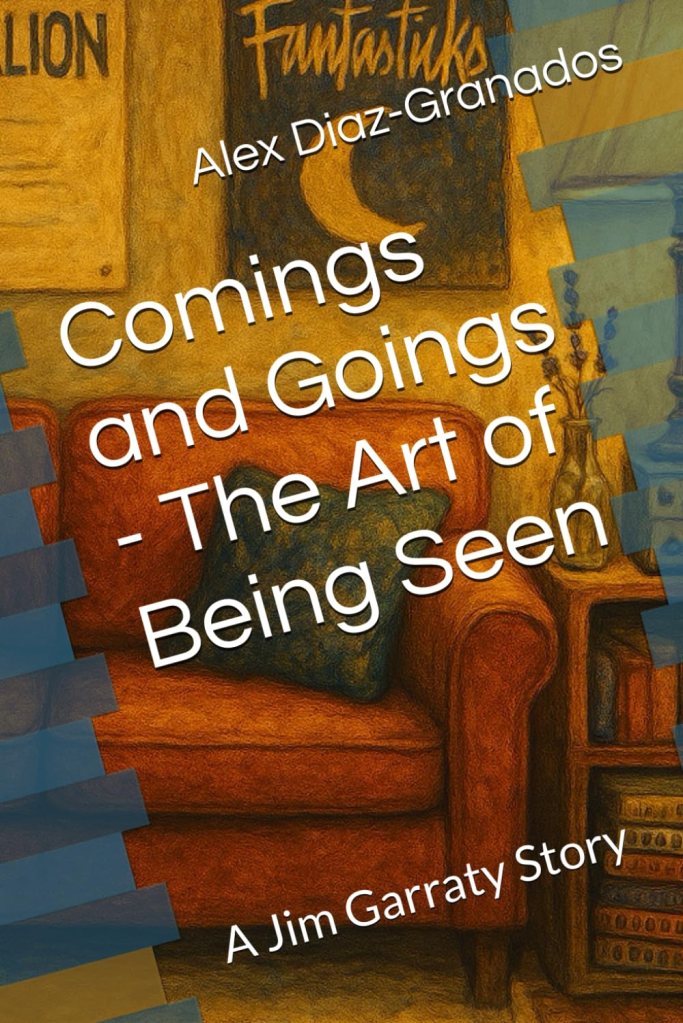
— From Comings and Goings – The Art of Being Seen —
We woke slowly, still wrapped in each other’s arms, the light pale and diffuse against the bedroom wall.
Kelly blinked, smiled faintly, and touched her forehead to mine before slipping out from under the sheets.
We didn’t say much. Not about the night. Not about what it meant.
She kissed me one more time before we left. Soft. Warm. Like punctuation—something between a semicolon and an ellipsis.
She offered to drive me home in her Corolla. The hum of the engine filled the quiet spaces we didn’t rush to fill.
I watched the streets slip by, thinking about the way she’d looked in the moonlight, the way her hand had brushed mine even as we drifted toward sleep.
Outside my building in Somerville, I hesitated with my hand on the door.
“Will I see you again?”
Kelly gave me a small, complicated smile—affectionate, but already leaning toward memory.
“Maybe,” she said. “We’ll see.”
No promises. Just the truth, wrapped in kindness.
I stood at the curb long after she drove away, then climbed the stairs to my apartment, let myself back into the stillness.
 A Certain Point of View, Too
You must be logged in to post a comment.