🧼 Toothpaste, Jeans, and the Politics of Manufactured Outrage
“If you made toothpaste illegal, people would be knocking over drugstores to get it.”
– Daniel Okrent, Prohibition, a Film by Ken Burns
That quote has stuck with me for years. It’s a wry observation about human nature and the unintended consequences of moral crusades. Ban something—even something mundane—and suddenly it becomes desirable, dangerous, and worth stealing. It’s not just about toothpaste. It’s about control.
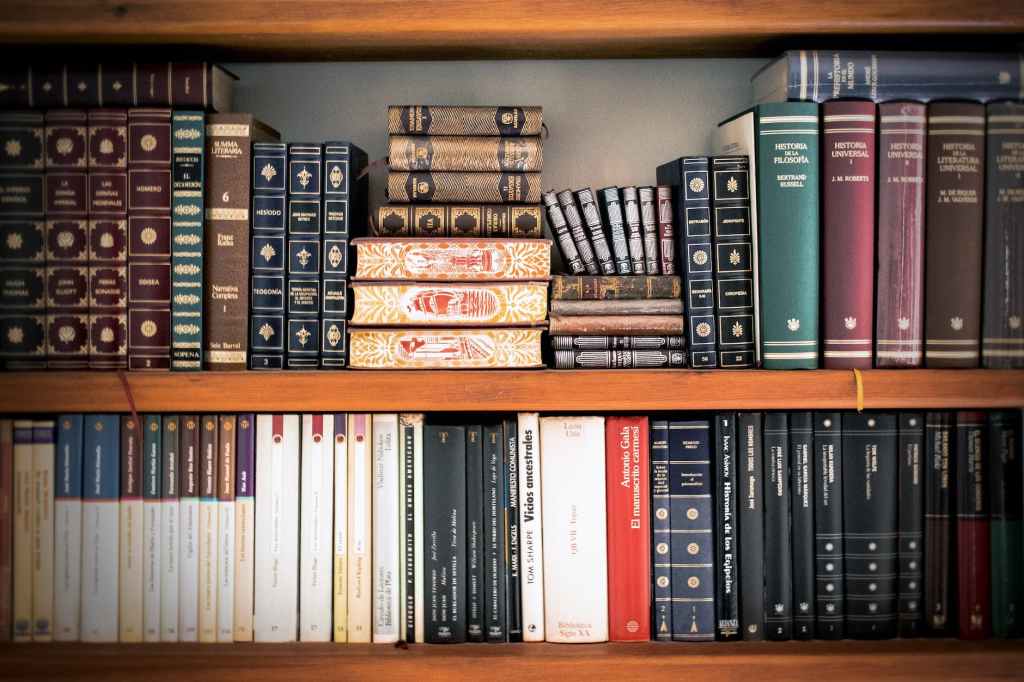
As a writer, journalist, and advocate of free speech, I’ve watched with growing concern as groups like Moms for Liberty and other right-wing organizations attempt to sanitize school libraries—not by removing erotica (which, let’s be honest, was never there), but by targeting books that challenge their worldview. To Kill a Mockingbird. The Kite Runner. The Catcher in the Rye. I Know Why the Caged Bird Sings. Even The Diary of Anne Frank.
Let that sink in.
If a parent doesn’t want their child to read Anne Frank, that’s a conversation between parent and child. But when political groups try to dictate what other people’s children can read, we’ve crossed into authoritarian territory. This is a hill I’ll die on.
📚 Literature is not dangerous. Ignorance is.
Meanwhile, the same pundits who champion these bans are often the first to defend provocative ad campaigns like the recent American Eagle jeans spot featuring Sydney Sweeney. The ad—playfully punning on “good genes”—showed the actress looking, shall we say, “smoking hot.” Cue the faux outrage: conservatives claimed liberals were furious, even though most of the criticism came from nuanced discussions about racial undertones and cultural messaging.
So let me get this straight:
- Sexy jeans ad? Totally fine.
- A book about racial injustice or historical trauma? Too dangerous for teens.
This isn’t about protecting children. It’s about controlling narratives. It’s about fear—fear of discomfort, fear of complexity, fear of empathy.
And here’s the truth: teens will find a way to read or see adult material if they’re curious enough. We live in a culture that’s both puritanical and hypersexualized, where we clutch our pearls over literary realism while streaming shows that make Catcher in the Rye look like a bedtime story.
🇪🇺 Europe handles this better.
In many European countries, sex education and media exposure are approached with nuance and maturity. There’s less moral panic, more trust in young people’s ability to engage critically. It’s not perfect, but it’s far less schizophrenic than the American approach.
As a writer, I believe in the emotional architecture of storytelling. I believe in discomfort as a gateway to empathy. I believe that banning books doesn’t protect children—it impoverishes them.
So yes, I’ll defend the right to read. I’ll defend the messy, beautiful, painful truths that literature offers. And I’ll keep quoting Daniel Okrent, because if we keep banning toothpaste, don’t be surprised when the drugstores start getting robbed.
 A Certain Point of View, Too