Friday, February 27, 2026, Orlando, Florida
Above all else, I consider myself a storyteller.
To be specific, I’m a writer with deep roots in journalism and media criticism, and I’ve dabbled in poetry, screenwriting, and literary fiction. My journey down this winding path began way back in the early 1970s—picture a kid at Tropical Elementary School in Miami, head full of dreams and hands full of scribbled pages. And I intend to keep wandering this road for as long as I’ve got stories to tell.


That means I wear a lot of hats:
- Wordsmith extraordinaire
- Novelist (sometimes fueled by coffee, sometimes by pure stubbornness)
- Writer of short stories and novellas—because sometimes brevity is the soul of wit
- Screenwriter—aiming for the silver screen, or at least the glow of my laptop
- Occasional poet (on rainy days or when inspiration strikes)
- Honest reviewer—no sugarcoating, just straight talk
At the moment, I don’t have a literary agent or a contract with the publishing giants—Penguin Random House, Hachette, Simon & Schuster, Macmillan, or HarperCollins. Maybe someday I’ll conquer the tidal wave of anxiety that hits whenever I even think about sending out query letters or wrestling my manuscripts into the proper format. For now, I’m sticking to my independent author lane, self‑publishing my stories, and waiting for that magical day when I finally overcome my fear of rejection and dive into the world of “TradPub.” Until then, I’ll keep writing, dreaming, and hoping the world is ready for the stories I have yet to share.
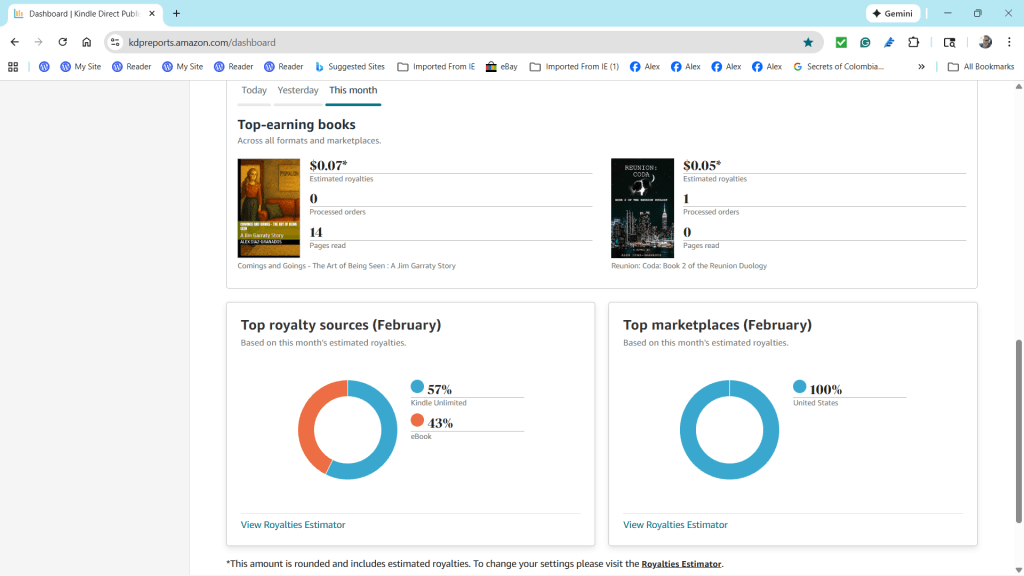
As an indie author, I understand the importance of the blogsphere and the need for a supportive group of friends—usually fellow writers, but also readers who understand the writer’s craft even though they may not be authors—to bounce ideas off and be emotionally buoyed by. I also understand the desire for feedback during the creative process before publishing, as well as the all‑important post‑publication phase of getting book reviews and “word of mouth” promotion to boost book sales and earn royalties. I have relied on these things myself with my three Jim Garraty stories—Reunion: A Story, Reunion: Coda, and Comings and Goings – The Art of Being Seen.

When Support Stops Being Support

A few days ago, I had an encounter with a fellow indie author that reminded me why “support” in the blogsphere can sometimes feel like walking through a funhouse mirror maze. Let’s call her Angela.
Angela had just self‑published her debut novel—a book she described with the breathless enthusiasm of someone who’d just discovered fire. Within hours of announcing it, she sent me a message: warm, friendly, and… oddly directive.
First came the cheerful nudge:
“Hey, friend! My book is live! I know you’ll grab a copy—can’t wait to read your glowing review!”
Then came the follow‑up.
And the follow‑up to the follow‑up.

Each one a little more insistent, a little more certain that my role in her creative journey was to buy the book, praise the book, and help her climb the Amazon charts—whether or not the book was ready for daylight.
What made it stranger was that she had also asked for feedback on her novel. I gave her exactly what she said she wanted: an honest, respectful critique grounded in craft. I pointed out strengths, flagged issues, and offered suggestions—the same kind of feedback I’ve relied on for decades.
And then? Silence.
Not a thank you. Not a question. Not even a “I’ll think about it.”
But the sales‑and‑review reminders kept coming, as if honesty were optional but praise was mandatory.
Out of curiosity, I headed over to Amazon and searched for Angela’s book. It already boasted more than ten reviews, nearly all of them awarding five stars. There was a solitary four‑star and a lone three‑star in the mix, presumably to lend balance, but the overall trend was clear.
What struck me most was that every review seemed to lavish praise on Angela’s novel, glossing over any substantive critique of the writing. The issues I’d flagged—whether pacing, characterization, or prose—were nowhere to be found. It felt as if the reviewers were more interested in bolstering Angela’s confidence than offering honest feedback.
It was a small moment, but it crystallized something I’ve seen too often: the expectation that fellow writers should act as cheerleaders, not colleagues. That we should trade five‑star reviews like baseball cards. That “support” means applause, not growth.
Where I Stand
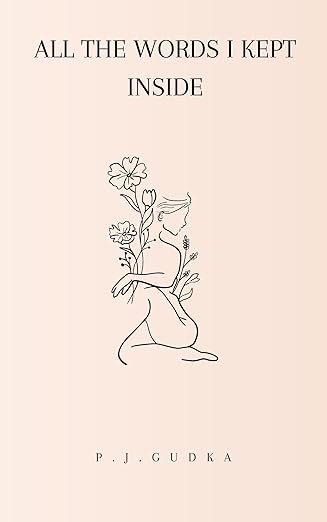
This is a book I was thrilled to read and review…because it was well-written and carefully edited and presented.
I love supporting indie authors. I’ve bought their books, reviewed them, shared their posts, and cheered their milestones. I’ll keep doing that—gladly—for anyone who wants genuine engagement and honest feedback.
But I will not be part of a mutual admiration society where every book is “amazing,” every draft is “perfect,” and every writer is “ready for prime time” simply because they hit “Publish.” That doesn’t help readers, and it certainly doesn’t help writers grow.
If you want an honest review, I’m your guy.
If you want a five‑star hug regardless of the work on the page, I’m not your audience.
Writing is hard. Publishing is brave. But growth only happens when we tell each other the truth—kindly, respectfully, and without the expectation of applause.
 A Certain Point of View, Too
Comments
8 responses to “On Writing and Storytelling: Choosing Craft Over Coddling”
Thank you so much for sharing my book, it means a lot to me. And I always prefer an honest review, that’s why we write.
LikeLiked by 1 person
I highlighted your book, Pooj, because it earned its positive reviews honestly. It’s worth buying….and reading.
I think that writing five-star reviews for content that doesn’t merit such high marks is deceitful for both the author who wants reviews and the readers. Coddling bad writers (and trust me, “Angela” is not a good writer) harms them by leading them to think they’re better than they are. How can a writer learn to improve his or her work if everyone is praising them without critiquing the work? That doesn’t encourage anyone to work harder and improve their skills…it just boosts the author’s ego. That results in more bad self-published books out there…tarnishing the good writers as well as the not-so-good ones, and reinforcing the idea that self-published books = shitty books.
The other victims of “praise circle” reviews are readers. The book I was asked to read a sample of, purchase, and review isn’t cheap: the paperback edition is $14.99 for a 255-page narrative. The price is fair, but the writing? Not worth $14.99 – or $4.99 for the Kindle edition. Honest reviews would (a) teach the writer to try harder to write better, and (b) inform readers well enough so they do not buy books that are not ready to be placed on a TBR stack.
LikeLiked by 1 person
Thanks so much. I agree, I’ve read some books published by trad publishers that are hurriedly written and clearly written to be marketed and nothing more. I’ve also read some books by indie publishers that are actually very well written and you can tell they put hard work into it.
LikeLiked by 1 person
I agree that there are quality issues on both sides of the publishing aisle.
My discomfort, though, isn’t so much about the bad books. It’s about the reviewers (especially in the blogsphere) who give those bad books glowing praise that they know is undeserved, but they still award five stars (sometimes four) because they’re “friends” of the author on WordPress. (It’s easy to detect these reviews, too. They’ll focus primarily on the themes and emotional subtexts but not the craft, or they’ll be short and vague – “Excellent book! I could not put it down.”)
That’s not ethical or helpful reviewing. It’s a mix of intellectual dishonesty, laziness and calculated self-interest, cos most of the time the “reviewers” are also indie authors who need positive reviews to boost their book sales.
LikeLiked by 1 person
Yeah, definitely unethical. The fact that you can hire reviewers and pay them for a positive review these days sucks.
LikeLiked by 1 person
Paid reviewers are, of course, another factor, but I’m also referring to the “praise circle” phenomenon – bloggers who form a tight-knit group and “support” members, especially ones who can’t write well at all by awarding them with glowing reviews (four stars or more, usually) to demonstrably poorly-written books, while never giving them constructive criticism.
I come from a journalism background. I started my public writing career as a high school entertainment writer, so I was taught not only the technical aspects of writing reviews, but also the ethical ones. So, for me, “praise circles” and those who participate in them are as unethical as people who write paid reviews.
LikeLiked by 1 person
Oh for sure agree with that. And btw I totally get the Angela situation because I was in it myself. I’ll actually email you about my experience.
I don’t mind paid reviews as long as they’re honest, which I know often aren’t due to the payment. I’ve seen a lot of the “praise circles” too and they’re definitely not actually helping authors because as a writer it’s important to better your writing skills and only honest feedback can do that.
LikeLiked by 1 person
Honest reviews = Good.
Praise Circle reviews = Bad.
LikeLiked by 1 person