
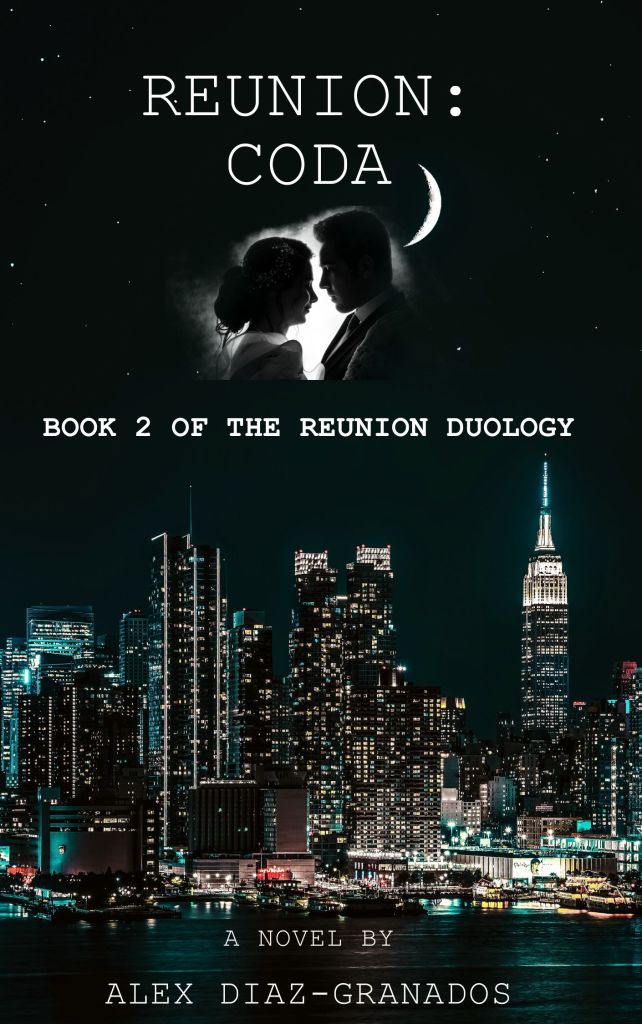
Late Afternoon/Early Evening, Thursday, August 1, 2024, Madison, New Hampshire
“Raging fires grow from the tiniest spark; it is the same principle at work in life. As long as there’s a spark, tend to your fire. Never give up. ”― Richelle E. Goodrich, Making Wishes: Quotes, Thoughts, & a Little Poetry for Every Day of the Year
Hey everyone, I just wanted to drop a quick note to share the exciting progress I made today on Reunion: Coda!

In my previous post, I mentioned that I wrote an outline for the fourth scene of Reunion: Coda’s 19th chapter (The Storm Breaks) last night, and I also managed to create a rough draft of the actual scene. Although the scene wasn’t polished, it did have a clear beginning, middle, and end, and it covered all the plot points I had outlined. Today, my goal was to refine it during the editing process to ensure that it fits well with the rest of the novel.
I’m happy to say that despite a slow start to my workday, this afternoon I was able to review Scene Four and make the necessary revisions to improve its readability. The scene is short at 626 words, but it flows smoothly, strikes a good balance between external dialogue and internal thoughts, and effectively conveys the challenges Jim faces as he tries to juggle his duties as a history professor at Columbia University with his personal life, particularly his evolving relationship with Maddie.
Mission accomplished.
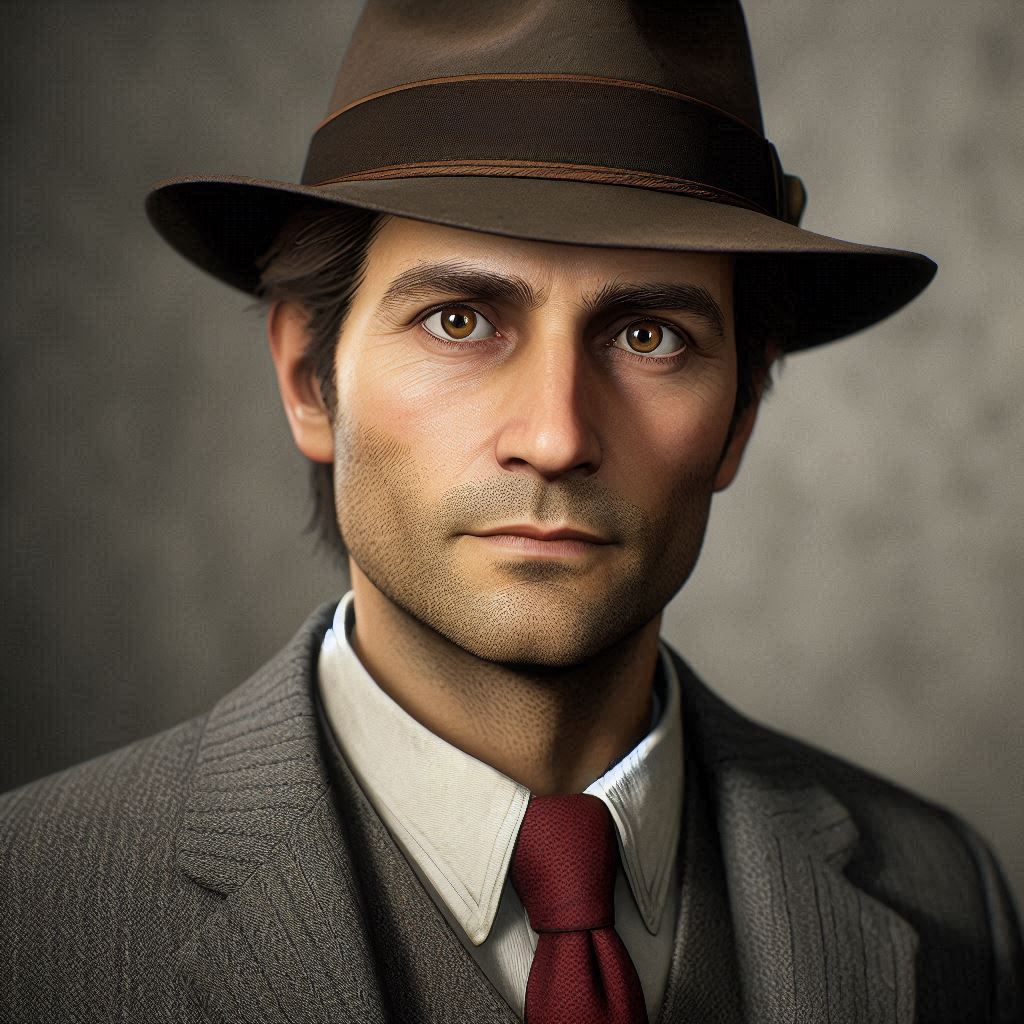
Chalk Dust and Doubts
Columbia University, Fayerweather 301M, March 17, 2000, 4:45 PM
The chalkboard behind me is a battlefield of dates and names, the remnants of a war long past but never forgotten. “And so,” I continue, my voice steady despite the turmoil within, “General Douglas MacArthur, ever the strategist, knew the value of Soviet involvement in the Pacific. Yet, postwar, he’d claim his opposition to it, a political maneuver as transparent as it was self-serving.”
The students scribble notes, but it’s Nelson Sendon who catches my eye. He sits straighter than the rest, his gaze fixed on me with an intensity that’s both flattering and a little unnerving. A dog-eared copy of my first book, Triumph in the Pacific, lies beside his notebook, a silent testament to his admiration.
“As historians,” I press on, “we must look beyond the veneer of public statements, to the actions and private correspondences that reveal true intent.” I pause, my gaze inadvertently landing on Miguel Hernandez’s now-empty seat. A shadow passes over me, but I push through. “Remember, history is not just about what is remembered, but also what is forgotten, intentionally or otherwise.”
The room is silent, save for the scratch of pens and the distant rumble of the city. “Any questions before we wrap up?” I ask, my voice a touch softer, inviting inquiry.
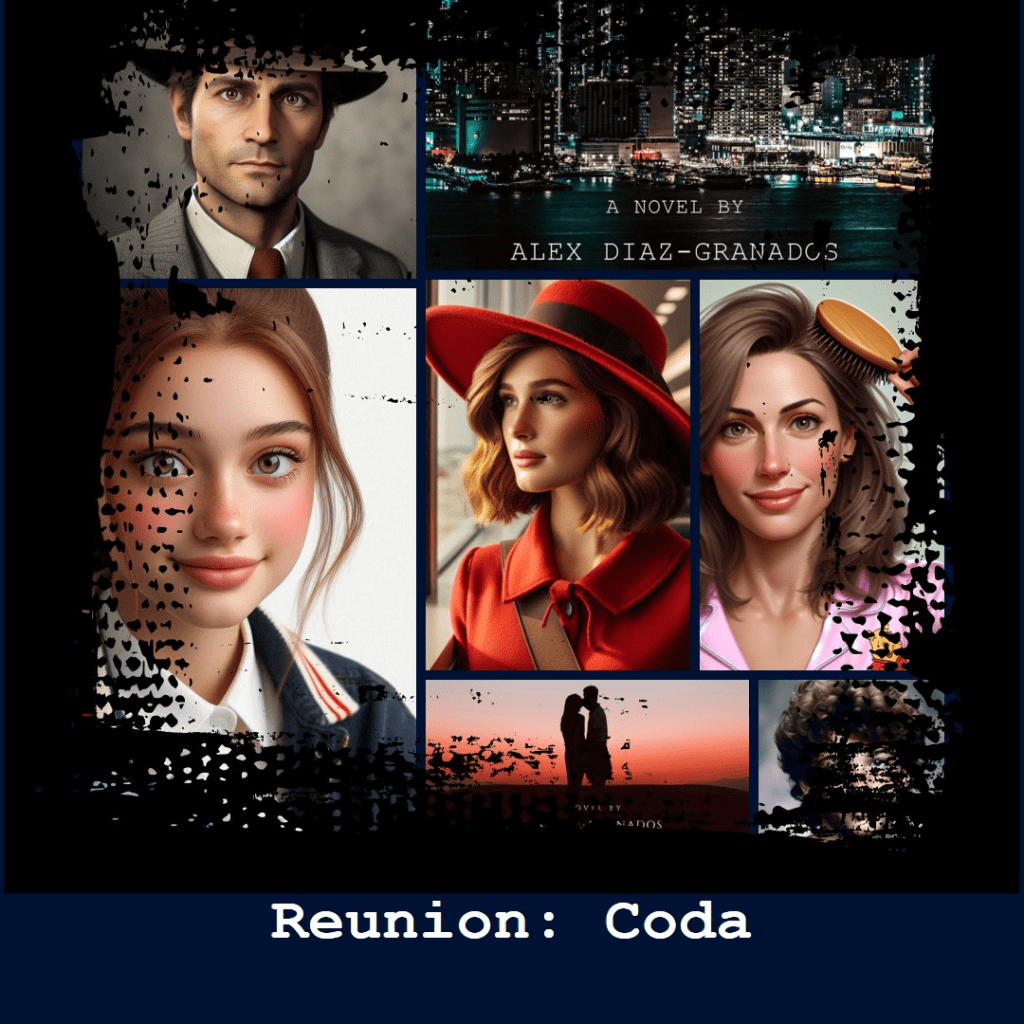
Diana DeWitt speaks up first, her question about MacArthur’s political ambitions sharp and insightful. But it’s Nelson Sendon’s hand that shoots up next, his eagerness palpable. “Professor, do you think MacArthur’s actions were justified, given the context of the times?”
I muster a smile, feeling the weight of the day. “A complex question, Nelson. Justification can be a slippery slope. What’s justified to one may be opportunism to another. Context is key, and that’s what your term papers should reflect.”

 A Certain Point of View, Too
You must be logged in to post a comment.