Mid-Afternoon, Tuesday, August 20, 2024, Madison, New Hampshire

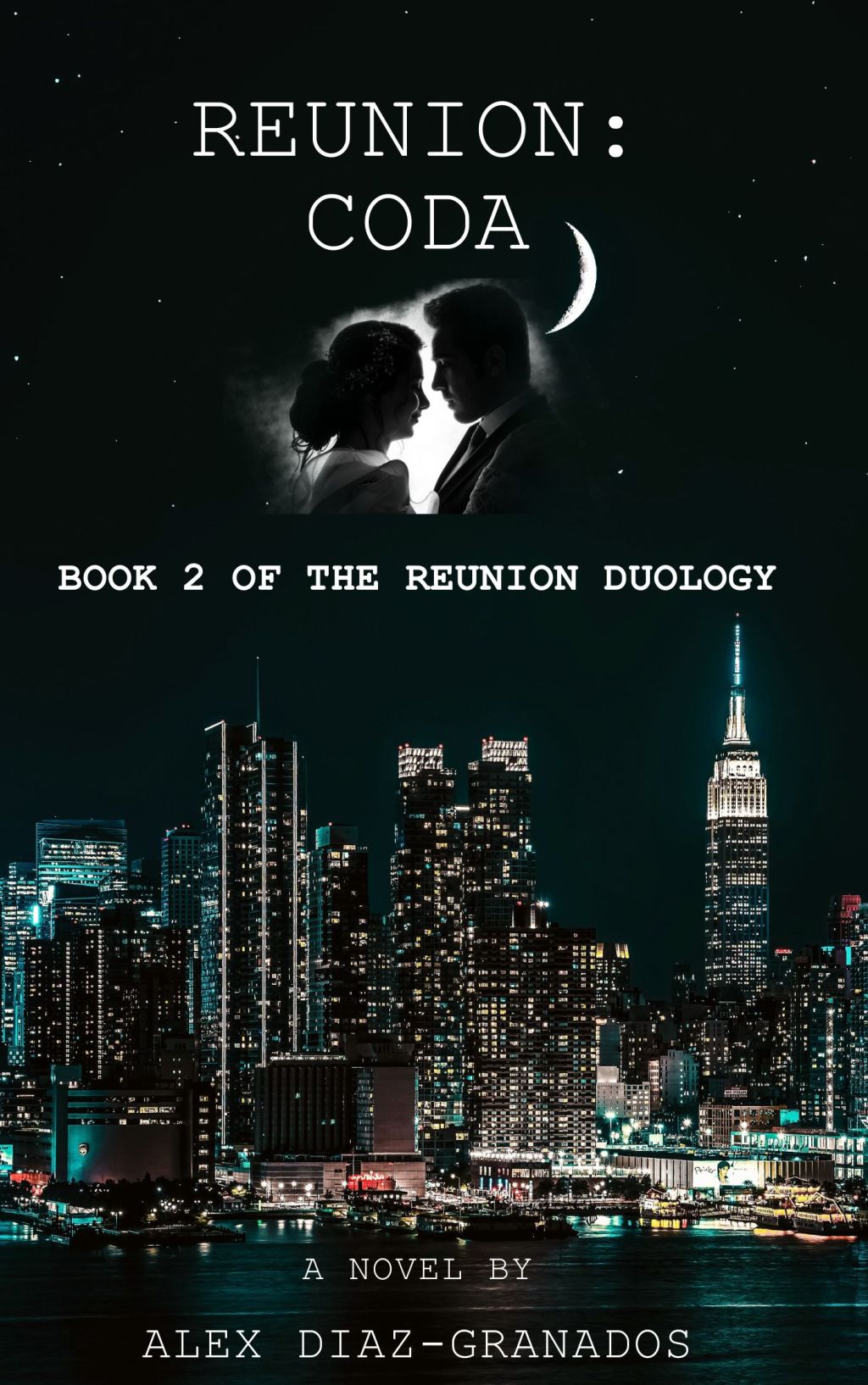
I found myself awake before the clock struck five this morning. Despite my efforts to drift back to sleep, anxieties about my impending move to Miami kept gnawing at me. Exhaustion has hit me hard, leaving me struggling to concentrate on penning the new chapters of my novel, Reunion: Coda. I earnestly attempted to flesh out a vignette for Chapter 19, Scene Five, but my mind stubbornly refused to cooperate.
Determined to make some progress, I opened up that how-to book for romance writers, thinking perhaps a simple writing exercise might kickstart my creativity – even though, trust me, Reunion: Coda is far from being labeled “just another fluffy romance.” Yet, even tackling a simple exercise seemed beyond my reach at the moment.
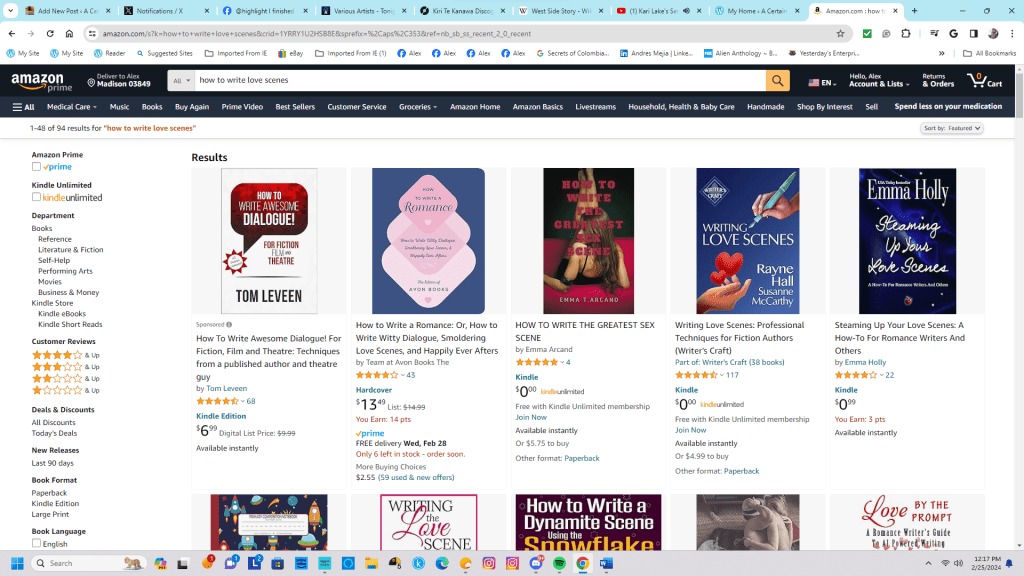
Meanwhile, I did stumble upon a prompt in How to Write a Romance that dovetails perfectly with a vignette I drafted over a month ago: “Write a conflict scene between the main character and the villain.” Although Miguel Hernandez isn’t your typical Avon or Harlequin-style villain, he still stands as a formidable adversary to Jim Garraty.
A Clash of Convictions
Prof. James K. Garraty’s Office, Columbia University, Fayerweather Hall, March 15, 2000, 6 PM

The day’s waning light casts long shadows across the stacks of papers on my desk. I’ve been here for hours, wrestling with the knowledge that not every student will grasp the lessons I pour my heart into. Some, despite my best efforts, will falter and fail. It’s a part of the job I’ve never grown to love.
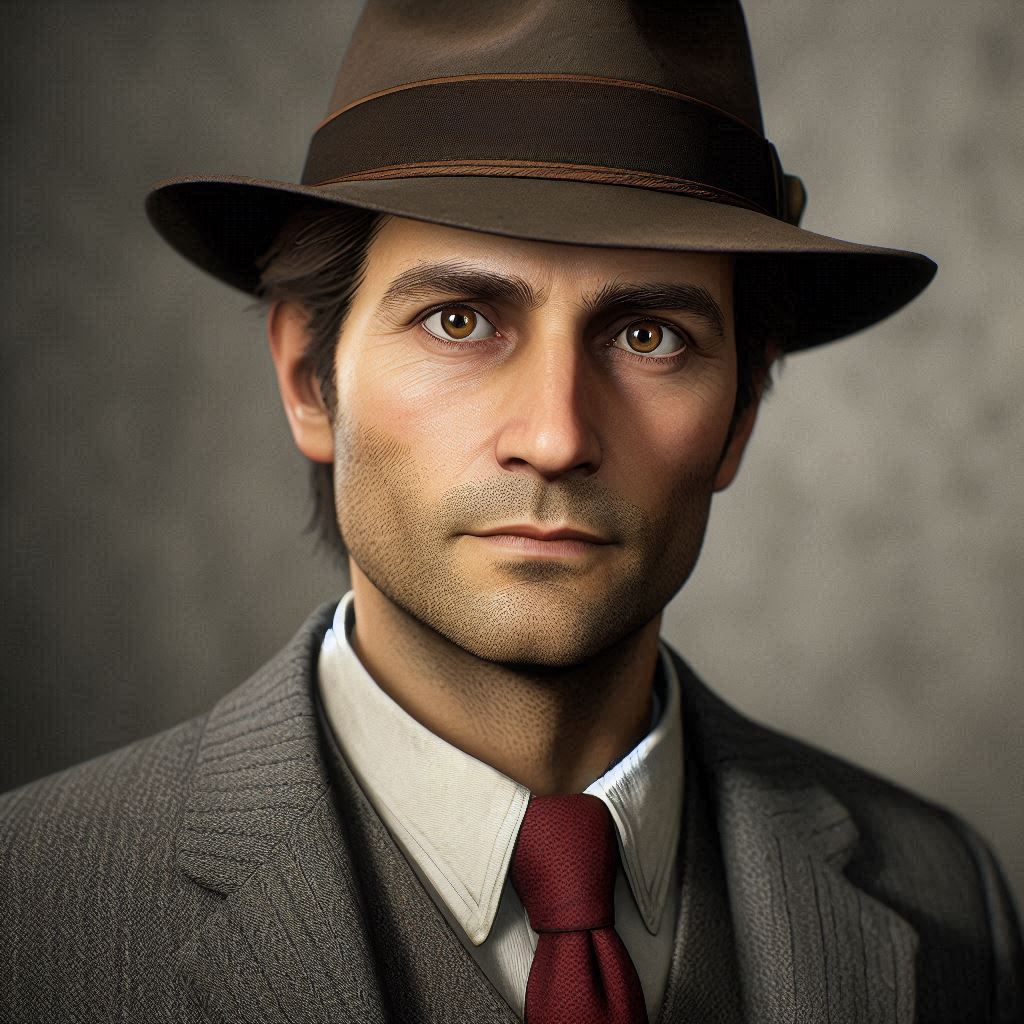
I adjust my necktie, its knot a reflection of my pensive mood, and slip into my suit jacket. My fedora settles atop my head, adding a final touch to my ensemble and my day’s musings. Maddie’s smile remains etched in my thoughts, a comforting glow amidst the evening’s pragmatism, which nudges me about the breakfast tray I’ve yet to purchase. The question arises: should I call her? Three days have passed—three long days since our last encounter. I resolve to call her, but only once I’m back in the seclusion of my apartment. After all, the intimacy of a phone call warrants a space away from prying eyes and ears.

I rise from my office chair, my limbs weary from hours of grading papers and scrutinizing midterm exams. Leaving behind the stacks of marked assignments, I step into the quiet corridor. My footsteps echo, a solitary rhythm, until they’re interrupted by the sharp cadence of raised voices. Pausing at Nicole’s office, I note the brass plaque: “Nicole Boisvert, Associate Professor,” before the discordant sounds draw my attention.
Nicole’s voice, usually the epitome of composure, strains against Miguel Hernandez’s impassioned argument through the slightly ajar door. “Miguel, history isn’t simply black and white. There are shades of gray that demand our attention.”
“But Professor Boisvert,” Miguel counters with a blend of respect and stubbornness, “the threat was palpable. The measures, albeit severe, were imperative. You can’t overlook that.” He leans in, eyes alight with fervor. “Consider the Cuban missile crisis, the Berlin blockade, the Korean War. The U.S. had to confront the Soviet threat, or the world might have succumbed to despotism.”
Nicole shakes her head, her expression calm but weary. “I don’t deny that the Soviet Union posed a challenge, Miguel. But the U.S. also made mistakes, sometimes grave ones, that harmed innocent people and undermined democracy. What about the CIA-backed coups in Iran and Guatemala? The support for brutal dictators like Pinochet and Mobutu? The bombing of Cambodia and Laos? Miguel, the U.S. was not always the champion of freedom. Sometimes it was the oppressor.”
The argument escalates, words sharpened to points. “Your own biases blind you!” Miguel shouts angrily, his politeness crumbling. “You’re defending the indefensible!”
Nicole’s response is a sigh, a breeze of reason in the storm. “It’s not about defense, Miguel. It’s about understanding the whole picture, not just the parts that fit your narrative.”

I can’t just listen anymore. As a friend, as a colleague, I have to step in. I push the door open, stepping into the fray. “Miguel, this isn’t the way,” I say, my voice steady but firm.
He whirls around, surprise flashing in his eyes. In his hand, a large soft drink cup full of Sprite, the ice cubes clinking against the sides, its contents sloshing precariously. “You don’t get it either, Professor Garraty! They were all traitors, and they got what they deserved!”
“History is not a weapon, Miguel,” I reply, the memories of Nicole and I, our brief but intense romance, fueling my protective instinct. “It’s a lens through which we seek understanding, not a shield to justify prejudice.”
But it’s too late. In a flash of anger, Miguel upends the cup, and a cascade of Sprite and ice cubes rains down on Nicole. She stands, drenched and shocked.
I reach for the phone on Nicole’s office desk, its weight familiar in my hand as I dial the number for Columbia University’s Department of Public Safety. The line connects with a click, and a calm voice answers on the other end.
“University Security, this is Jim Garraty from the History Department. We’ve had an incident here in Fayerweather Hall—”

Miguel’s eyes widen, the realization of the consequences hitting him. He doesn’t wait to hear more; he bolts, the door slamming shut behind him with a force that seems to echo the turmoil he leaves in his wake.
“—involving a student, Miguel Hernandez,” I continue, ensuring they have the details they need. “He… he threw a drink at Professor Nicole Boisvert.”
The voice on the line is steady, professional. “Is anyone injured, Professor Garraty?”
“No, no injuries, but Professor Boisvert is understandably shaken,” I reply, turning to Nicole, who is trying to wipe the sticky liquid from her clothes.
“We’re dispatching officers to your location now. Can you and Professor Boisvert stay put until we arrive?”
“Yes, we’ll be here,” I confirm, before hanging up.
Turning to Nicole, I offer a supportive hand. “Are you going to be okay?” I ask, concern etched in my voice.
Nicole conjures a feeble smile, the sticky sweetness of Sprite soaking her blouse, as she gingerly lifts the damp fabric from her skin. “I’ll survive,” she quips, “though this isn’t quite the splash I had in mind for today. Let’s hope I don’t end up as Page Three material in The Sun, right?”
Her attempt at humor, despite the situation, is classic Nicole—resilient, ever the professional, yet not above a quip to lighten the mood. It’s one of the many things I’ve always admired about her.
Noticing the shiver that courses through her, I quickly shrug off my suit jacket and drape it over her shoulders. “Here, this should help against the chill,” I say, my voice soft but firm.
Nick looks up at me, the corners of her mouth lifting in a wry smile. “Always the gentleman, Jim,” she remarks, her tone laced with warmth and a hint of nostalgia. “Some things never change.”
I chuckle, the sound mingling with the remnants of tension in the air. “I think you’re safe from the tabloids here. Security will be here shortly, and they’ll want to take our statements,” I assure her, my gaze lingering on the door through which Miguel disappeared. “Once they arrive, I’ll explain the situation and see if they can escort you to the staff lounge for a spare shirt.”

As we wait, the gravity of what just transpired hangs over us, but so does the unspoken acknowledgment of our shared history—a bond that, while no longer romantic, still holds a measure of care and respect.
The dampness on Nicole’s blouse is a stark testament to the storm that’s just begun, and the chilling silence left in Miguel’s wake is a foreboding sign of the storm yet to come.
 A Certain Point of View, Too
You must be logged in to post a comment.