

Late Morning, Saturday, November 16, 2024, Miami, Florida

It’s a gorgeous, if rather warm, autumn day in the subtropical zone. The current temperature is 78°F (25°C) under sunny conditions. With humidity at 58% and a north-northeasterly breeze blowing at 7 MPH (11 Km/H), the heat index is 86°F (30°C). The forecast for today calls for partly sunny skies and a high of 81°F (27°C).
I seem to be in a writing slump lately, at least where Reunion: Coda is concerned. I don’t know if it’s move-related stress, my new living environment, mental weariness, or the fact that I’m not going to finish the novel by December 1, but starting Chapter 21 has proved to be difficult. Yesterday, for instance, I couldn’t even figure out how to present the start of Scene 1, much less write the darned thing outright. I sat at my desk for two hours trying to will a starting sentence out of the ether, but all I managed to do was give myself a case of eyestrain by staring at the blinking cursor on Microsoft Word.
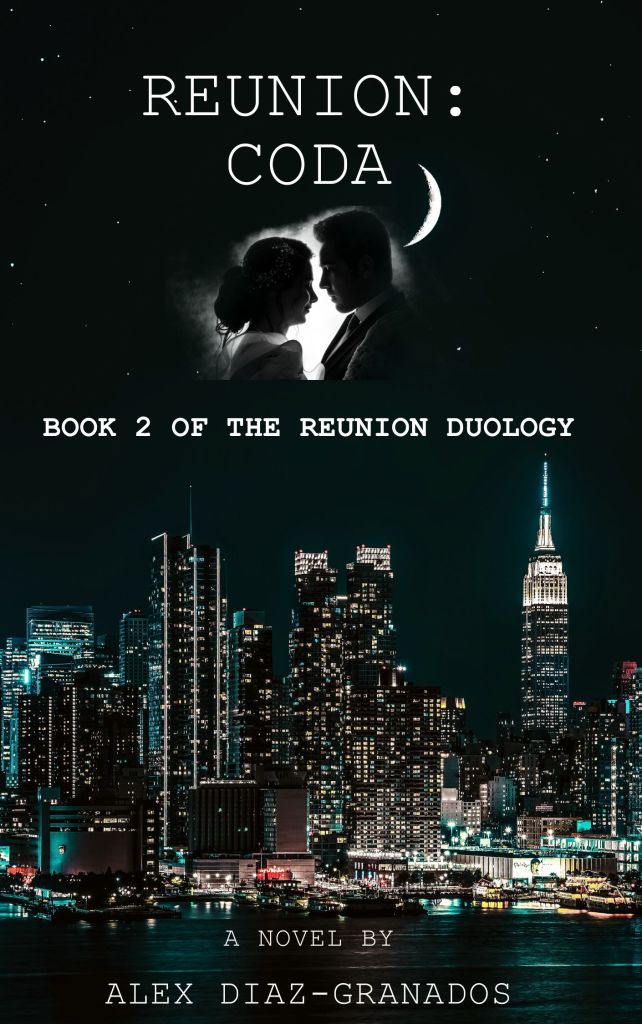
By 4 PM, I decided to call it a day with the novel. Not exactly a decision that will win me any productivity awards, but hey, you win some, you lose some. Forcing words out of my subconscious and onto the page – or, in my case, the computer screen – is often counterproductive. I’m more creative and productive when I’m relaxed and calm, so it’s fair to say that these states of mind were elusive yesterday. Besides, staring at a blinking cursor for hours does wonders for one’s existential crisis but absolutely nothing for actual word count.
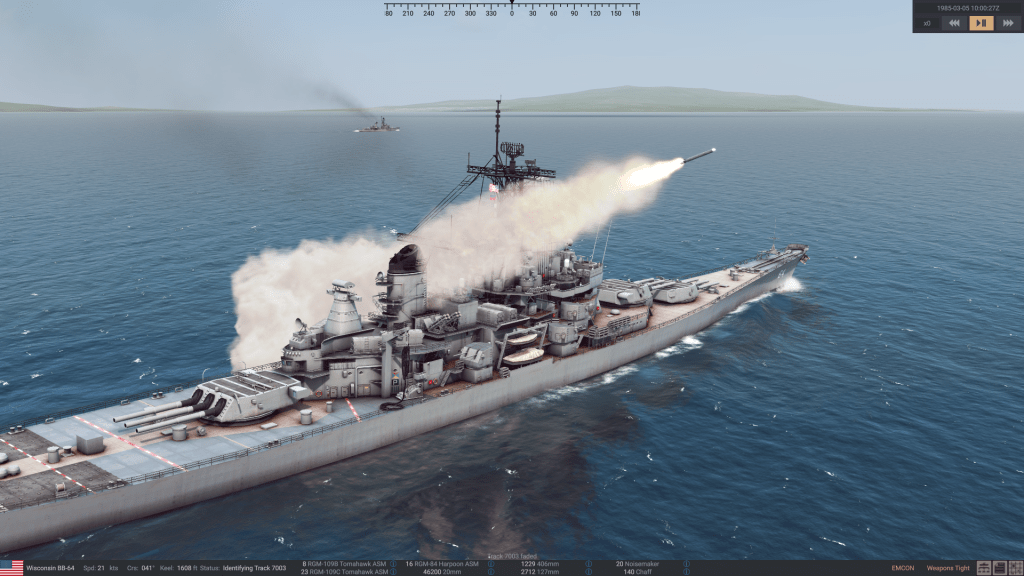
However, all was not quiet on the writing front; I wrote a post about my first attempts to play Sea Power: Naval Combat in the Missile Age, a new naval warfare sim developed by Triassic Games and published by MicroProse. I had wanted this game since it was first announced back in 2020, and I bought it on Steam when it was released on Tuesday in “early access.” I sang its praises in a post illustrated with screenshots I took while I played one scenario – Dong Hoi – several times between Tuesday and Thursday.
That was during the morning-to-midday shift. Later, when it became crystal clear that I wasn’t going to add any new words to the Reunion: Coda manuscript, I wrote a second blog post based on this observation I’d made earlier on my Facebook timeline: While many of my peers—born in the early to mid-1960s and who came of age in the early 1980s—prefer rock, salsa, or (ugh) disco, I tend to favor older genres. I’m not sure why, but that’s how I’m wired.
That blog post is light on text but heavy on music videos I embedded from YouTube. Some of the videos feature classical music compositions, but most are either songs from The Great American Songbook or hits from the Big Band era. There’s even a doo-wop cover of Jerome Kern and Dorothy Fields’ “Smoke Gets in Your Eyes,” so there’s at least one concession to early rock ‘n’ roll, but it’s also a Great American Songbook number.
So even though I didn’t make any progress with my novel, I still got some writing in on the last day of my workweek. I don’t plan to turn my Saturday into a “make up the lost time” workday. Perhaps I would if I were tantalizingly close to finishing Reunion: Coda and had the mental energy to “drive the final spike,” but even though I sense that I’m only a few chapters away from “The End,” there are still a few plot strands that need to be woven together before I can triumphantly declare, “I finished the damn book!” I know what the loose ends are—of course I do!—and I have a vague yet promising idea of how to resolve them.

I’m not an experienced novelist; Reunion: Coda is my first successful attempt to write something longer than a novella because it’s not an “abandoned project” like my previous efforts to do so. But even though I am a “noob” at this literary form, I know enough about writing long stories and understand that I must avoid the temptation to make a final dash to finish the novel.
Rushing the last section of a novel can be disastrous. Writers need to be careful because the ending is what leaves a lasting impression on the reader. A botched ending can undo all the hard work put into the story, leaving readers disappointed and unsatisfied. It’s crucial to ensure that all plot strands are woven together seamlessly, and that the resolution feels earned and organic. Taking the time to thoughtfully craft the conclusion can elevate the entire narrative, making it memorable and impactful. So, as much as I want to shout, “I finished the damn book!” I know it’s essential to proceed with care and precision.
 A Certain Point of View, Too
Comments
2 responses to “On Writing and Storytelling: The Curse of the Blinking Cursor Strikes Again!”
I think the brain gets overloaded and needs a rest sometimes.
LikeLiked by 1 person
True, Dawn.
Plus, the past five months have been tough on my psyche. The move back to Miami (and the related stress) didn’t help my novel-writing aspirations much.
LikeLike