Adapting stories from one medium to another is a tricky proposition, especially when you choose to make a movie or TV “limited series” based on a beloved book, novella, or short story. Even when a film adaptation, like The Hunt for Red October, hits it big at the box office, you’ll often hear, “Yeah, but the book was way better.”
This is why screenwriters should steer clear of beat-for-beat adaptations of literary works. Bringing a story from page to screen requires a dash of creative freedom to capture the essence and magic of the original, while also making it visually captivating. Unlike books, which can meander through detailed descriptions and take their time, films and TV series are bound by runtime and budget constraints. Every scene, every frame, must pack a punch, and there simply isn’t always space to explore every subplot or character quirk from the source material.
Moreover, pacing is crucial in visual storytelling. The rich details and internal monologues that can enchant readers over hours might slow down the momentum of a film or series. Screenwriters must trim and sometimes reimagine elements to keep the narrative brisk and engaging. This might mean blending characters, tweaking timelines, or inventing new scenes – all in crafting a story that sparkles on screen and does justice to the original work.
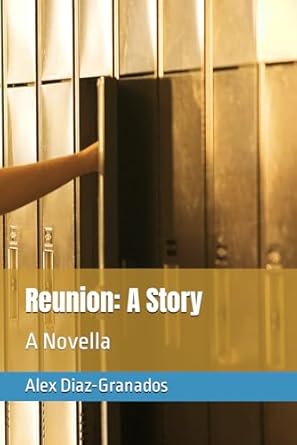
I sometimes dream of seeing my Reunion Duology adapted into film, though I’m well aware it’s more likely I’ll be struck by lightning or win the Florida Lottery first. I’ve even entertained the idea of adapting the novella into a screenplay just for my enjoyment. Despite Reunion: A Story being relatively simple, its setting in the Present Day of 1998 and June of 1983 in New York and Miami makes it a “period piece.” The thought of the costs for casting, costume design, and shooting on location usually dampens any desire I have to adapt my work.
I don’t plan to write an entire screenplay based either on Reunion: A Story or Reunion: Coda, but this is how one of my favorite scenes from the first book might look in script format:
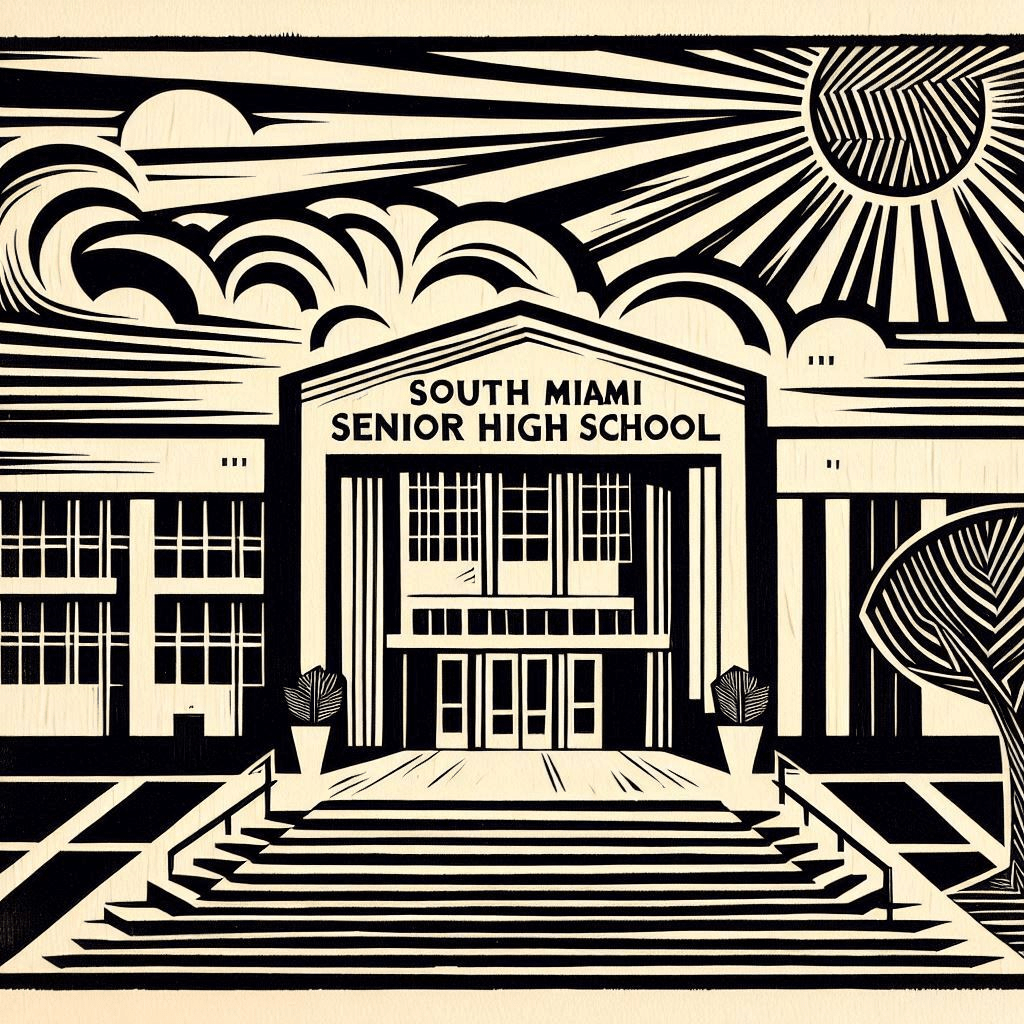
EXT. SOUTH MIAMI SENIOR HIGH SCHOOL – AFTERNOON
CUT TO:
INT. CHORUS PRACTICE ROOM – AFTERNOON
The chorus room feels like a deserted house. Metal music stands, songbooks, and piano scores are locked away in the storage closet. The black Kawai piano with the sticky C-note is covered with a protective canvas, resembling a shrouded corpse. JIM enters, looking at the empty space.

FLASHBACKS:
– MRS. QUINCY playing the piano with gusto.
– MRS. QUINCY correcting the chorus.
– Students trying to keep a straight face during a funny song.
JIM smiles wistfully, placing his backpack on the tiled floor.
MARTY (O.S.)
Hello, Jimmy.
JIM turns around slowly to see MARTINA REYNAUD, the girl with an enchanting English accent.
JIM
Hi, Marty.
MARTY rises from one of the few remaining chairs, giving him a shy half-smile.
MARTY
So, come to say goodbye, then?
JIM gazes at her, committing every detail to memory. She is shockingly, heartrendingly beautiful.
JIM
I couldn’t go without seeing you, you know.
MARTY
(smiling)
Oh, come on; I bet you say that to all the girls.
JIM
It’s true. And no, I don’t say that to all the girls.
MARTY
How did you do on your final?
JIM
Okay, I guess. How about you?
MARTY
Biology is not my cup of tea. I’ll be happy if I pass with a 75.
JIM
I’m sure you did better than that.
MARTY
We’ll see.
(sighs)
It’s hard to believe, isn’t it? That this part of our lives is over. Three years sure went fast, didn’t they?
JIM
Yes – yes, they did.
JIM slouches forward, feeling the weight of the moment.
MARTY
I’m sorry.
JIM
Huh?
MARTY
That we never got to perform that duet together. Don’t you remember? For the Spring Concert?
JIM
Oh, yeah. What was that song we were going to sing?
MARTY
(mock-pouting)
James Garraty, don’t tell me you forgot.
JIM
(smiling)
“Somewhere,” from West Side Story.
JIM hums the first measure, sounding a half-octave off-key.
MARTY
(disapprovingly)
You haven’t practiced lately.
JIM
No, I haven’t.
Waves of melancholy wash over JIM. MARTY places her arm around his shoulder comfortingly.
MARTY
I know how much you were looking forward to it, Jim. I was looking forward to singing that duet with you, too.
JIM
Really?
MARTY
Really. You’re a terrific singer. Who wouldn’t want to sing a duet with you?
JIM
I bet you say that to all the boys.
MARTY laughs. JIM remembers the letter in his jacket pocket. He pats his left side, feeling its weight and shape. He carefully pulls out the slightly creased envelope.
MARTY
What’s that?
JIM
This is for you.
MARTY reaches for the envelope, but JIM moves it out of reach.
MARTY
It is for me, isn’t it?
JIM
Yes, but I need you to promise me something.
MARTY
What?
JIM
Promise me you won’t open this until after the ceremony on Friday.
MARTY
Why?
JIM
Promise me.
MARTY
(sighs, nods)
All right, I promise.
JIM presses the envelope into her hand. The school bell rings, breaking the silence. Startled, MARTY removes her arm from JIM’s shoulder. JIM takes a small backward step.
JIM
(in best Harrison Ford voice)
This is it, sweetheart.
JIM picks up his backpack and turns to leave. MARTY tugs at his hand.

MARTY
You’re just going to leave without a kiss goodbye?
JIM
Well, I….
Before JIM can finish, MARTY wraps her arms around him and kisses him softly. JIM closes his eyes, returning the kiss, overwhelmed by a million sensations.
SONG LYRICS (V.O.)
Where time’s winds blow
That’s where you’ll be.
Where love’s fires glow
Your smile I’ll see.
Across the stars
Across the sea
Where time’s winds blow
Our hearts will be.
The wall clock ticks loudly. MARTY breaks off the kiss and caresses JIM’s cheek.
MARTY
I’m going to miss you.
JIM
I’m going to miss you, Marty.
Outside, students cheer as they run down the halls. Summer has arrived. Indecision washes over JIM.
JIM
(hesitantly)
Marty, I…
MARTY looks at her watch, then at JIM with an apologetic expression.
MARTY
My ride is waiting outside. I have to go.
JIM
Uh, okay.
MARTY picks up her purse, places the letter inside, and slings it over her shoulder.
MARTY
Take care of yourself, Jimmy. Knock ‘em dead at Harvard, okay?
JIM
I will.
JIM rubs his eyes, fighting back tears. MARTY smiles and walks out of the chorus practice room. JIM watches her leave, then stares sadly at the now-empty space.
JIM
(sighs)
Oh, well.
JIM straps on his backpack and slowly walks toward the door.
FADE OUT.

 A Certain Point of View, Too
You must be logged in to post a comment.