Mid-Morning, Monday, January 13, 2025, Miami, Florida
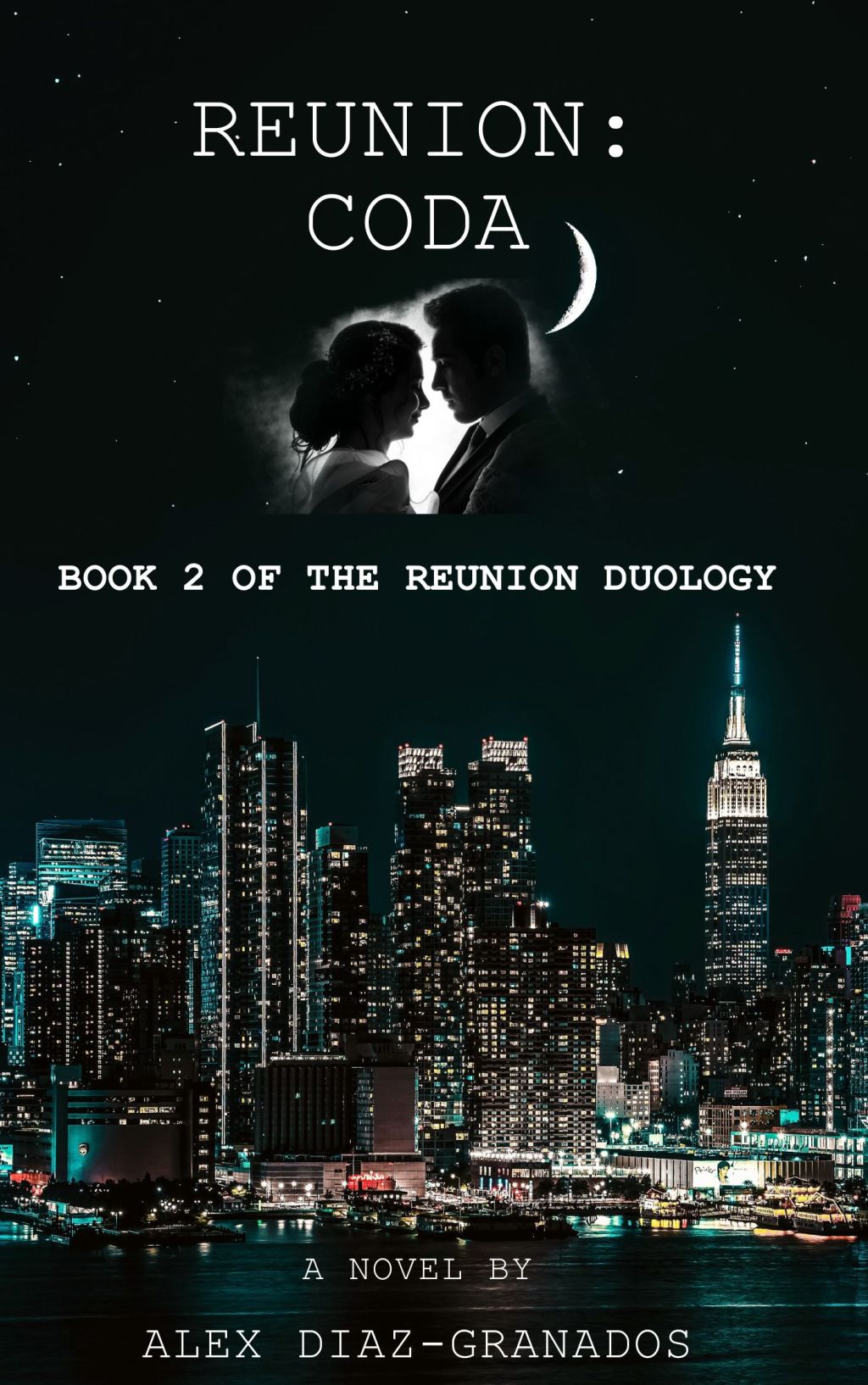
From Rest Day to Writer’s Grind: Perfecting ‘Reunion: Coda’ – Insights, Reviews, and Copyrighting

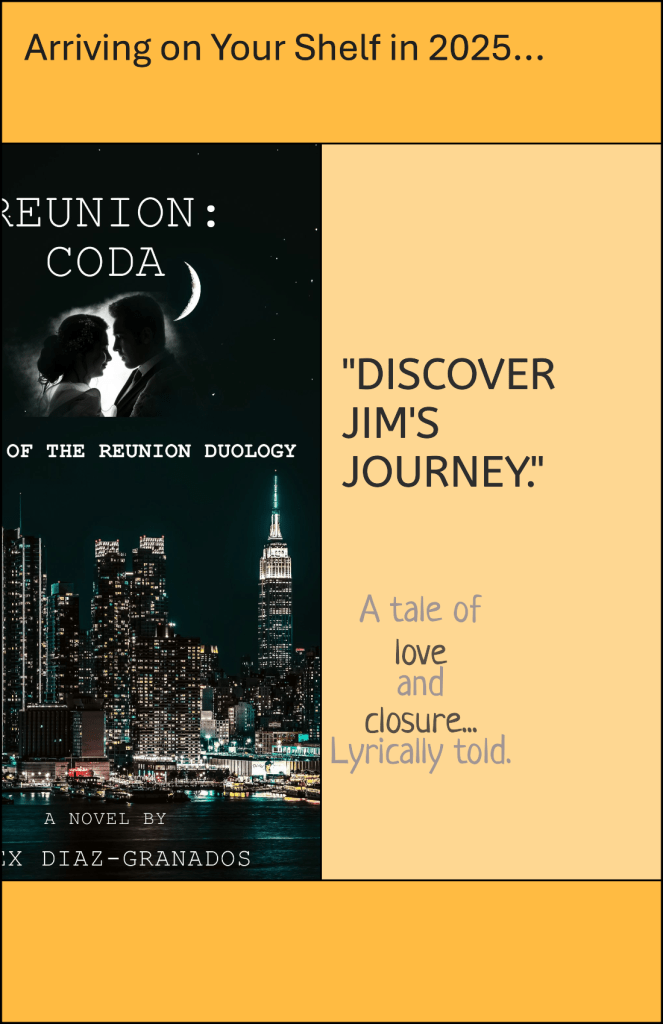
Although yesterday was supposed to be a rest day, I found myself knee-deep in Reunion: Coda. Rather than diving into new writing or revisions, I wisely saved those for the workweek—afternoon shift, here I come! Instead, I spent my Sunday giving the chapters I’ve already written a thorough once-over. The mission? Ensuring the tone and style are as consistent as a perfectly brewed cup of coffee and that my characters leap off the page with enough charm to avoid being boxed in as mere clichés in a sappy romance novel.
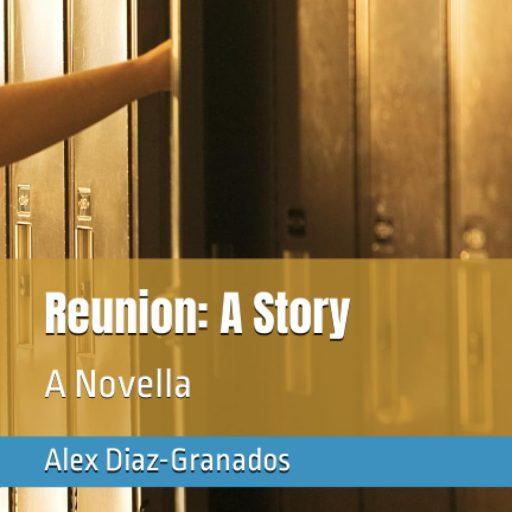
Like many first-time novelists, I am nervous about how well-regarded Reunion: Coda will be. Intellectually, I know I shouldn’t be so fretful. After all, the novel is the continuation of Reunion: A Story, a novella I first wrote in 1998 and self-published first in 2018 and then again, in an improved edition, in 2023. That first book in what is now the Reunion Duology has earned praise from some of its readers, including Meg Learner, who wrote this review on Amazon UK:
A lovely lyrical book and excellently written. It makes use of flashbacks, yet these are expertly woven into the story so that you always know where you are and how they contribute to the tale. This is quite a short read (I downloaded it to my Kindle and read it on my train journey) but it certainly packs a lot into the story and the idea is fresh and novel. I have not read a story like this before. It’s not my normal type of reading material, as most of my reading these days is factual or business-related but I really enjoyed it and was sorry when it was finished.
The book basically makes the point that it is better to be sorry for sins of commission, rather than regret sins of omission, yet it also shows how the angst of high school and teen fears get in the way of true love. One point I would make – I would LOVE to see a sequel to this, written from Marty’s point of view. PLEASE?
I also asked one of my writer friends, Denise Longrie, to be my Beta Reader. Beta Readers are invaluable to authors, providing feedback on drafts to ensure clarity, coherence, and overall impact. Denise, a more experienced writer and poet, with several published books to her name, graciously took on this role as a friend. Even though she typically does not favor novels where romance takes center stage, she has been enjoying Reunion: Coda. Her insightful advice has significantly shaped the narrative’s tone and maintained its consistent quality. I am profoundly grateful for her support and expertise.
Since I’m using many of the techniques I used in Reunion: A Story, such as dual timelines, flashbacks, epistolary sequences, and the protagonist’s point of view, my brain knows that Reunion: Coda should be as good as, or even better than, my novella. I’ve dedicated so much more time to the novel – over two years if I finish the manuscript by mid-March – compared to the week or so it took to draft Reunion in 1998. This extended timeline is partly because it’s my first novel, and I’m writing it mostly as a “pantser,” but also because I invest significant effort in quality assurance.
(In the world of writers, a “pantser” refers to someone who writes by the seat of their pants, without any pre-planned outlines or structures. Most of Reunion: Coda, except for the final third, has been written spontaneously, allowing the story to develop organically as I write.)
Despite the reassurances from Denise and others – including my friend and filmmaking collaborator Juan Carlos Hernandez – that Reunion: Coda is shaping up nicely, the editor – and worrywart – in me can’t help but fret. I worry about the writing, the story, its themes – even though I don’t consciously think of those, they are present nonetheless – and, most importantly, its characters. Because I care deeply about giving readers a good story, I dedicate a lot of time to quality assurance work.
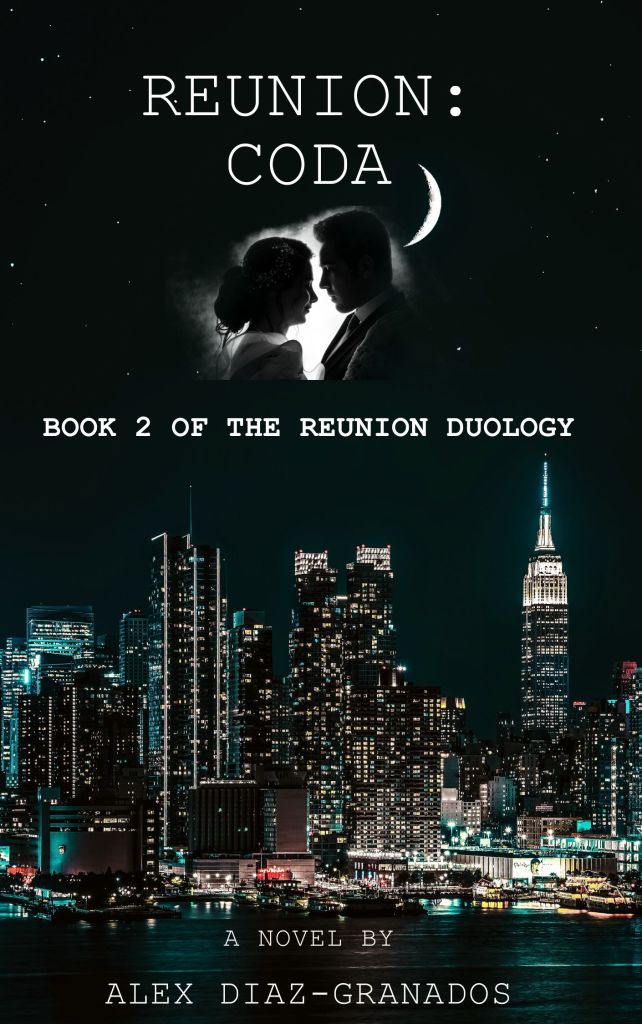
So, I spent most of my Sunday—typically reserved for leisurely reading, movie watching, or indulging in a favorite computer game—meticulously poring over the manuscript. I did this mostly on my own, though I did enlist Copilot AI for an hour to review selected passages from various chapters. This was to ensure the story remains engaging, entertaining, and, most importantly, a solid piece of general fiction.
Once I finished this important but time-consuming task, I did two more things that kept me busy till the late hours of the night.
This is a work of fiction with two timelines interwoven in its narrative. Any resemblance to actual persons, living or dead, is purely coincidental—except for the public figures who are mentioned fictitiously. Although some events are inspired by my own teenage escapades, particularly in the chapters set in the 1980s, I assure you, the absurdities you’ll encounter are products of my overactive imagination. Sit back, relax, and enjoy the ride through the labyrinth of my youthful memories and creative whims.
One of the meaningful steps I took was to electronically apply for a copyright through the U.S. Copyright Office. This is such an important process because registering your work officially protects it, ensuring that your creative efforts are safeguarded against unauthorized use. Although I opted for the most budget-friendly registration option, it still amounted to nearly $150. This time, I registered Reunion: A Story, and I plan to register Reunion: Coda once I can afford it.
After applying for the copyright, the next important step I took was crafting a disclaimer for the novel’s copyright page. In the publishing world, this appears in the “Front Matter” of a book:
This is a work of fiction with two timelines interwoven in its narrative. Any resemblance to actual persons, living or dead, is purely coincidental—except for the public figures who are mentioned fictitiously. Although some events are inspired by my own teenage escapades, particularly in the chapters set in the 1980s, I assure you, the absurdities you’ll encounter are products of my overactive imagination. Sit back, relax, and enjoy the ride through the labyrinth of my youthful memories and creative whims.
Many novels include such disclaimers to clarify the fictional nature of the story, even though some might argue they are unnecessary for fiction. These disclaimers help set the expectations for readers and protect the author from any potential misunderstandings or legal issues.
So, even though I didn’t get the rest I had hoped for and I’m starting my workday a bit more bleary-eyed than usual, I’m delighted to have these important tasks behind me. Now, I look forward to diving back into the world of creative writing, fueled by the excitement of bringing Reunion: Coda to life. Here’s hoping that it not only meets but surpasses readers’ expectations and that the adventure was well worth the sleepless night.

 A Certain Point of View, Too
Comments
5 responses to “Writer’s Shop Talk: Sunday’s Unexpected Creative Marathon: Crafting ‘Reunion: Coda’ and the Journey of a Fretful Novelist”
What I’ve learnt is that us writers never really have a rest day or day off haha.
LikeLiked by 1 person
It seems that when we’re not actively writing the story, we are constantly thinking about plot, characters, settings, or fretting about the quality of the work. We might get some rest, physically, but mentally? Perish the thought.
LikeLiked by 1 person
Yes, that’s exactly it. We’re never not thinking about it.
LikeLiked by 1 person
Congratulations!
LikeLiked by 1 person
Thanks, Dawn!
LikeLike