
Late Morning, Saturday, January 18, 2025, Miami, Florida
It’s another cloudy winter day in South Florida. As I write this, the temperature is a balmy 77°F (25°C) under mostly cloudy skies. Unlike yesterday’s deluge, which turned the neighborhood into a temporary water park, today promises warmth and mostly sunshine—a delightful start to the weekend in the subtropical zone.
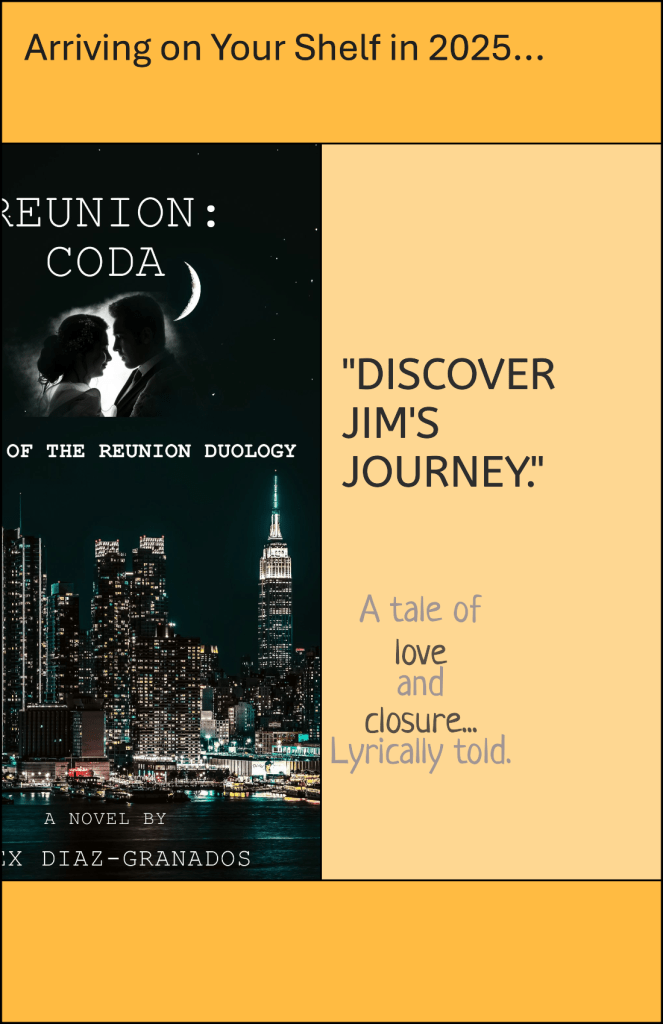
Thanks to the laundry monster that demanded my attention, yesterday wasn’t my most productive writing day. Laundry, that necessary evil, disrupts my creative flow like an off-key note in a symphony. However, I did manage to sneak in some progress on Reunion: Coda during the night. Although no new scenes were birthed, I polished a gem from Jim Garraty’s junior year at South Miami High.
Revising is like sculpting; sometimes, you must chisel away the excess marble to reveal the masterpiece within. The scene, originally penned in the summer of 2023 while I was still in Tampa, had its charm. Based on my choral adventures at South Miami High, it held compelling situations, solid character beats, and dialogue that sang with authenticity. My Beta reader gave it the thumbs up, so in my mind, it was a “done deal.”
(Remember, in writing, as in life, the first draft is just you telling yourself the story. Editing is where the magic happens.)
However, after revisiting the scene some months later, I found a hidden flaw amidst its charms—it suffered from the classic pitfall of “telling” rather than “showing.” Despite its vibrant situations and lively dialogue, it needed an infusion of that visceral energy that turns words on a page into a lived experience.
Though it was already dark outside and way past my usual quitting time of 6 PM, I decided to adjust the scene to immerse the reader in Jim’s 1980s experience. Yes, I was tired. And yes, it was difficult to coax my brain into writing mode at that late hour. But I was determined to improve the scene and make it work well. I figured that since Reunion: Coda is the culmination of my dream to write a novel, I should strive to give it my best efforts, even if it meant I had to work later than usual.
In the quiet stillness of the night, I set about injecting life into Jim’s world. I traded the narrator’s hat for a chisel, ready to sculpt each word and phrase with precision and care. The scene needed to leap off the page like a dancer pirouetting out of a music box—graceful, captivating, and unforgettable. The setting of the 1981 Winter (Christmas) Concert in the school auditorium was picturesque, and the dialogue remained untouched—perfect as it was.
As I polished the narrative, I imagined Jim navigating the nostalgic ambiance of the auditorium, his presence bringing to mind the hopes and dreams of yesteryears. I knew I had to transform the narrative from a plain recital of events into a technicolor showcase of emotions. The goal was to let readers see the crowded school auditorium and the various singers on the stage,, feel the worn wood of the auditorium seats, and hear the music, applause, and laughter that filled the space.
By 9:30 PM, I was running on sheer determination, but the scene had undergone a metamorphosis. It now shimmered with a vibrancy that was previously hidden beneath layers of exposition. It was no longer just a memory; it was an experience, a moment in time that readers could step into and live.
As I finally closed the Word file on my desktop, I couldn’t help but smile. This was why I wrote—those golden moments when the characters breathe and the story sings. And as a writer, there’s no better feeling than that.

The Winter Concert was only halfway through, but I had already done my part. I had sung with the Mixed Chorus I group and then rocked the house with my solo of “Jingle Bell Rock”. The crowd had gone wild and given me a standing ovation. It was the best feeling ever.
But I couldn’t just relax and enjoy the rest of the show. I had to stay in my orange Pierre Cardin South Miami High blazer and hang around backstage. I couldn’t sit in the audience, even if there was a free seat. I had too much adrenaline pumping through my veins.
I walked back and forth in front of the stage, replaying the whole thing in my head. How nervous I was before I stepped up to my mark, lit as it was by a single spotlight aimed at center stage. How shaky my voice was on the first line. How confident I felt when I got into the groove and heard my friends backing me up. How happy I was when I saw everyone clapping and cheering for me. It was a roller coaster of emotions, and I was still on it.
I was so caught up in my little world that I didn’t notice my best friend sneaking up on me from behind. He tapped me on the shoulder and made me jump. “Whoa -” I gasped, spinning around with a shocked look on my face.
“Relax, Jim, it’s just me,” Mark said, grinning and giving me a friendly shove. “You were awesome, by the way!”
I felt my ears turn red and wished I could hide them. I stuffed my hands in my pockets and tried to act cool. Mark and I had been friends since fifth grade, but he had never been so openly proud of me before. He was a good guy, but he usually hid his feelings behind jokes or poker faces.
“Thanks,” I said, feeling awkward. “I did okay, I guess, but I messed up the first line a bit.”
“You only had one week to prepare, dude,” Mark said, sounding cool and casual. “And I gotta say, you have some guts, going up there in front of 300 people like that. I could never do that.”
I didn’t know what to say to that, so I just looked at him and smiled. “Thanks.”
“No problem, buddy,” Mark said.
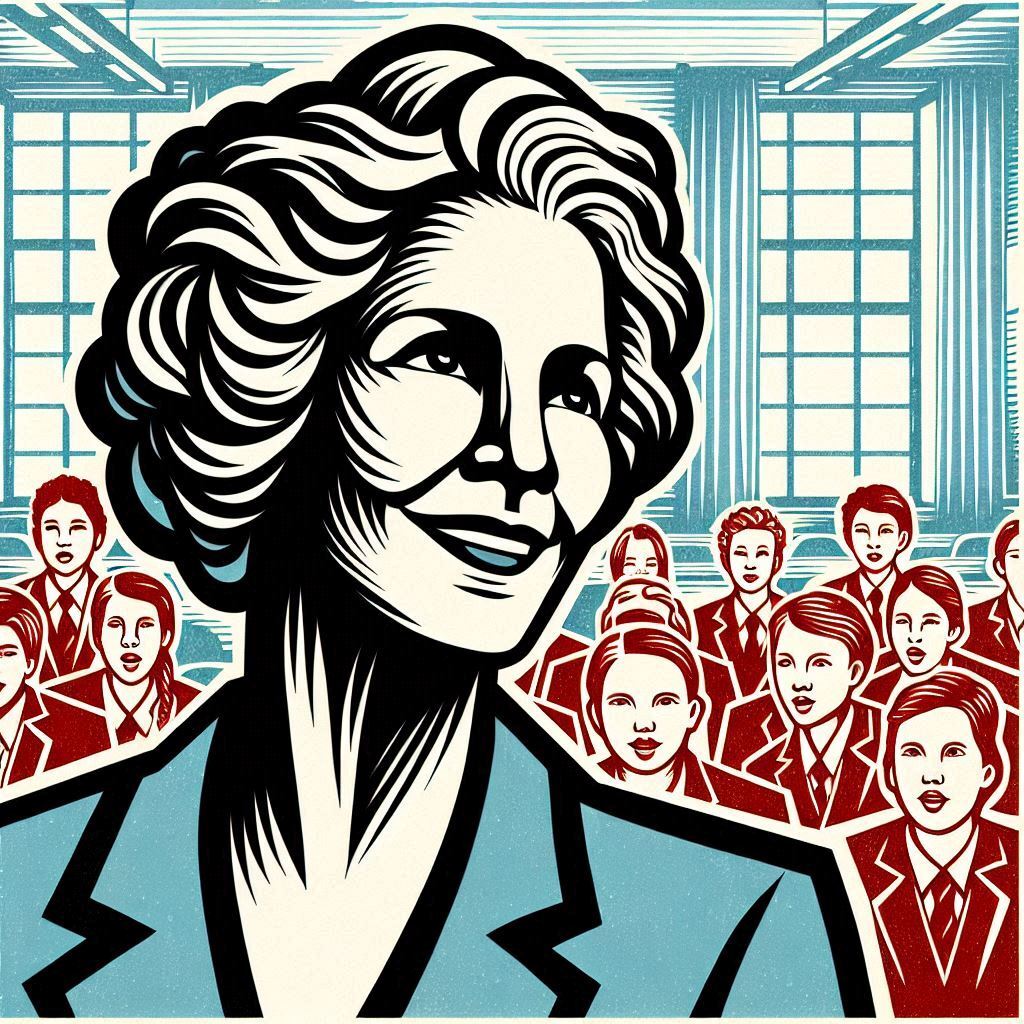
I was about to say something else when I heard Mrs. Quincy clap her hands twice – her way of saying “Listen up, everyone!” – and her voice ringing out. “Okay, all singers! Back to your places on stage! Ladies -” she meant the altos and sopranos of the Women’s Ensemble, “you know what to do. Gentlemen, and Mixed singers, please go backstage! We don’t have much time left, and the bell is going to ring soon.”
 A Certain Point of View, Too
You must be logged in to post a comment.