A Father’s Day Without a Father
I don’t remember my father.

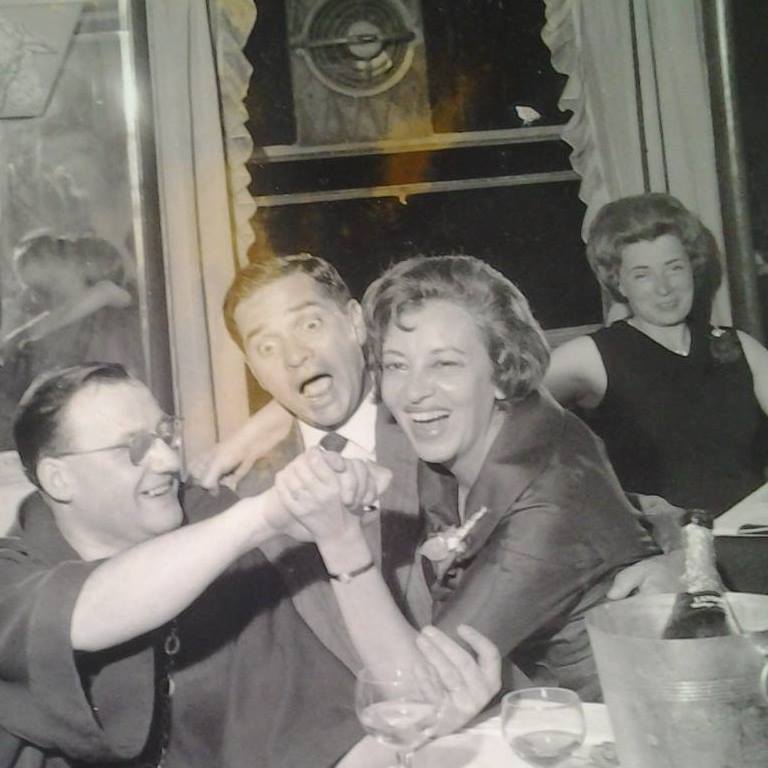
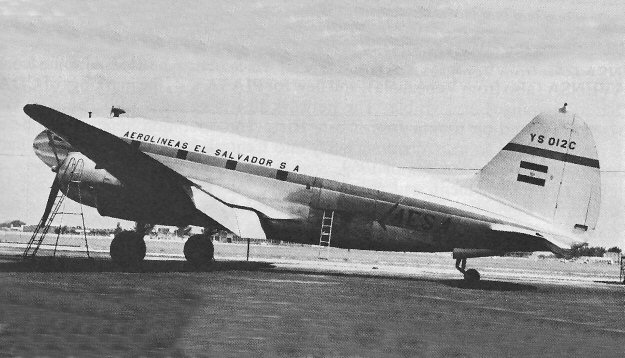
At times, I think I glimpse a fleeting mental snapshot—a vision resembling an old photo slowly fading in a family album—of a dark-haired man holding the infant version of me in his strong, tanned, and hairy arms. The hopeful part of me likes to believe it’s real; the rational part suspects it’s merely an illusion, stirred by the moments when Mom, after a few sparkling vodkas, reluctantly pulled out her 1960s-era memory books and showed me family photos from before Dad died in a fiery plane crash on February 13, 1965.
I was not yet two years old on that tragic day—a date that, coincidentally, marked the 20th anniversary of the controversial Anglo-American bombing of Dresden during World War II. Too young, I think, to have formed meaningful memories of Jeronimo Diaz-Granados. His face lives on in the photographs I inherited after Mom’s passing nearly a decade ago, but the essence of him—the sound of his voice, the scent of his cologne, the warmth of his arms—exists only in the spaces where memory fails me.
Father’s Day is a bittersweet occasion, shadowed by absence. He celebrated it only twice—once in 1963, the year I was born, and again in 1964—with Mom, my older half-sister Vicky, and me. If she ever gave him cards “on my behalf,” like some mothers do for their young children, they either perished in the fire that destroyed our house months after the plane crash or were lost in the many moves we made between 1966 and 1978. Though I’ve uncovered a few mementos from my earliest years, Father’s Day cards weren’t among them.
When I was older, I wished Happy Father’s Day to my uncles on Mom’s side—her brother Octavio and her brother-in-law Francisco. But my dad’s surviving siblings distanced themselves from Mom and me during my childhood. Uncle Carlos visited sporadically when we lived in Bogotá in the Sixties and Seventies, though I remember little about him. Uncle Sixto attempted to reconnect with me in 1987, but my half-sister, out of jealousy and spite, sabotaged the relationship before it could take root.
Had my Diaz-Granados uncles been more present, I’d have treated them as father figures and wished them a Happy Father’s Day. Instead, fate dictated otherwise, leaving surrogate father figures to step into the void. None were romantically involved with my mother, but their quiet presence shaped my world in ways I didn’t fully appreciate until adulthood.
My feelings about Father’s Day remain conflicted. I don’t hate it; I still smile when I recall Mom half-jokingly calling me a dad because of my Labrador retriever, Mary Joe Cacao. “You do everything for her the way your father used to do for you,” she would say, “so that makes you, ipso facto, a dad.”
And yet, I don’t love Father’s Day as much as I probably should. There is a black hole where memories of my father should be—a silence where his voice once existed, a missing thread in the fabric of my life. I miss the warmth and wisdom of the men I considered father figures, especially my uncles and my former neighbor, Russell William Alger, who was like an adopted father to me.
Some absences shape us more than presence ever could.
 A Certain Point of View, Too
Comments
10 responses to “Father’s Day Without a Father….”
💗💗💗
LikeLiked by 1 person
Thanks, Cindy!
LikeLiked by 1 person
of course, Alex 🙏🏼
LikeLike
I never considered how days like these could prompt moments of reflection like this until I got older. Wishing you peace, Alex.
–Scott
LikeLiked by 1 person
I don’t write often about Dad. It’s a bit frustrating (and painful) because the only things I know about him are tragic.
Fer instance: My grandfather Clemente was in the shipping business in Colombia, and in the post-WWI era, he had business dealings in the Weimar Republic. So…the Diaz-Granados clan, including my then 4-year-old dad, lived in Bremen for a while. It was there, in 1924, that Clemente, Jr. died at the age of 9 while trying to save two local boys from drowning in a canal near the house where my grandparents, dad, aunts, and uncles lived. The German media of the time mentioned it (mostly in newspapers), so there’s archives that a German-speaking journo can peruse to get the story. (I don’t speak or read German, so that’s not going to be me.)
And, of course, though Mom sometimes told me funny stories about my dad and some of the lighter side of his life, the big focus was his fatal flight on February 13, 1965. That made the front page of the Miami Herald, The Miami News, and some Colombian newspapers. And a few months after that…our house caught fire.
1965 was not a great year for us, I think….
LikeLike
I am sorry you lost your father at such a young age and I can certainly understand that you feel conflicted about father’s day.
LikeLiked by 1 person
Thanks, Thomas, for your compassionate words of support.
My dad’s death and its consequences to my small branch of the family shaped, for good or ill, my personality and worldview. Most significantly, my belief that time doesn’t heal all wounds. Mom, for example, was deeply affected, and for many years it was difficult to get her to talk about my father’s life other than, of course, the accident that took his life.
LikeLiked by 1 person
“Time doesn’t heal all wounds.” I remember that from the beginning of your book too. I agree. People like to say it but it isn’t true. In Sweden people used to say “it will be forgotten in 100 years” but that was usually about small mistakes for which it was true.
LikeLiked by 1 person
Oh, yes. “Time doesn’t heal wounds” is definitely a tenet that Jim Garraty holds in his heart throughout his life. It’ll pop up again in Reunion: Coda, like a distant melody. 🙂
LikeLiked by 1 person
Losing your father so early in life was a terrible blow. It is good you have some lovely photos, Alex. ❤️
LikeLike