
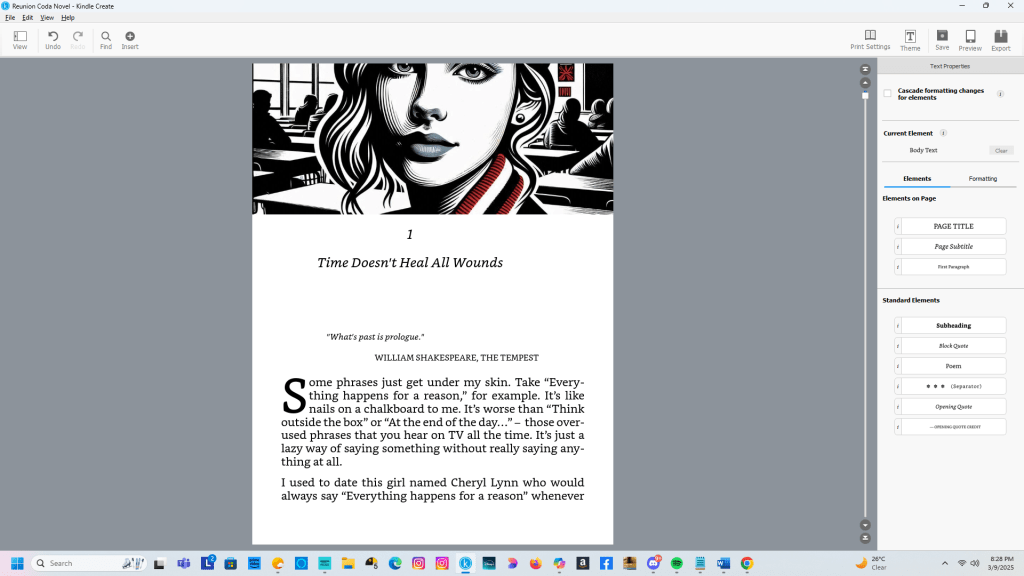
Ever since 1978, I’ve dreamed of writing a novel.
Not The Great American Novel, mind you. I’m smart—and trained—enough to recognize that when I put in the effort, I’m good at what I do. Otherwise, I’d keep my scribblings—or tap-tap-tap-tappings—to myself, far from public view. Yet I’m also realistic: I’ve got a ways to go before anyone could claim my fiction stands shoulder to shoulder with the likes of Herman Raucher, Stephen King, or that avatar of American male writers, Ernest Hemingway. Still, since I was fifteen—navigating the messiness and mediocrity of what we then called “junior high”—I’ve wanted to write something worthy of the title novel.

As I’ve mentioned before, both on this blog and in the afterword to Reunion: Coda, I once assumed my first novel would be either a war story in the tradition of From Here to Eternity or All the Light We Cannot See, or a sci-fi thriller in the spirit of Marooned or The Forever War. My early juvenile fiction leaned into those genres. Looking back through the lens of maturity and craft, those stories were far from great. But when I gave them time and attention—which, to be fair, wasn’t often—they showed… potential.
What they didn’t show, however, was romance.
As I said in yesterday’s post: I didn’t get my first electric typewriter until late 1975. Our financial situation wasn’t dire, but it wasn’t exactly typewriter-on-a-whim comfortable, either. Eventually, one came—a scaled-down version of that sturdy Royal from Mrs. Chambers’ classroom—thanks to a local ladies’ organization my neighbor Sheila Blanchard belonged to. I wish I remembered the name of that group, but their generosity stuck with me.
I mostly used the typewriter for schoolwork in Mrs. Anna Brown’s fifth-grade class once I’d been mainstreamed. Still, I filled plenty of pages with boyish, jingoistic war stories—tales of virtuous Allied heroes battling dastardly Axis foes. They weren’t subtle. They weren’t polished. But they were mine. And they were a beginning.

The first time I ventured into romantic subplots was in ninth grade, thanks to Ms. Esther Allen, my English teacher at Riviera Junior High. During the second semester of the 1979–80 school year, we studied the structure of long fiction—S.E. Hinton’s The Outsiders (which I liked) and Steinbeck’s The Pearl (which I didn’t)—and the arc of narrative form from rising action to climax and resolution.
Ms. Allen’s assignment was as follows:
- An original story of any genre (sans graphic gore, violence, or sex)
- A mandatory outline
- A rough draft
- A revised final draft, preferably typed
- A minimum of 20 pages, but longer works were welcome
As I told my friend and fellow blogger Thomas Wikman in a Leonberger Blog interview last September, I couldn’t resist channeling my inner George Lucas. The result: a dystopian “space war” tale in which exiled Americans (think WWII films crossed with Cold War propaganda) faced off against faceless Soviet villains to free Earth from an oppressive Evil Empire.
My sixty-two-year-old self winces now, but Hypercraft One: A Sound of Armageddon wasn’t a bad effort for a ninth grader. Thanks to a neighbor with stellar typing skills and a generous spirit, my “novel” came in at 40 pages—neatly typed and aligned with all of Ms. Allen’s criteria. I earned an A+ with top marks in spelling, grammar, punctuation, originality, and punctuality.
Set in the 22nd century, Hypercraft One features an Earth conquered by the Soviet Union, with the last vestiges of the United States scattered in space colonies. The plot pulled from Star Wars, WWII action films, and particularly The Dam Busters, one of Lucas’s own influences. It featured daring missions, stock characters, and a buddy dynamic between the brave pilot and his loyal copilot aboard the titular assault craft.
Of course, I added a romance. My protagonist, Capt. Alexander Johnson (yes, a stand-in for yours truly), falls for Lt. Kelly Moore, a nurse stationed aboard the USS Berkshire, a cruiser blatantly inspired by Battlestar Galactica. Kelly bore an uncanny resemblance to a girl in my ninth-grade math class I had a fierce crush on. I used her real name, borrowed her blonde hair, pert cheerleader’s figure, and piercing blue eyes. And yes, my fictional self got the girl in the end.

Blatant wish-fulfillment? Absolutely.
Clichéd? Without a doubt.
But for a ninth grader? Not bad at all.
And sometimes, not bad is exactly where a writer needs to start.
For 18 years, until I wrote the novella now known as Reunion: A Story, Hypercraft One remained the longest piece of fiction I’d ever completed—and the only one that flirted, however clumsily, with romance. My first Jim Garraty story—a dream sequence I originally turned in for a CRW-2001 assignment at Miami-Dade Community College in 1987—was far more erotic than romantic. Which is why, when I revisited it over a decade later to use as a springboard for Reunion, I toned it down and refocused.
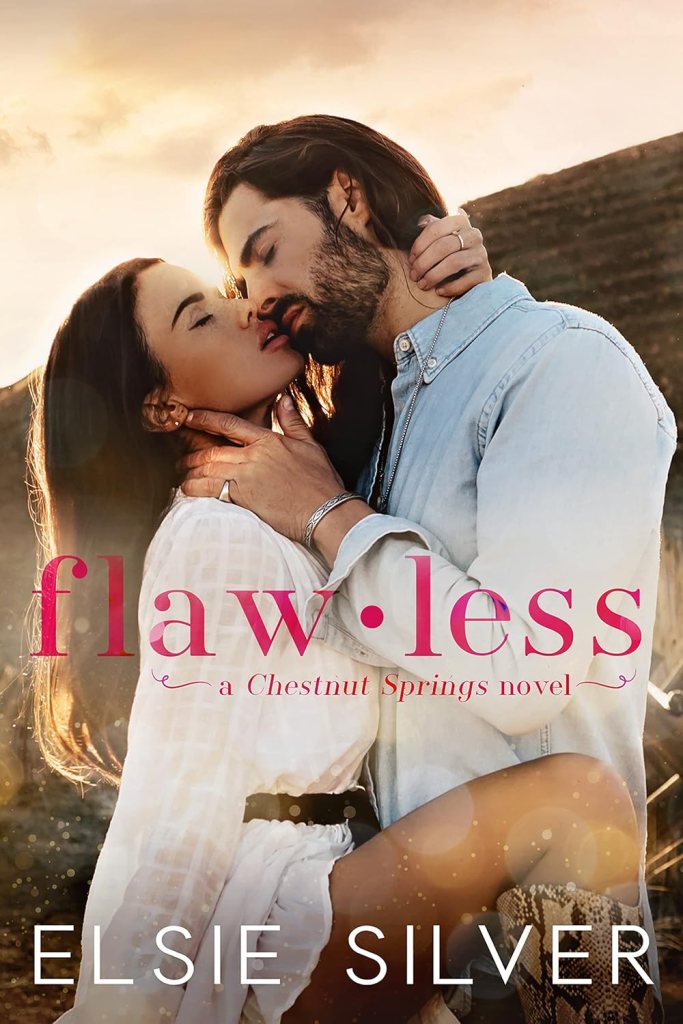
I wasn’t especially drawn to romance novels; that genre belonged more to my mom and half-sister than to me. And yet—despite my resistance—I’ve never quite shaken what Louis Renault might call a “rank sentimentalist” streak. I still mist up when I watch Casablanca or Summer of ’42. But hand me a novel with a cover graced by entwined lovers beneath a rose-tinted sky, and I’ll sidestep it like it’s laced with polonium.
And yet, the two literary works I’ve published in the past seven years are neither particularly martial—despite the fact that Jim Garraty is a military historian with a life quietly shaped by the Vietnam War—nor especially action-driven. They’re about quieter conflicts. Emotional stalemates. Unfinished conversations. The ache of almosts and the weight of what-ifs.
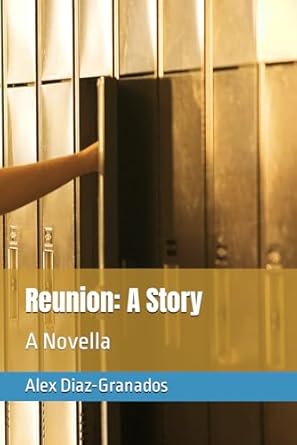
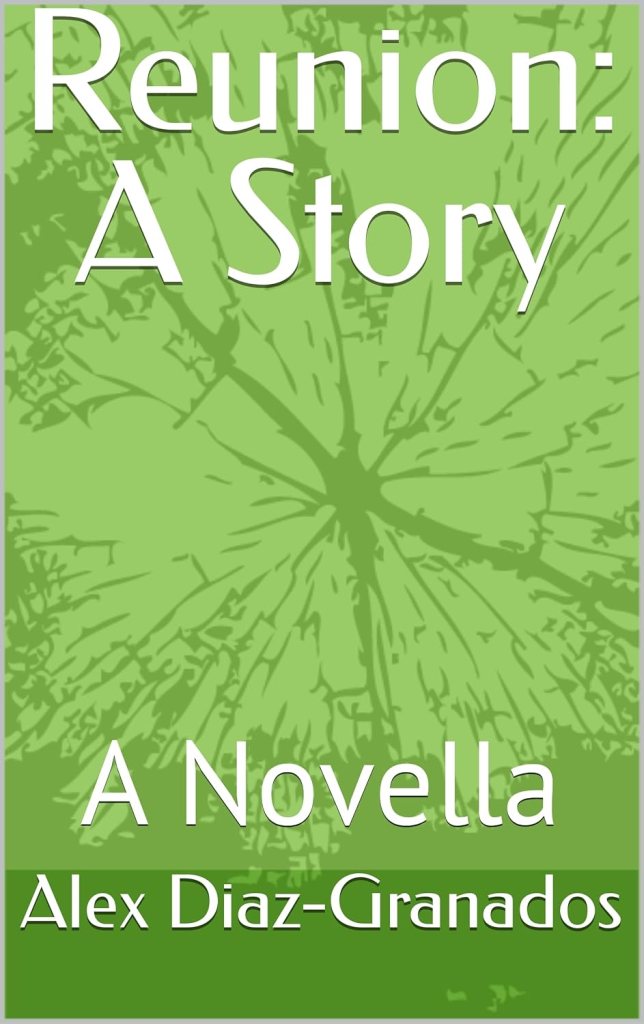

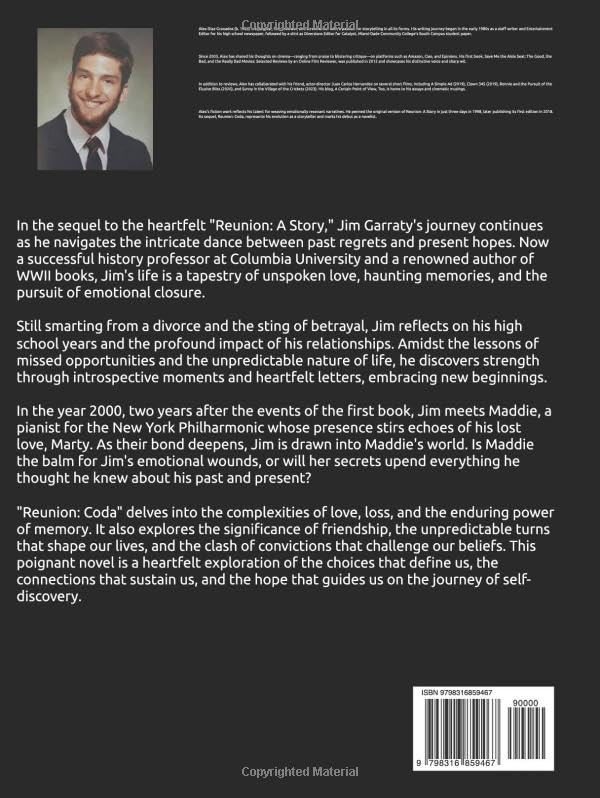
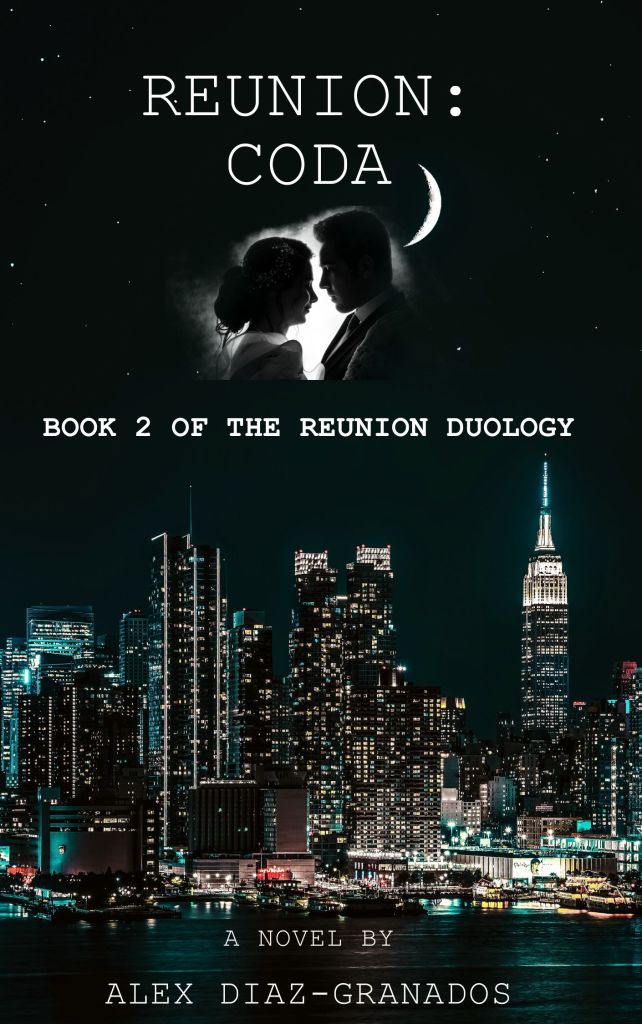
Strangely enough, despite those emotional undercurrents, I neither read—nor had any desire to read—traditional romance novels while writing them. No Danielle Steel sagas or Nora Roberts trilogies were harmed (or consulted) in the making of these stories. Reunion: A Story emerged almost unbidden after I chose to expand and rework that long-ago dream sequence. Coda had the novella as a scaffold, sure—but even then, I followed the characters, not any sort of genre blueprint.
It was easier to write Jim’s high school scenes with Marty—maybe because they’re semi-autobiographical in spirit, and those emotional beats have been rattling around my head since 1998. The “Present Day” arc set in 2000, with Maddie, was tougher. That strand leans more conventionally romantic, and I had to teach myself how to write it. Which meant hitting the books—literally. I turned to craft guides like Diana Gabaldon’s I Give You My Body: How I Write Sex Scenes and How to Write a Romance: Or, How to Write Witty Dialogue, Smoldering Love Scenes, and Happily Ever Afters. No graphic content made it into the final cut—just one modest moment of Maddie in the shower—but I did learn how to shape the before and after. I left the in-between to the reader’s imagination.
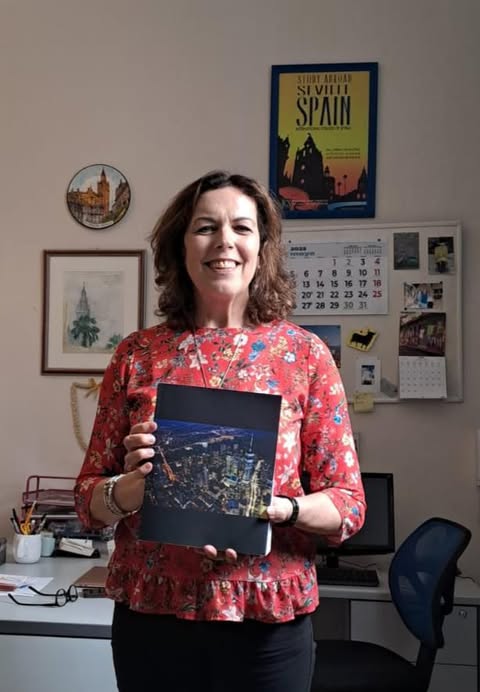
And yet, feedback like this still caught me by surprise. Reader Pooja Gudka wrote, just the other day:
“I’m surprised you haven’t read more romantic novels considering both your books have some extremely romantic moments. I guess when the story comes to us we can’t help but write it down.”
She’s right. And in my reply, I told her:
“While I have a few romantic movies in my collection (some I bought for myself, like When Harry Met Sally…, others I bought for my mom but kept after she died), I don’t (like you) gravitate toward pure romantic novels. Some of the scenes you speak of (like Maddie’s introduction, or Jim and Marty’s farewell at M-DCC) came to me naturally (they’re cinematic thanks to my movie-watching side). However, since I don’t read Roberts, Steel, or others in the ‘romance’ genre, I turned to ‘how-to’ books to learn how to write the more overtly ‘love scenes.’
Since the Jim-and-Marty arc has been rattling around my head since 1998, I didn’t need ‘help’ for their scenes. But for Jim-Maddie? Yep. I had to ‘go to school’ for those bits. (I even bought a guide on how to write sex scenes, but I decided it was best to concentrate on the ‘before sex’ and ‘after sex’ elements and let readers use their imaginations for the ‘during’ part.)”
I suppose that’s the paradox. You can spend your whole creative life circling one genre only to find yourself drawn, almost despite yourself, to the very emotional terrain you thought you’d sidestep. You don’t study romance. You don’t chase it. And yet, it finds its way into the marrow of your story—not as formula, but as feeling. Not as tropes, but as truth.
And if you’re lucky—or maybe just open to the unexpected—you tell it anyway.
 A Certain Point of View, Too
Comments
2 responses to “The (Almost) Unexpected Novel: Reunion: Coda and Writing Out of My Comfort Zone”
For what it’s worth, some of your posts–like this one–have absolutely fascinated me. From the moment I started reading your book, I suspected there was an autobiographical aspect to it (and I mean that in a complimentary way). To get a glimpse into more of your creative journey is very interesting, and I appreciate you sharing it.
–Scott
LikeLiked by 1 person
Thanks for the kind and thoughtful comment, Scott.
When I created Jim Garraty in the late 1980s for a college creative writing class and needed both a backstory and setting, I chose to make him a 12th grader at South Miami Senior High on his last day of school. I’d already chosen to write that vignette in the first person, so I figured I’d sell it to my prof if it sounded authentic. The only way I could accomplish that was by dipping into my wellspring of memories from June 1983 and jotting them down fairly accurately, distorting some events and/or persons with artistic license. And what’s more true than lived experience, albeit presented through a fictional filter?
At least one of my SMSH classmates swears Marty, the central female character in the Duology, is based on a real person. She didn’t believe me when I told her that even though her looks are a “memory composite” based on girls I liked between August 1980 to June 1983, Marty only exists in the pages of Reunion: A Story and Reunion: Coda.
LikeLiked by 1 person