

How Do You Get Inspired to Write?

They say inspiration strikes when you least expect it. I say—it sneaks up on you like a friend who knows where you hide your best snacks. This post isn’t about formulas or foolproof strategies. It’s about the long and winding path my stories take from flickers of memory to fully realized lives on the page.
Let’s be honest—I don’t have a magical ritual for summoning the muse. If only. Back in the late ’80s, when I took a creative writing course at Miami-Dade Community College’s South Campus, our professor tossed out writing prompts like confetti. One day it was “Give Greek mythology a modern twist.” Another? “Write about a character’s fantasies, dreams, or nightmares.”
(Fun fact: that last one gave birth to Jim Garraty—though back then, he was as undeveloped as a Polaroid in its first five seconds. He didn’t come into his own until I dusted him off for my novella Reunion: A Story in 1998.)

Here’s the thing: I’m terrible at meticulously planning stories—especially those grand, sweeping novels I once daydreamed about writing in my younger, arguably more foolish years. As I’ve admitted—especially in the afterword to Reunion: Coda—I long believed my destiny was to write male-oriented genre fiction. A military history buff like me could recite battle dates like some folks remember birthdays. Tom Clancy was my storytelling hero, so I naturally assumed my first novel would be gritty, martial, and packed with gearhead details.

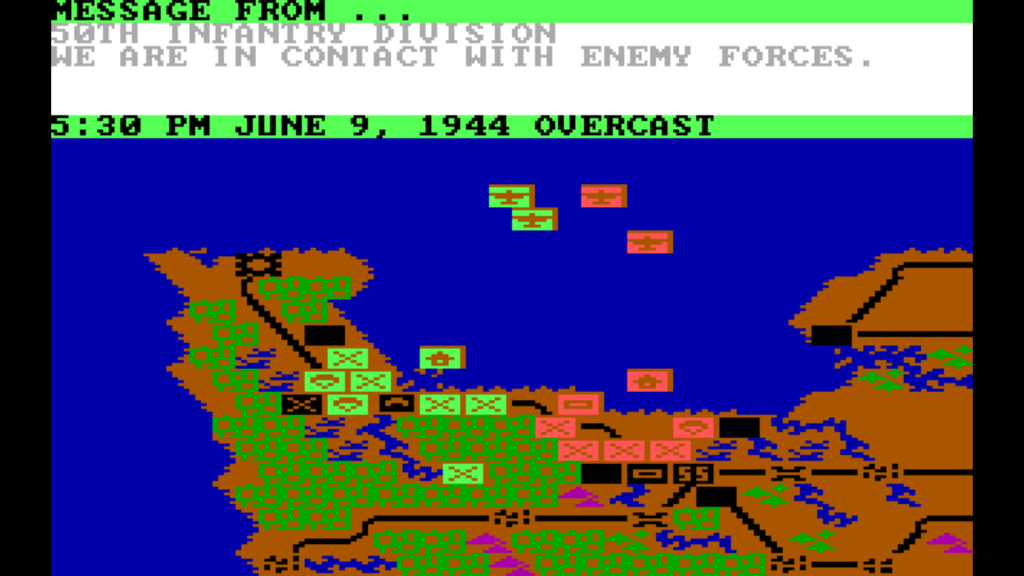
And I tried. I sincerely (if clumsily) prepared for two WWII stories: one set during the real Normandy campaign of 1944, and another in an alternate timeline where—plot twist—the U.S. invades Japan in 1945 instead of dropping atomic bombs. I dove into research, disappeared down historical rabbit holes… then bailed on both projects. Turns out, inspiration can’t be summoned by willpower alone—or by bingeing war documentaries.

The Reunion Duology—Reunion: A Story, Reunion: Coda, and now Comings and Goings: The Art of Being Seen—each came to life in their own way.
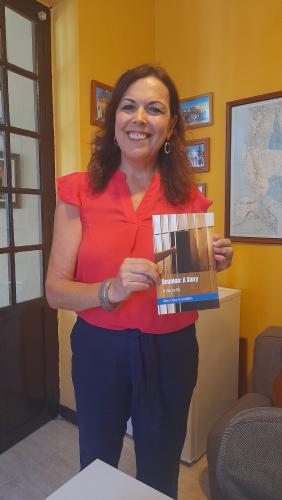
The first draft of Reunion was just me, testing the waters. I didn’t have the steely nerves to pursue traditional publishing, and “self-publishing” in 1998 meant shelling out for a vanity press. That early version was just for me… my mom… and maybe a few curious friends.
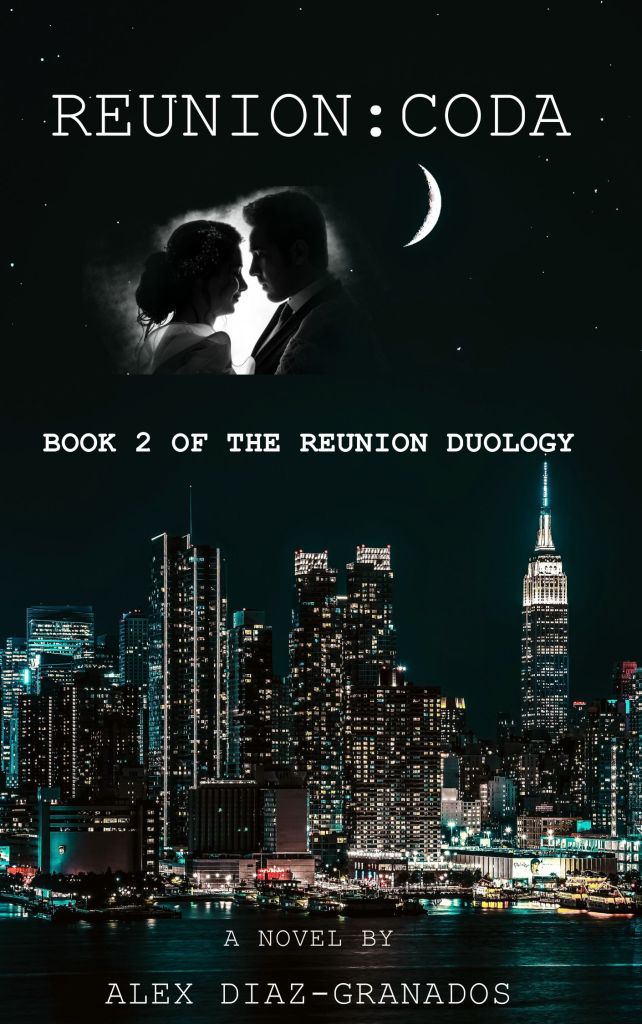
Reunion: Coda, my first novel, was something others wanted to see—but I couldn’t figure out how to write it. Not until March 2023, when I sat down and typed:
“Some phrases just get under my skin. Take ‘Everything happens for a reason,’ for example. It’s like nails on a chalkboard to me…”
I’d been asked for a sequel for years—especially by friends and a few prospective girlfriends—but revisiting Jim’s life felt as elusive as D.B. Cooper. It wasn’t until I let go of the pressure that the story finally suggested itself.
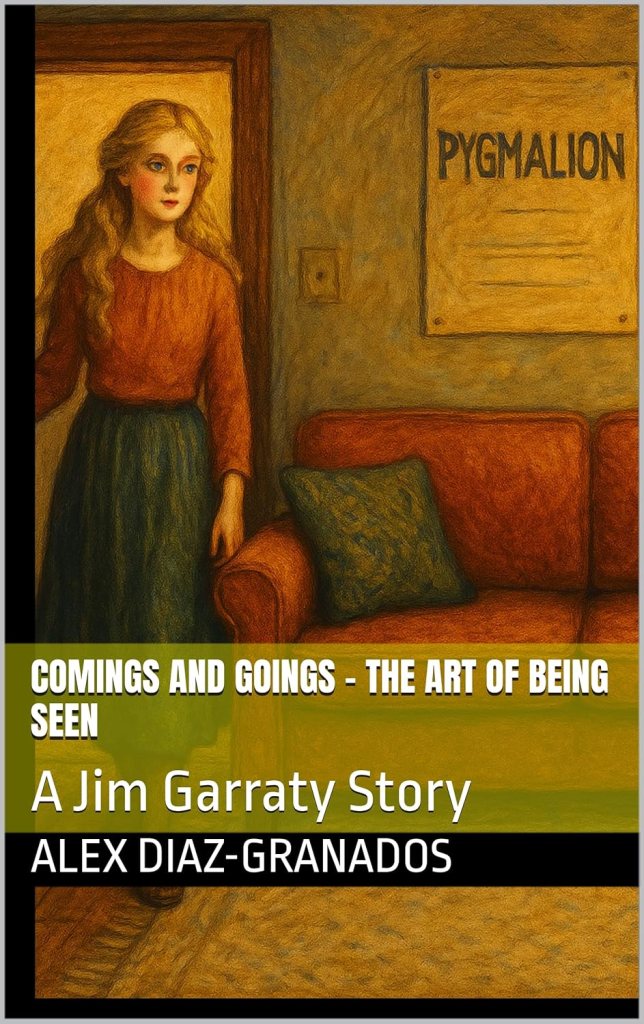
That one wasn’t part of the plan. It emerged, quietly but insistently, from a single flashback in Coda. At first, Kelly Moore was just a name—a memory. A girl Jim once shared some Heinekens with on a summer night in 1984. But something about that moment lingered. Scene after scene, her presence kept resurfacing—not loudly, but like a song you’d forgotten… until it plays when you least expect it.
The story was always there: in the beer Jim shared with his best friend Mark on graduation night. In Marty’s kiss that came too late. In the ache of wondering whether anyone had ever really seen him. Even in that brief walk across Columbia’s campus—years later—when a familiar face stirred a flood of memory.
I hadn’t planned to write another short story after finishing the novel. But the idea of Kelly and Jim’s first time wouldn’t leave me alone. It kept pressing forward until I listened.
Until I wrote it.
Moral of the story?
Sitting at a desk, hoping lightning will strike just because you’ve got a list of abandoned ambitions, doesn’t work. For me, inspiration is more like a mischievous cat—it shows up when it wants, ignores your plans, and occasionally claws the furniture if you try too hard to catch it.
Closing Thoughts
If you’re a fellow writer seeking inspiration or someone who has struggled with a story that won’t come together, I hope this insight into my process encourages you: sometimes, the best ideas don’t emerge when you force them—they arise when you are finally ready to listen.
And if you’ve walked with Jim, Marty, Maddie, and Kelly through the twists of the Reunion Duology or the quiet revelations of Comings and Goings, thank you for listening to the music in these stories with me. I never set out to write a universe. I just followed the notes.
 A Certain Point of View, Too
Comments
3 responses to “On Writing and Storytelling: My Answer to ‘How Do You Get Inspired?’”
Over the years, have you ever been able to narrow down the why behind your lack of inspiration for your historical fiction projects?
–Scott
LikeLiked by 1 person
I think there are three factors at play here:
1. Military fiction is notoriously tricky to get “just right, especially when you’re setting your story in a historical period, such as World War II. In fiction, of course, you have artistic license and don’t need to be 100% accurate about every detail. But even then, you need to make sure that when you add real historical figures, such as Ike, Monty, MacArthur, Truman, Nimitz, or (yuck) Hitler, you better do your homework before you put them on stage.
2. The “So Many Novels About the Same Subject” Syndrome. For instance, Operation Downfall (the invasion of Japan) has already been the topic of two novels, including “The Burning Mountain” by Alfred Coppell. (The other one, “Lighter Than a Feather,” by “Von Ryan’s Express” author David Westheimer, was once reissued as “Downfall,” then reissued again as “Death is Lighter Than a Feather.”)
3. I think I do better when I write stories that are at least partly based on memories and lived experiences. I never served in the military or been caught up in a war as a civilian in a battlezone, so…..
LikeLiked by 1 person
Thanks, Alex—totally makes sense. Military historical fiction is a tough one, especially with real figures involved, and some topics have really been done to death. Writing from lived experience definitely brings a different kind of authenticity. Appreciate you sharing!
–Scott
LikeLiked by 1 person