
Why I Write and Revisit My Work
“I write for the same reason I breathe — because if I didn’t, I would die.” – Isaac Asimov

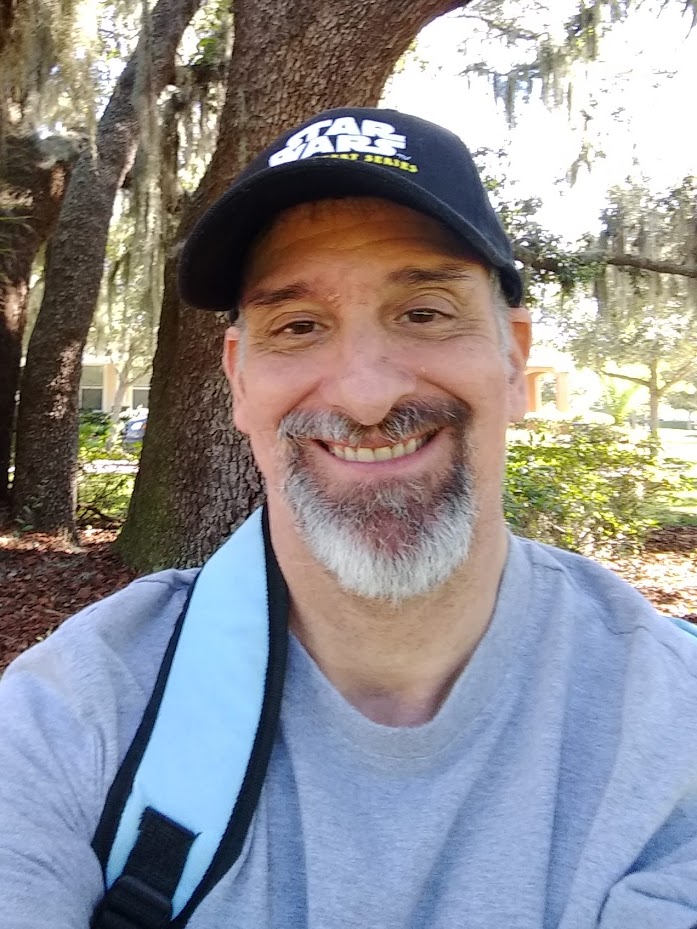
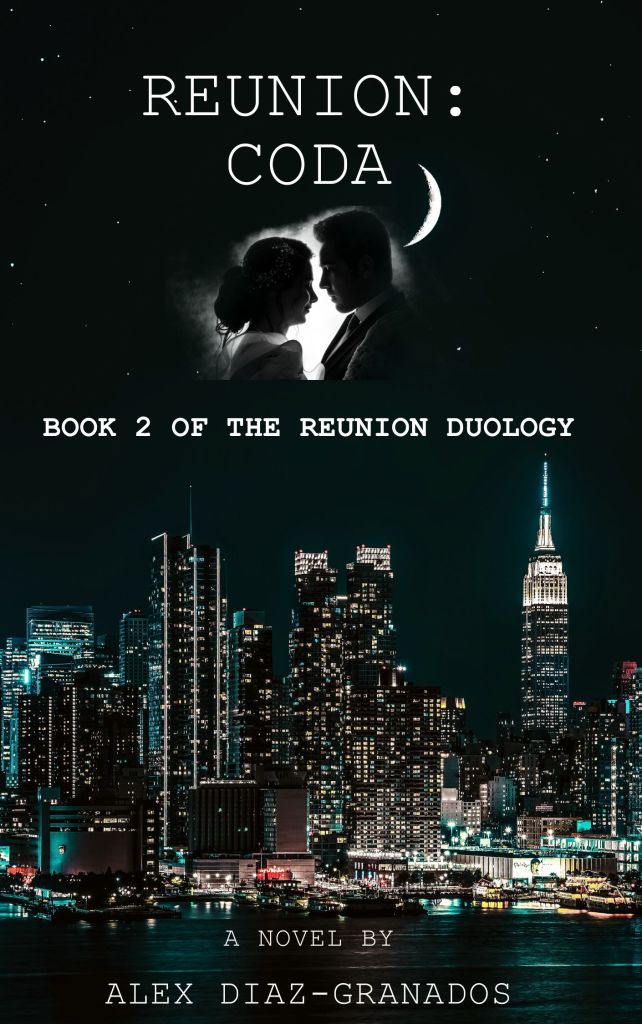
As the four-month anniversary of the publication of Reunion: Coda approaches, I find myself reading it again—this time not only for professional reasons, like fixing issues or being self-critical, but to enjoy the story as it stands. I’m not embarrassed to admit that I revisit the three works of fiction I’ve written since 1998; all writers return to their work after completing the drafting, editing, and revising stages.
It might sound a bit egotistical, but as Toni Morrison once said, “If there’s a book that you want to read, but it hasn’t been written yet, then you must write it.” If you know me—either personally or through my online writings—you know I’m not fully comfortable in my own skin, especially regarding my storytelling abilities. My experience from high school and college affirms that I am well-trained as a writer and editor. I’m self-aware enough to recognize that, with effort and dedication, I can weave a decent story. While I wouldn’t place myself alongside Stephen King, Jennifer Egan, Harper Lee, or Ernest Hemingway, I also know I’m not a bad writer.
Finding Satisfaction and Embracing Imperfection
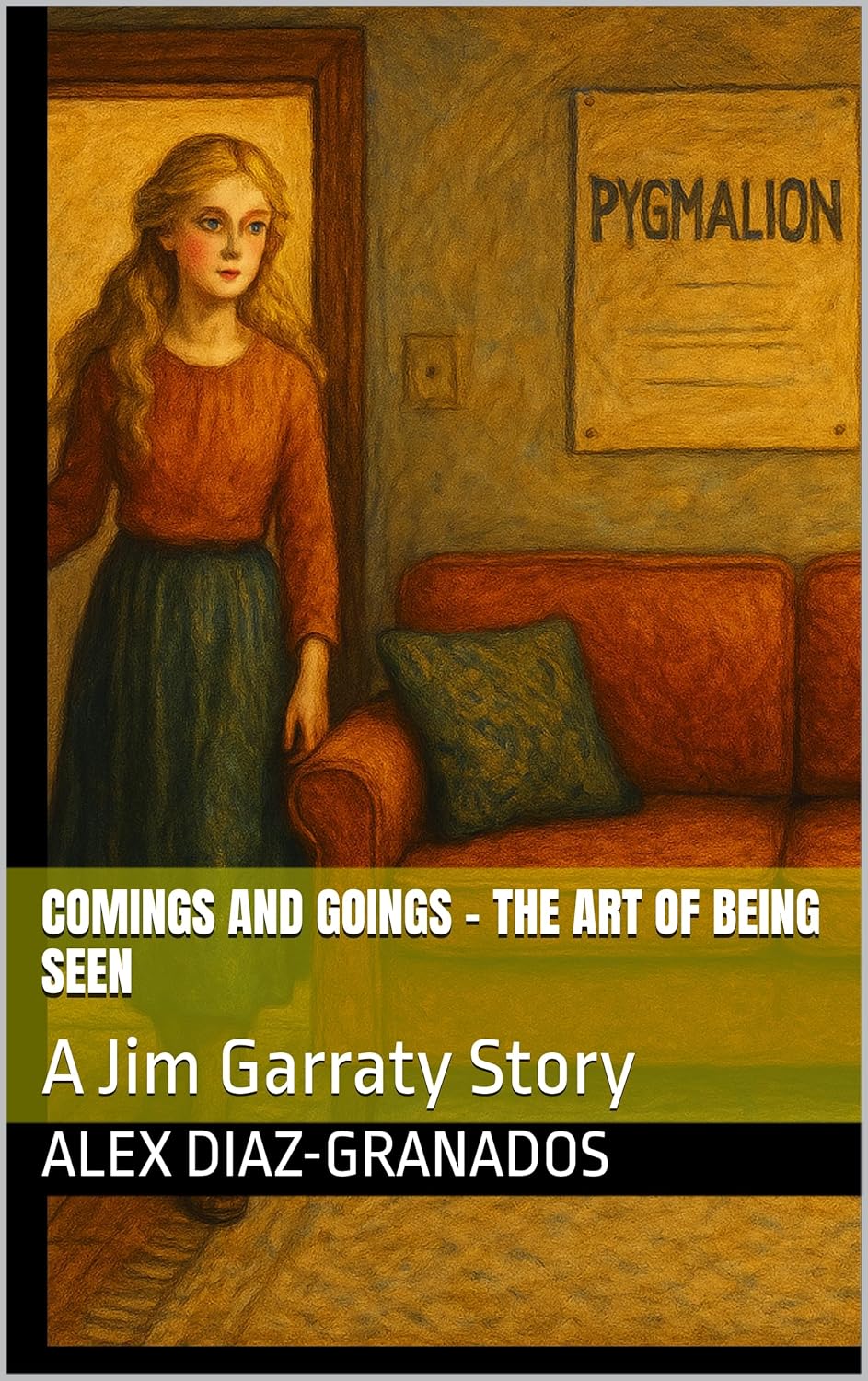
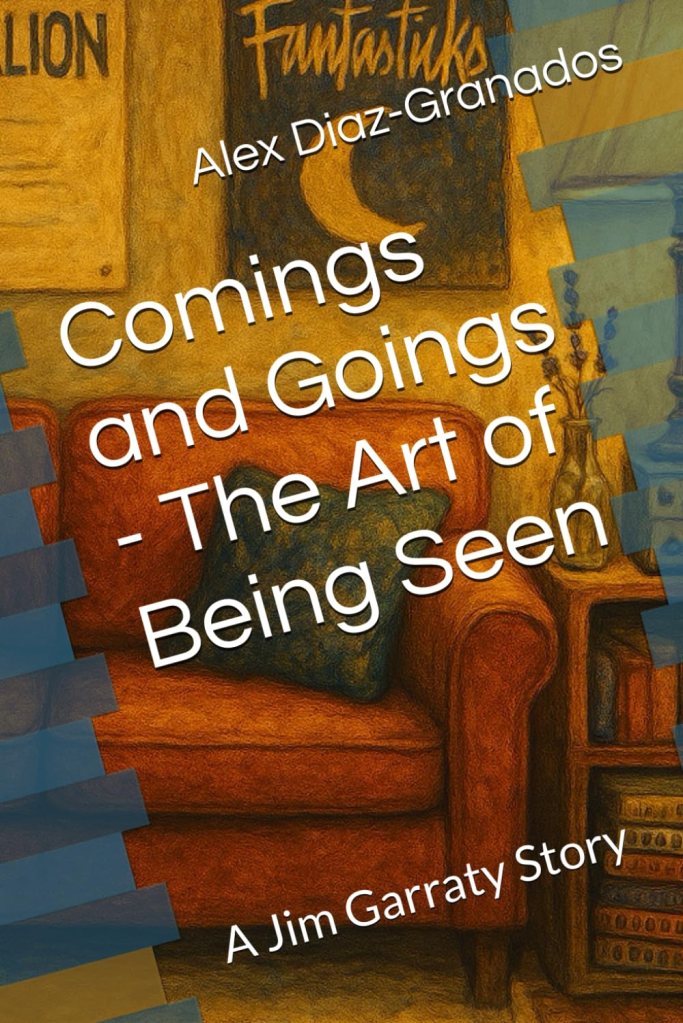
So yes, I read my own stories for pleasure, not just to identify imperfections or occasionally add a plot point or line of dialogue to improve the books. Of course, if I encounter a particularly clumsy passage or a literary non sequitur that disrupts my enjoyment of Reunion: Coda or the newer Comings and Goings – The Art of Being Seen, I’ll fix it. Not many self-published writers do this, which might explain why many readers still favor books from Traditional Publishing Behemoths™.
On this muggy late July afternoon, I feel an uncharacteristic sense of pride in the two books I released in 2025. Neither of them—especially Reunion: Coda—is perfect. There are likely still some formatting gremlins in my novel and minor inconsistencies with the characters. But since Reunion: Coda marks my first successful attempt at writing something longer than a novella or short screenplay, I am satisfied with what I’ve achieved.
Reader Feedback and Validation
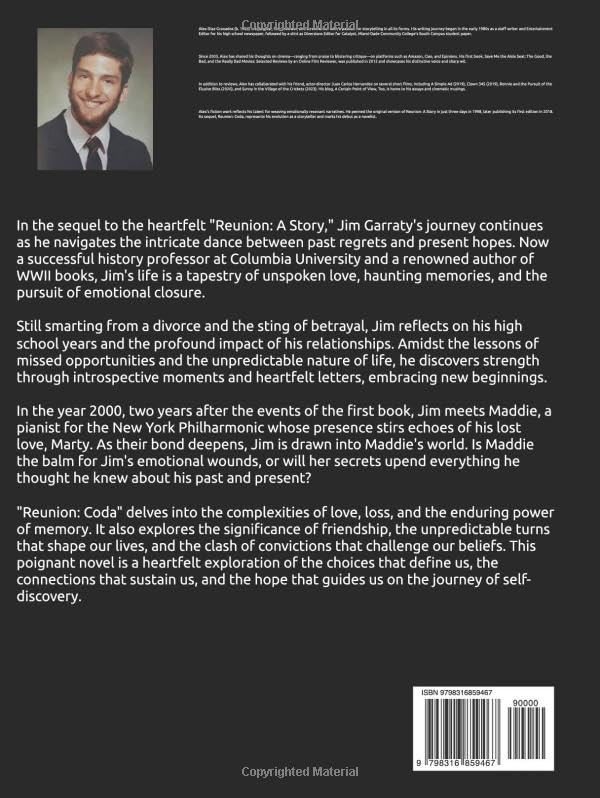
But don’t just take my admittedly biased word for it. Visit Reunion: Coda’s Amazon page and read what others have said, including this review by Kenyan historian, poet, and blogger Pooja Gudka:
Firstly, the writing was excellent. I felt drawn in from the moment I began reading, and I think it helped that I was already familiar with the characters. I appreciate that his writing is incredibly intelligent and well done without crossing the line into being pretentious.
I thought the themes that Alex Diaz-Granados chose to explore were very meaningful. Lost love, loss in general, being stuck in the past/memories of the past are things we can all relate to.
I enjoy the way Alex creates characters because they very much feel like real people. They have flaws and redeeming qualities just as most of us do.
I won’t go into the details of the plot because with books like this one, giving away too much can ruin the experience for other readers. But I will say there are some beautiful moments, some heavy moments, some thoughtful moments and, most importantly, the plot deals with the complex nature of relationships that humans have with one another. We crave love, social interactions, and connections, yet when we achieve them, things are often more complicated than we realize.
Another Perspective: Thomas Wikman’s Review
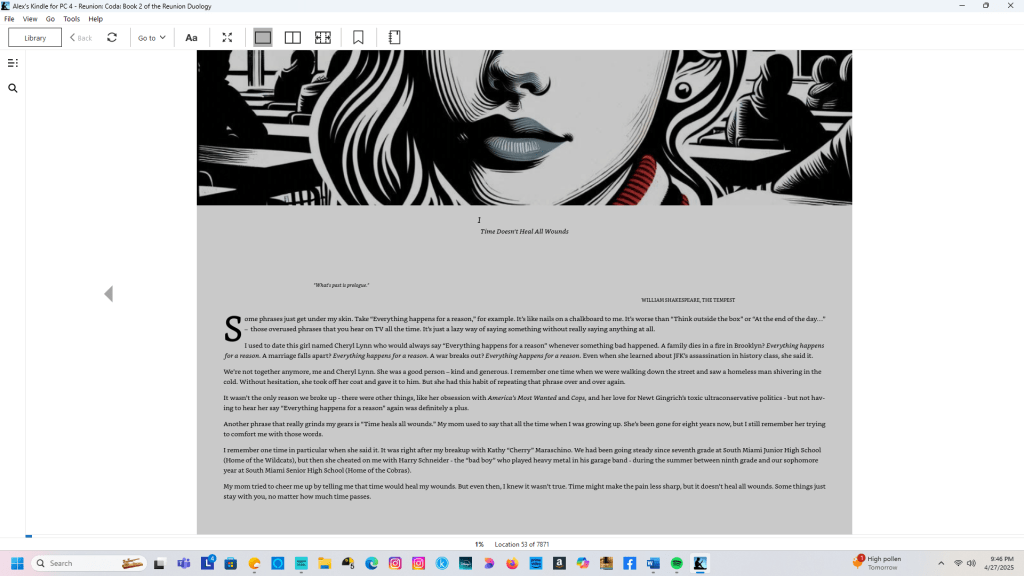
The following is my paraphrased version of Thomas Wikman’s recent Amazon review):
If you are considering ordering either Reunion: Coda or Comings and Goings, here is a recent Amazon review from Thomas Wikman (The Life and Times of Le Bronco von der Löwenhöhle):
This narrative follows Jim Garraty, a History Professor, across two timelines. One timeline addresses his high school experiences and relationship with Martina Reynaud, while the other focuses on his professional life at Columbia University, including past relationships and new connections, such as Maddie. The structure alternates between these periods, with clear shifts that link the timelines. The story integrates various subplots, including one about a student influenced by far-right propaganda. These elements contribute to the broader depiction of challenges in personal and professional contexts. The book explores themes like lost love, courage, disappointment, integrity, and forgiveness, suggesting that life contains both positive aspects and imperfections.
I am gratified to have maintained my commitment to writing despite significant challenges in my personal life, including two interstate relocations within a single year. During this period, I completed both a novel and a short story, aided by the fact that they are set within the same literary universe. There were moments of discouragement when I considered abandoning the project; however, the steadfast support of my friends Juan Carlos Hernandez, Denise Longrie, and others mentioned in the novel’s Acknowledgments section—combined with my determination to complete the Reunion Duology—enabled me to overcome obstacles and achieve my objectives.
And, you know, I honestly think I wrote something worth reading!
 A Certain Point of View, Too
Comments
3 responses to “Reflections on Revisiting My Writing”
I think rereading your own book just for fun is a good idea for many reasons. Thank you so much for including my review of your wonderful novel in your post. I am looking forward to more books from you.
LikeLiked by 2 people
There’s “Comings and Goings – The Art of Being Seen.” I don’t know when I’ll be able to work on a new story. Possibly after I move (ugh) to Cape Coral in September.
https://a.co/d/apgXNrD
LikeLiked by 2 people
Also…I agree that re-reading our own books for the sheer enjoyment of it is helpful, especially if we’ve done everything possible to make them enjoyable. Not perfect, mind you, but as carefully crafted as humanly possible.
LikeLiked by 2 people