Why the High School Chapters Matter: A Reflection (and Rebuttal)


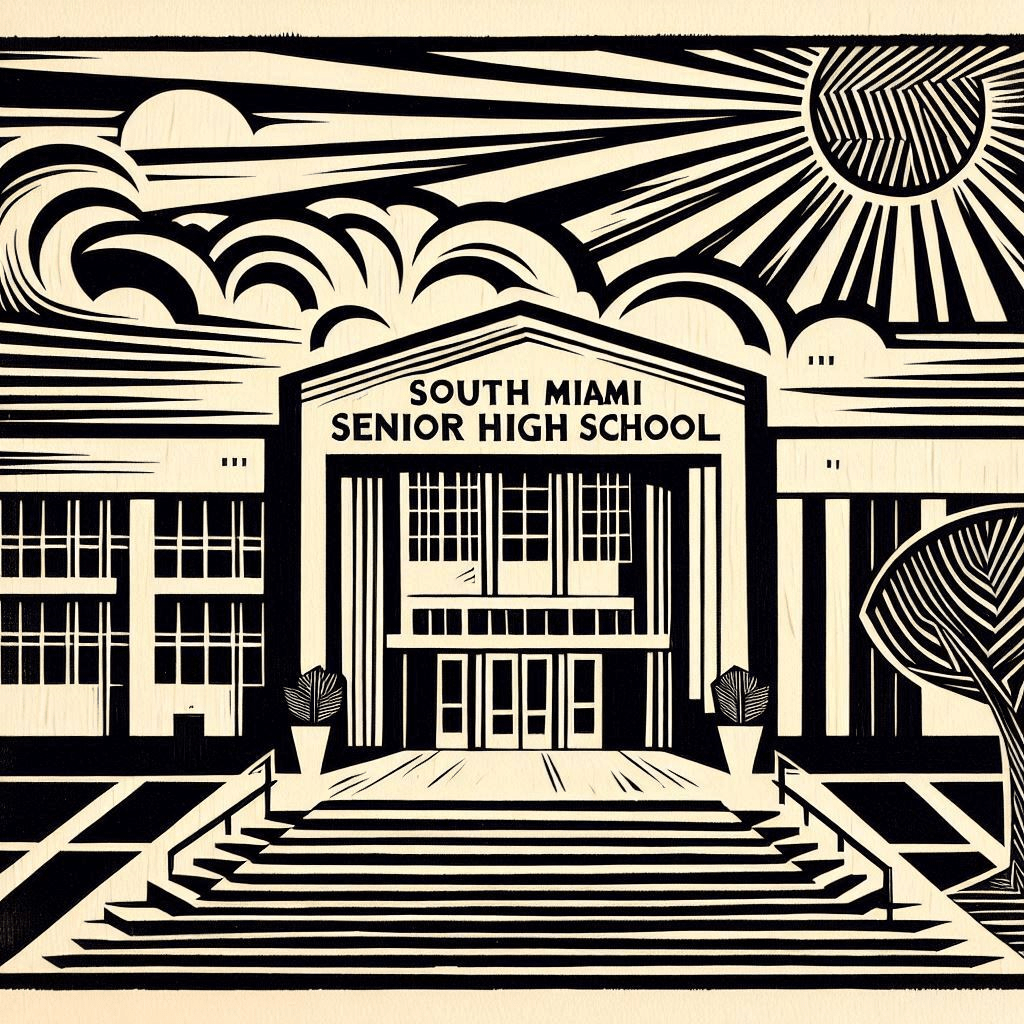
I didn’t hate high school. I didn’t romanticize it either—not like those who peaked there and never quite came down. But South Miami Senior High gave me something I didn’t expect: a sense of community. I sang in the choral department, wrote for the newspaper, helped shape the yearbook. I found my voice there, both literally and figuratively. Algebra class aside, it was a place where I learned how to listen, how to show up, and how to belong.

When I wrote Reunion: A Story and Reunion: Coda, I knew Jim Garraty’s high school years couldn’t be reduced to flashbacks or filler. They’re not just part of the story—they’re the emotional blueprint. Those chapters depict Jim’s quiet academic triumphs and romantic failures, as well as his lifelong bond with his best friend Mark.

Some readers may find those scenes surreal or unrelatable. I understand that. Not everyone looks back on adolescence with warmth. But for Jim—and for me—those years shaped how we love, how we grieve, and how we carry memory into the present.
The cafeteria lunches, the chorus rehearsals, the quiet moments in the classroom—they’re not just nostalgic details. They’re emotional crucibles. They show us how Jim became the man who writes letters he’s not afraid to send, who teaches history with reverence, and who still sings when no one’s listening.
Memory isn’t always comfortable. But in fiction, it’s often where the truth lives. The high school chapters in Reunion: Coda aren’t there to romanticize the past—they’re there to honor the emotional scaffolding that makes the present possible.
 A Certain Point of View, Too
You must be logged in to post a comment.