Why a Prologue Was Necessary: Reopening the Door to Jim Garraty’s Emotional Past
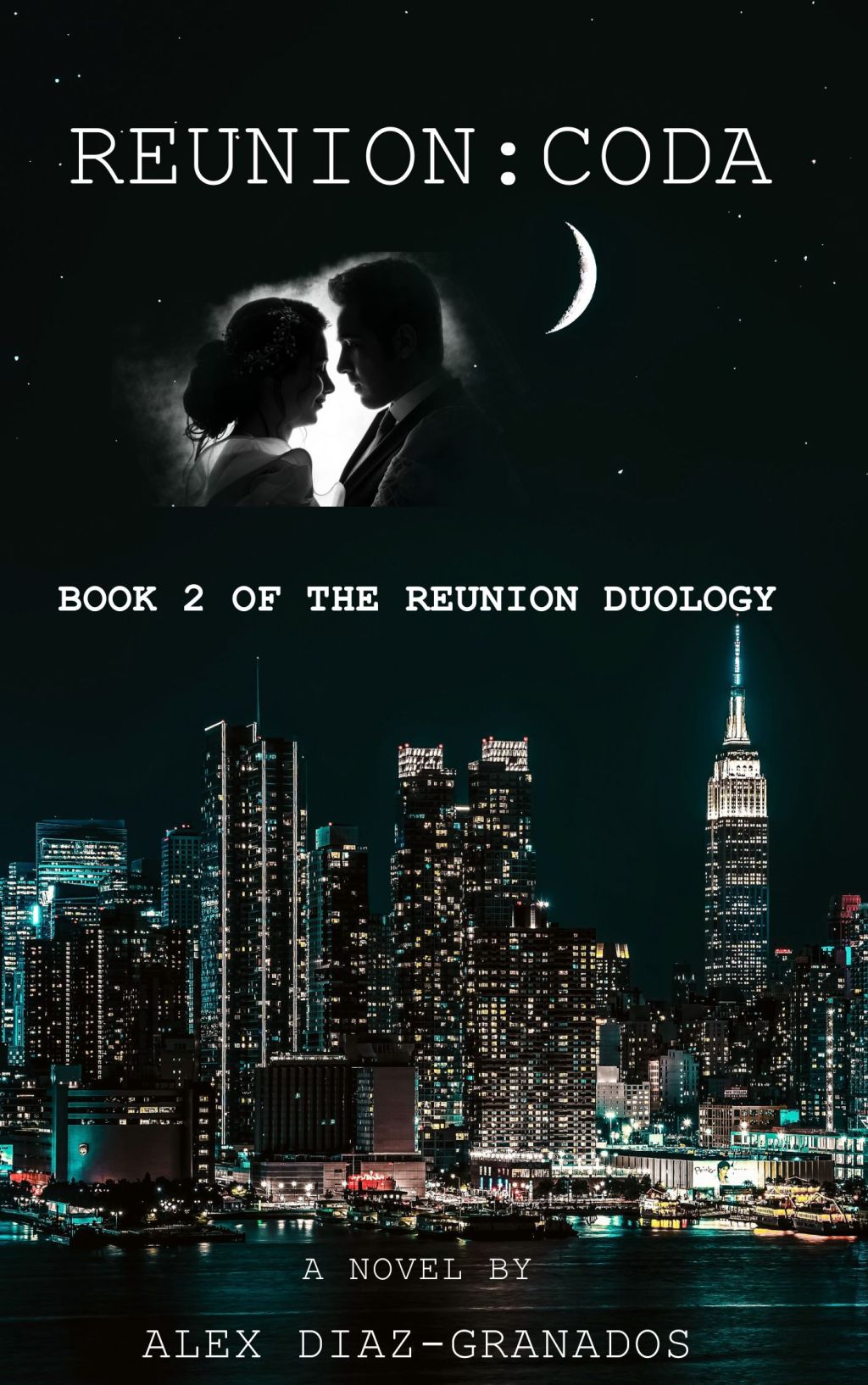
When I returned to the world of Reunion: A Story nearly 25 years after its original publication, I wasn’t simply revisiting old characters—I was confronting the emotional residue they left behind. Reunion: Coda demanded more than a sequel; it required a bridge. Not a mechanical recap, but a reentry point that honored the emotional architecture of the original while preparing readers for the deeper, more weathered tone of what was to come.
The prologue of Reunion: Coda was born out of that need. Structured as four vignettes, it doesn’t just summarize—it reinhabits. It reopens wounds, reactivates silences, and reestablishes the stakes that made Jim Garraty’s story worth telling in the first place. These scenes aren’t flashbacks—they’re ligaments of memory, stretching across decades to bind the emotional musculature of the Garratyverse.
Writing this prologue was my way of honoring the emotional truth of the original while acknowledging the passage of time—not just for Jim, but for me as a writer. It’s a reckoning, not a resolution. And it sets the tone for a novel that asks not how we move on, but how we live with what lingers.
🧩 Ligaments of Memory: How the Prologue of Reunion: Coda Reconnects the Garratyverse
When a story resumes after 25 years, it doesn’t just need a recap—it needs a reckoning. The four-vignette prologue of Reunion: Coda does exactly that. It doesn’t summarize Reunion: A Story so much as reinhabit it, stitching together memory, regret, and emotional continuity with surgical precision.
🕰️ A Recap That Refuses to Be Mechanical
Rather than offering a dry summary of past events, the prologue reintroduces Jim Garraty through the lens of emotional memory. We revisit:
- His heartbreaks (Cherry and Marty)
- His friendship with Mark Prieto
- His relationship with his mother
- His final days at South Miami Senior High
But these aren’t just plot points—they’re emotional echoes. Each vignette reactivates a wound, a silence, or a missed opportunity, reminding readers not just what happened, but why it still matters.
💔 Emotional Stakes, Re-Established
The prologue isn’t just connective tissue—it’s a ligament. It stretches across time, binding the emotional musculature of Reunion: A Story to the more weathered tone of Reunion: Coda. It sets the stakes by:
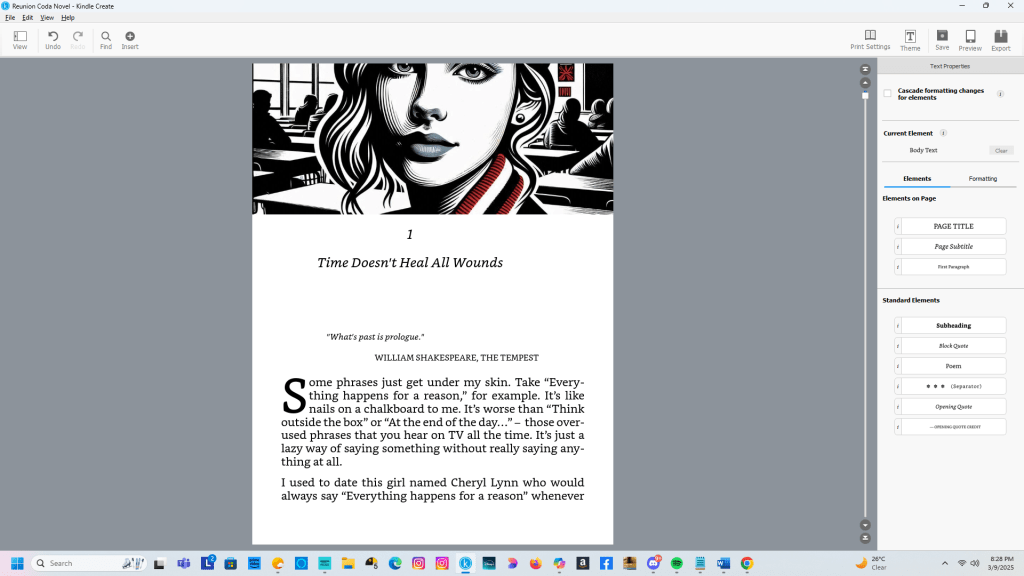
- Refuting platitudes like “Time heals all wounds”
- Revealing Jim’s emotional paralysis and fear of rejection
- Showing the quiet heroism of friendship and maternal grace
By the time the prologue ends, readers understand that Reunion: Coda isn’t about resolution—it’s about reckoning. Jim isn’t healed; he’s haunted. And that haunting is the emotional engine of the novel.
🧠 Why It Works
- Vignette structure: Each section is self-contained yet cumulative, allowing emotional themes to build organically.
- Voice: Jim’s narration is intimate, self-deprecating, and emotionally fluent. He’s not just telling us what happened—he’s showing us how it felt.
- Motif continuity: Marty, Mark, Cherry, and even Mrs. Finklestein and her cats—introduced in Vignette 3—serve as emotional anchors, grounding the narrative in lived texture.
✍️ Final Thought
The prologue of Reunion: Coda isn’t just a narrative necessity—it’s a literary act of emotional reanimation. It reminds us that memory isn’t passive; it’s active, aching, and alive. And it sets the tone for a novel that dares to ask: What do we do with the wounds time won’t heal?
 A Certain Point of View, Too
You must be logged in to post a comment.