

When Your Characters Feel Too Much: Writing Emotional Truth That Overwhelms Even the Author

There are nights when I sit with Jim Garraty—not as his creator, but as his witness. I wrote him. I shaped his world. And still, there are moments when his emotional clarity leaves me breathless. Not because he’s dramatic. Not because he’s broken. But because he feels things with a kind of quiet intensity that most fiction doesn’t allow men to feel.
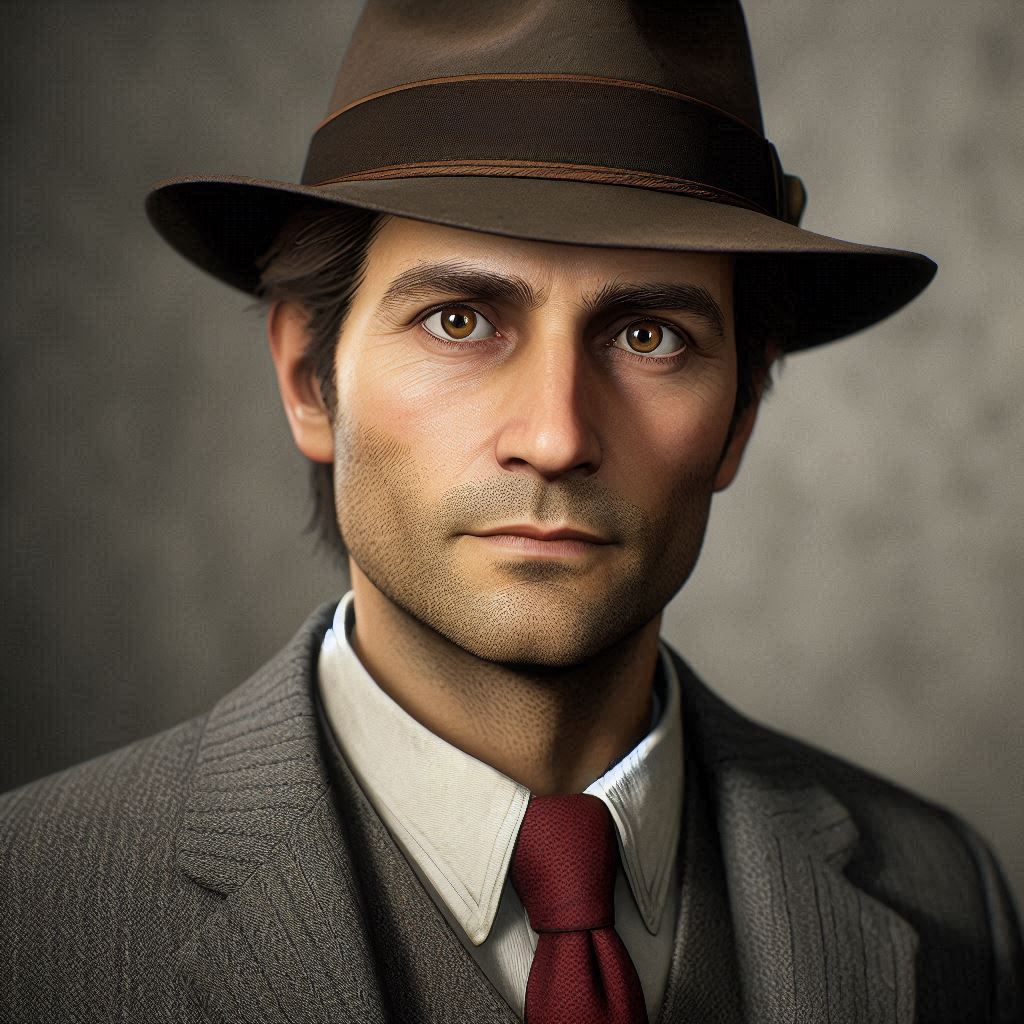


Jim flinches. He hesitates. He catalogues moments like a historian afraid of forgetting. He carries ghosts—not just of people, but of feelings he never got to finish. And when he loves, it’s not with bravado. It’s with reverence. With awe. With the kind of emotional fluency that makes me, the author, pause and ask: How did he get here?

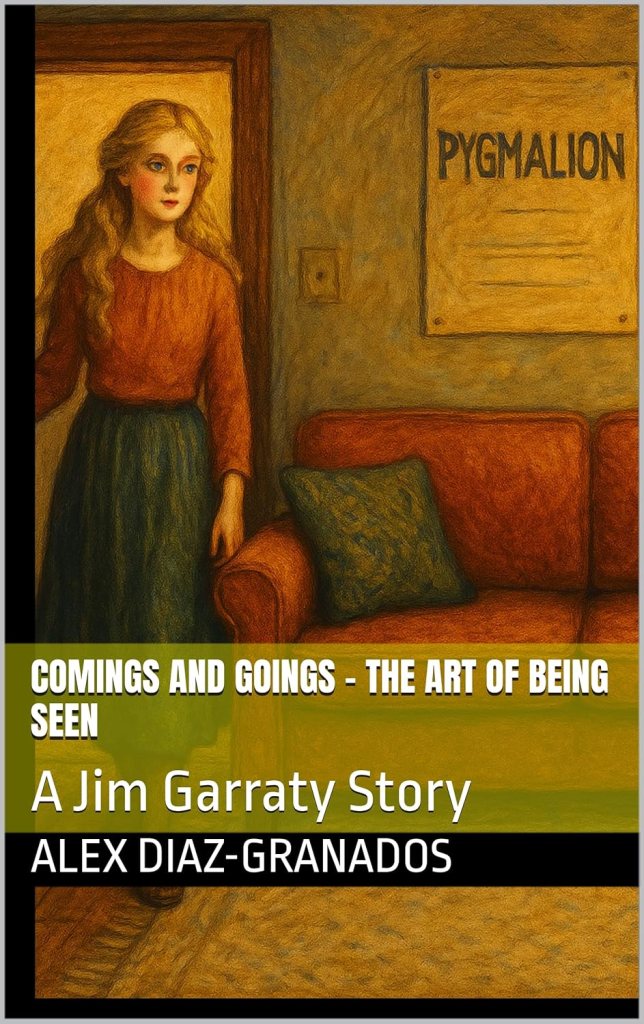
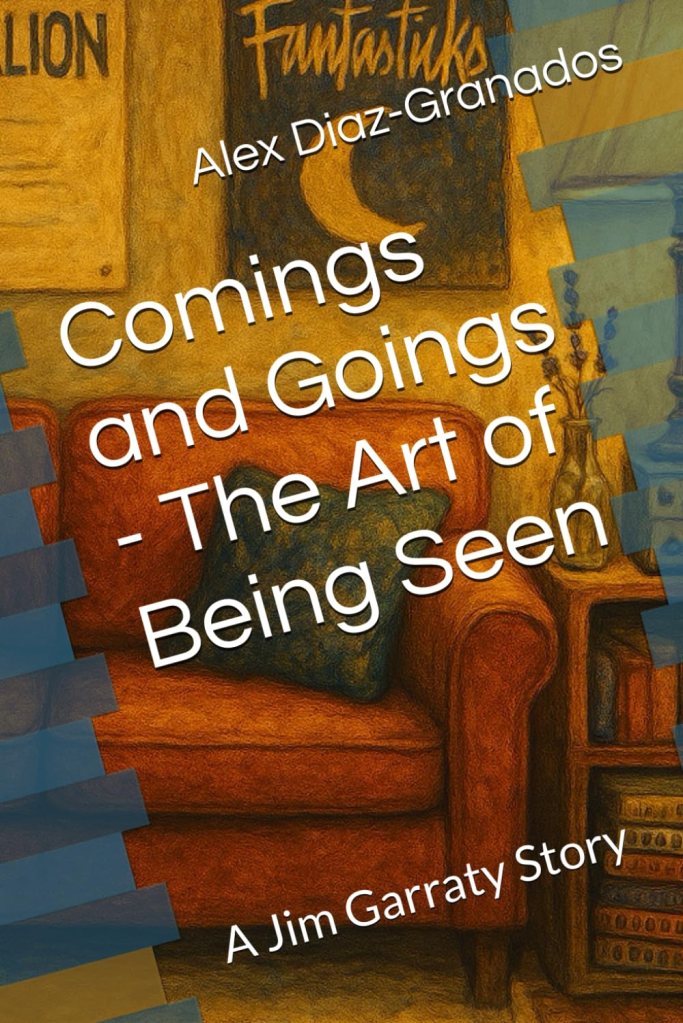
(C) 2025 Alex Diaz-Granados (Click on the image to purchase the paperback edition.)

I didn’t set out to write a romantic lead. I set out to write a man who remembers. Who regrets. Who learns how to stay. And sometimes, that journey overwhelms me. Because Jim doesn’t just reflect my imagination—he reflects my emotional truth. The things I’ve felt. The silences I’ve kept. The moments I’ve wished I’d been braver.

He’s not perfect. He’s insecure. He makes mistakes. He carries Marty longer than he should. He doubts whether he deserves Kelly’s grace. And yet, he grows—not in grand gestures, but in the way he stays. In the way he listens. In the way he lets himself be seen.
“Then it was perfect,” Kelly tells him. “You were kind. You were here. That’s what matters.”
That line still undoes me. Because it reframes intimacy not as performance, but as presence. Jim doesn’t need to be good at it. He needs to be in it. And Kelly sees that. Honors that. Stays with him—not to fix, but to witness.
Later, when Jim asks her why she chose to be with him, her answer is simple:
“Because I like you,” she says. “Because I needed to. And… because I think you needed this, too.”
No speech. No justification. Just emotional clarity. And Jim doesn’t respond with words. He responds with presence. With stillness. With the quiet grip of his hand in hers.
That’s the Garratyverse. Not spectacle. Not plot gymnastics. Just people, trying to be seen. Trying to love, remember, forgive, and stay present in the face of impermanence.
Even after Kelly leaves—softly, without promises—Jim doesn’t collapse. He carries her. Not as a wound, but as a grace. And when memory intrudes, when Marty’s echo returns through a piece of music or a scent in the air, Jim doesn’t banish it. He lets it have its minute. Because this night, this moment, will never be just one thing. And neither will he.
“She passed through my life like a song you only hear once—unexpected, perfect, and over before the chorus.”
That’s how I feel about writing Jim. He’s not just a character. He’s a vessel. For everything I’ve dared to feel, remember, and honor. And sometimes, yes—he overwhelms me. Because he’s real. Because he’s mine. Because he’s true.
 A Certain Point of View, Too
You must be logged in to post a comment.