
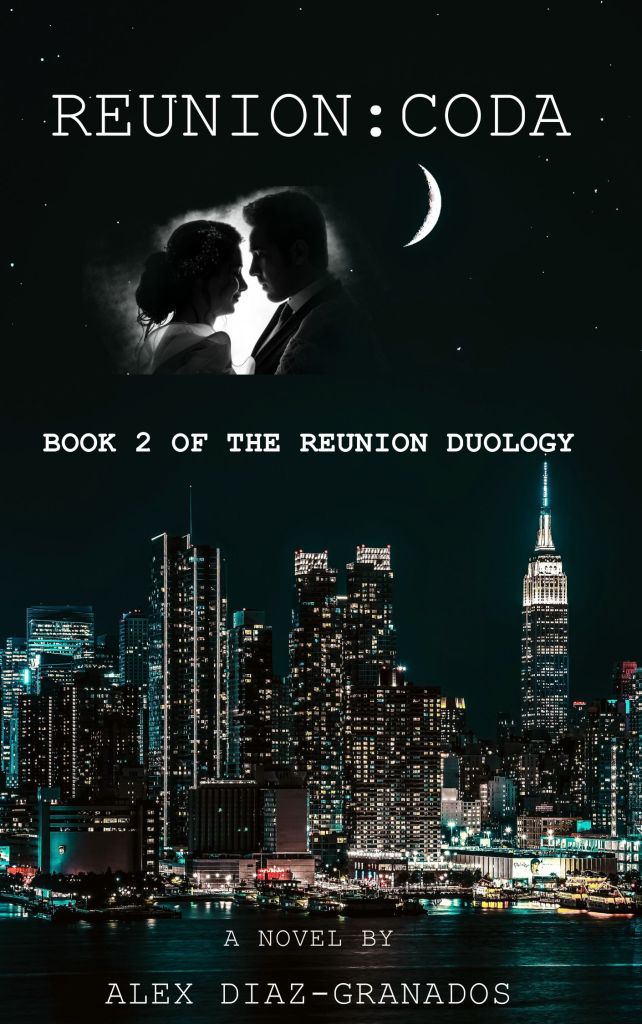
🎼 Writing the Coda: How Music, Memory, and Missed Chances Shaped Reunion: Coda

When I first wrote Reunion: A Story in 1998, I didn’t imagine it would become the central panel of a literary triptych. It was a novella born from grief, memory, and a quiet experiment in fiction—an elegy for a classmate lost too soon, and a meditation on the ache of unspoken love. I thought I was done.
But stories have their own cadence. And sometimes, a single melody demands a reprise.
🎬 Why I Returned to Jim Garraty
On my 60th birthday, I received an email from Peter Townsend—my old journalism professor and a father figure during my college years. He’d read Reunion: A Story and urged me not to let my fiction-writing talent fade. That nudge, coming from someone whose opinion still carries weight decades later, reignited something in me.
I didn’t want to write a sequel just to satisfy genre expectations or reader requests. I wanted to honor Jim Garraty’s emotional journey—his regrets, his growth, and the possibility of love after loss. Reunion: Coda became that space: a novel that stretches across decades and cities, from South Miami to Columbia University to a WWII-themed nightclub in Brooklyn. It’s not a continuation—it’s a resolution.
🎶 Music as Emotional Architecture
Music isn’t just a backdrop in the Reunion Duology—it’s the connective tissue. Jim and Marty meet in Mrs. Quincy’s choral class. Their harmonies, literal and emotional, shape the rhythm of their relationship. In Reunion: Coda, music continues to guide Jim’s path—especially when he meets Maddie, a gifted concert pianist, at the Moonglow Club.
The name “Coda” itself is a musical term—a tail, a closing flourish. It was inspired by The Godfather Coda: The Death of Michael Corleone, but it stuck because it fit. Music helped me write. It helped Jim heal. And it helped the story find its final note.
From Jerome Kern’s “Smoke Gets in Your Eyes” to the Big Band echoes of the Moonglow Club, every musical reference is deliberate. Some lyrics I couldn’t quote due to copyright, but their emotional resonance remains. Music, in this story, is memory made audible.
🕰️ Structure, Time, and Emotional Truth

Reunion: Coda isn’t told chronologically. It alternates between Jim’s high school years (1981–1983) and the early 2000s, when he’s navigating a new romance and a career-defining moment. The past is rendered in quiet flashbacks; the present unfolds in real time. This duality mirrors the way memory works—how we live in the now, but carry then.
I didn’t want to write a conventional romance. Reunion: A Story ends without a Happily Ever After, and that was intentional. It’s a story about hesitation, about the cost of silence. Reunion: Coda offers Jim a second chance—not to erase the past, but to grow from it.
📚 Writing What I Know, Honoring What I Feel
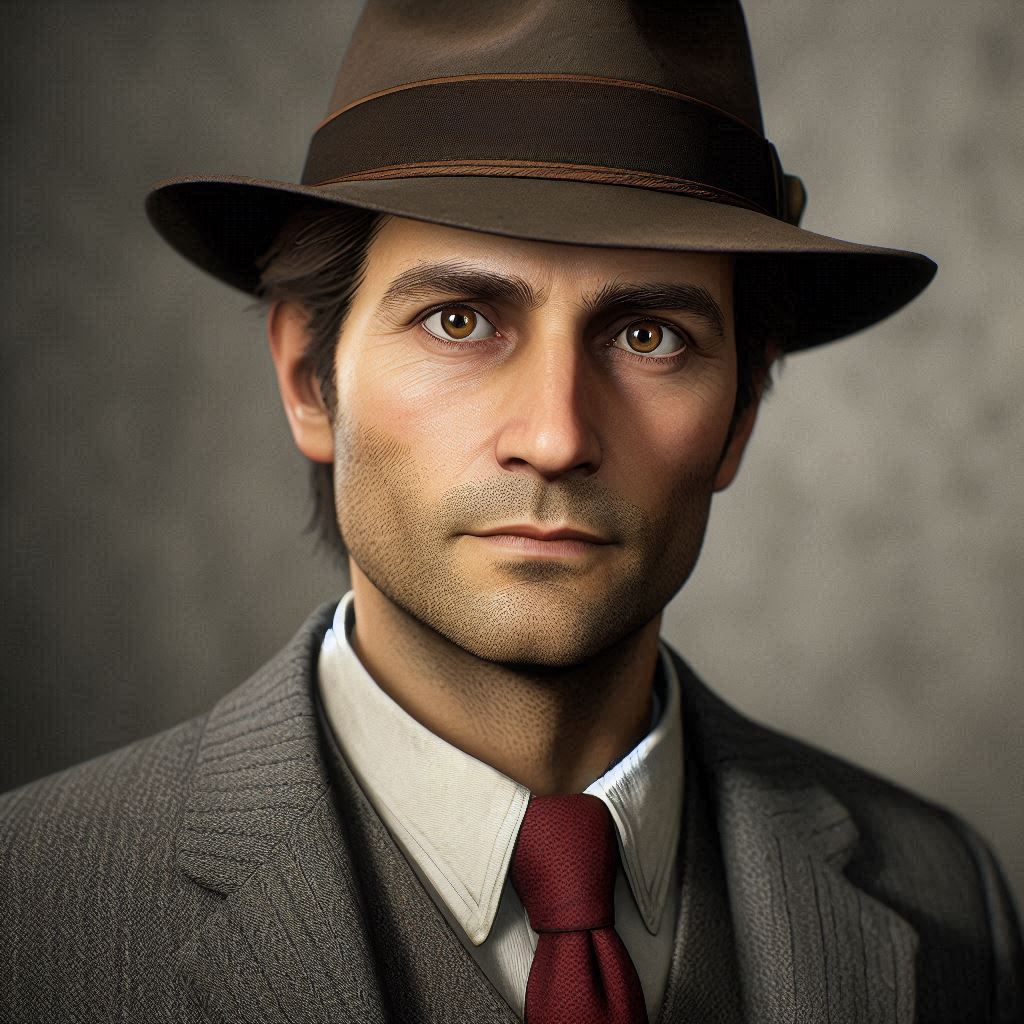
Jim Garraty is a history professor because I needed him to be someone I could write truthfully. I gave him my passion for WWII history, my love of learning, and my emotional fluency. But he’s not me. He’s braver in some ways, more flawed in others. He’s a vessel for questions I’ve asked myself: What if I’d spoken up? What if I’d tried again?
The novel is long—over 460 pages—and it took 25 months to write. But every chapter is a conversation with my younger self, every scene a reckoning with memory.
💬 What I Hope Readers Take Away
I don’t write with a message in mind. But if Reunion: Coda leaves readers with anything, I hope it’s this:
- That missed chances don’t have to define us.
- That friendship, especially between men, can be a sanctuary.
- That music, memory, and emotional honesty are worth fighting for.
And above all, that stories—like lives—don’t always resolve neatly. Sometimes, they end with a coda. Not a conclusion, but a grace note.
 A Certain Point of View, Too
You must be logged in to post a comment.