

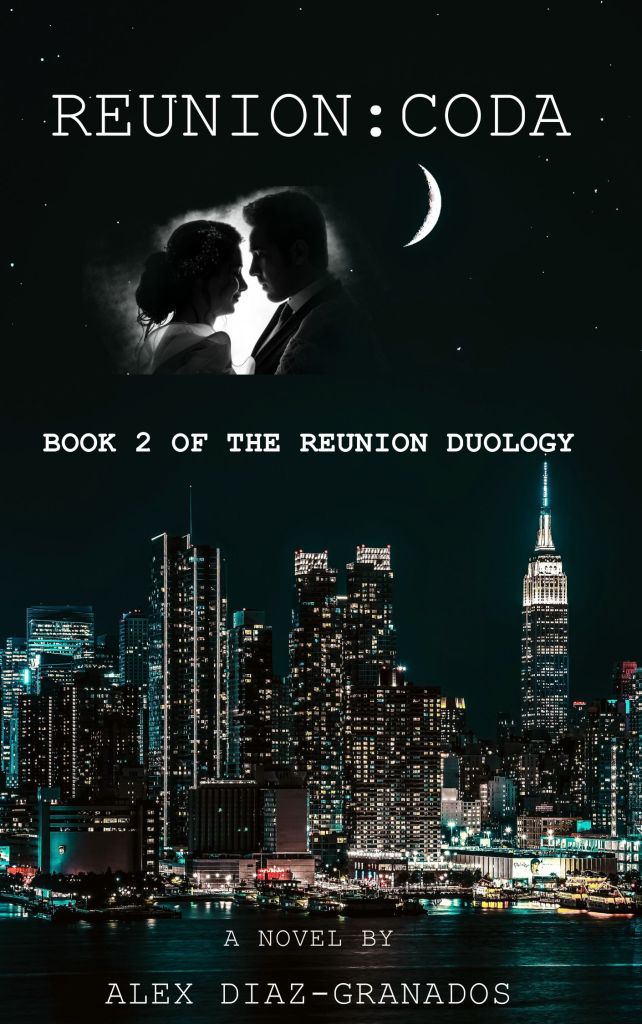
Checkpoint Received: A Milestone for Reunion: Coda
Vignette I: Time Doesn’t Heal All Wounds
I woke up to a quiet thrill this morning—a message from Stefan (Steve) Lee confirming that the 15-minute checkpoint for Reunion: Coda is already in progress. For those following along, Coda is the longest and most emotionally layered of the three Reunion projects, and this early momentum is both surprising and deeply encouraging.
Steve’s note was simple: the checkpoint sample should land in my ACX message box by Saturday night. If it doesn’t, he’s already offered to resend. That kind of care and clarity is exactly why I trust him with this story.
What makes this moment especially meaningful is that I’d braced myself for a longer wait. Coda carries the weight of memory, aftermath, and emotional inheritance—it’s not a light lift. I expected Steve to take his time settling into the cadence and emotional logic of the piece. But here we are, ahead of schedule, with a sample on the horizon.

Once the checkpoint arrives, I’ll listen closely and send in my notes. This is where the real collaboration begins—where tone, pacing, and emotional presence start to take shape. I’ll be sharing updates as we go, including reflections on the performance and how it honors the lived texture of the story.
To mark this milestone, I’m sharing the first of four vignettes that link Reunion: Coda to Reunion: A Story. These aren’t just transitional scenes—they’re emotional bridges. This one’s personal. It’s called:
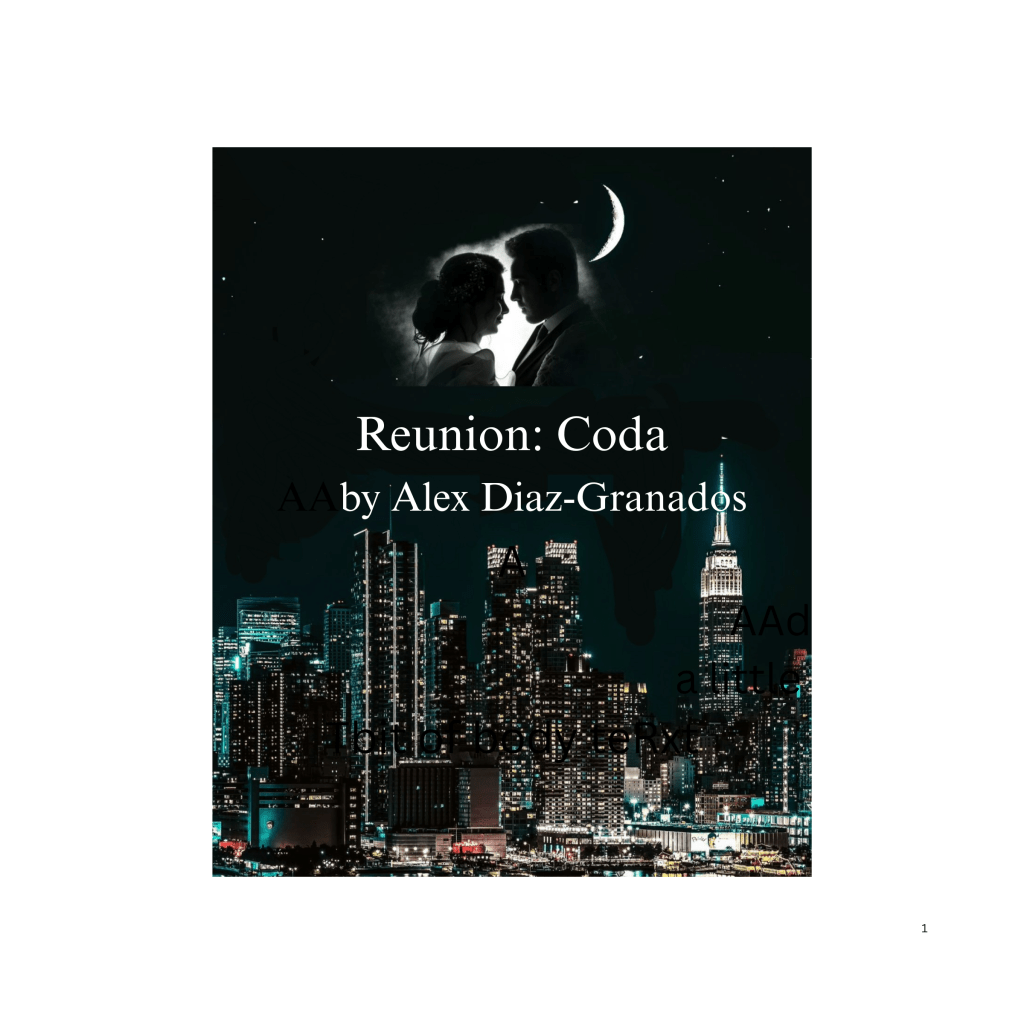
Time Doesn’t Heal All Wounds
“What’s past is prologue.” —William Shakespeare, The Tempest*
Some phrases just get under my skin. Take “Everything happens for a reason,” for example. It’s like nails on a chalkboard. Worse than “Think outside the box” or “At the end of the day…”—those overused phrases you hear on TV all the time. It’s a lazy way of saying something without really saying anything at all.
I used to date this girl named Cheryl Lynn who would always say “Everything happens for a reason” whenever something bad happened. A family dies in a fire in Brooklyn? Everything happens for a reason. A marriage falls apart? Everything happens for a reason. A war breaks out? Everything happens for a reason. Even when she learned about JFK’s assassination in history class, she said it.
We’re not together anymore, me and Cheryl Lynn. She was a good person—kind and generous. I remember one time when we were walking down the street and saw a homeless man shivering in the cold. Without hesitation, she took off her coat and gave it to him. But she had this habit of repeating that phrase over and over again.
It wasn’t the only reason we broke up—there were other things, like her obsession with America’s Most Wanted and Cops, and her love for Newt Gingrich’s toxic ultraconservative politics—but not having to hear her say “Everything happens for a reason” again was definitely a plus.
Another phrase that really grinds my gears is “Time heals all wounds.” My mom used to say that all the time when I was growing up. She’s been gone for eight years now, but I still remember her trying to comfort me with those words.
I remember one time in particular when she said it. It was right after my breakup with Kathy “Cherry” Maraschino. We had been going steady since seventh grade at South Miami Junior High School (Home of the Wildcats), but then she cheated on me with Harry Schneider—the “bad boy” who played heavy metal in his garage band—during the summer between ninth grade and our sophomore year at South Miami Senior High School (Home of the Cobras).
My mom tried to cheer me up by telling me that time would heal my wounds. But even then, I knew it wasn’t true. Time might make the pain less sharp, but it doesn’t heal all wounds. Some things just stay with you, no matter how much time passes.
This vignette is a confession, a reckoning, and a quiet refusal to let platitudes overwrite lived experience. It’s the second emotional tether between Coda and A Story, and it sets the tone for what’s to come: memory as testimony, grief as presence, and storytelling as a ritual of care.
More soon.
 A Certain Point of View, Too
You must be logged in to post a comment.