How one missing passage reminded me I’m still editing—even when I’m reading
“We write the books we most want to read; so it is of no surprise that we may still want to read those books sometime later.” — Hannah Fielding
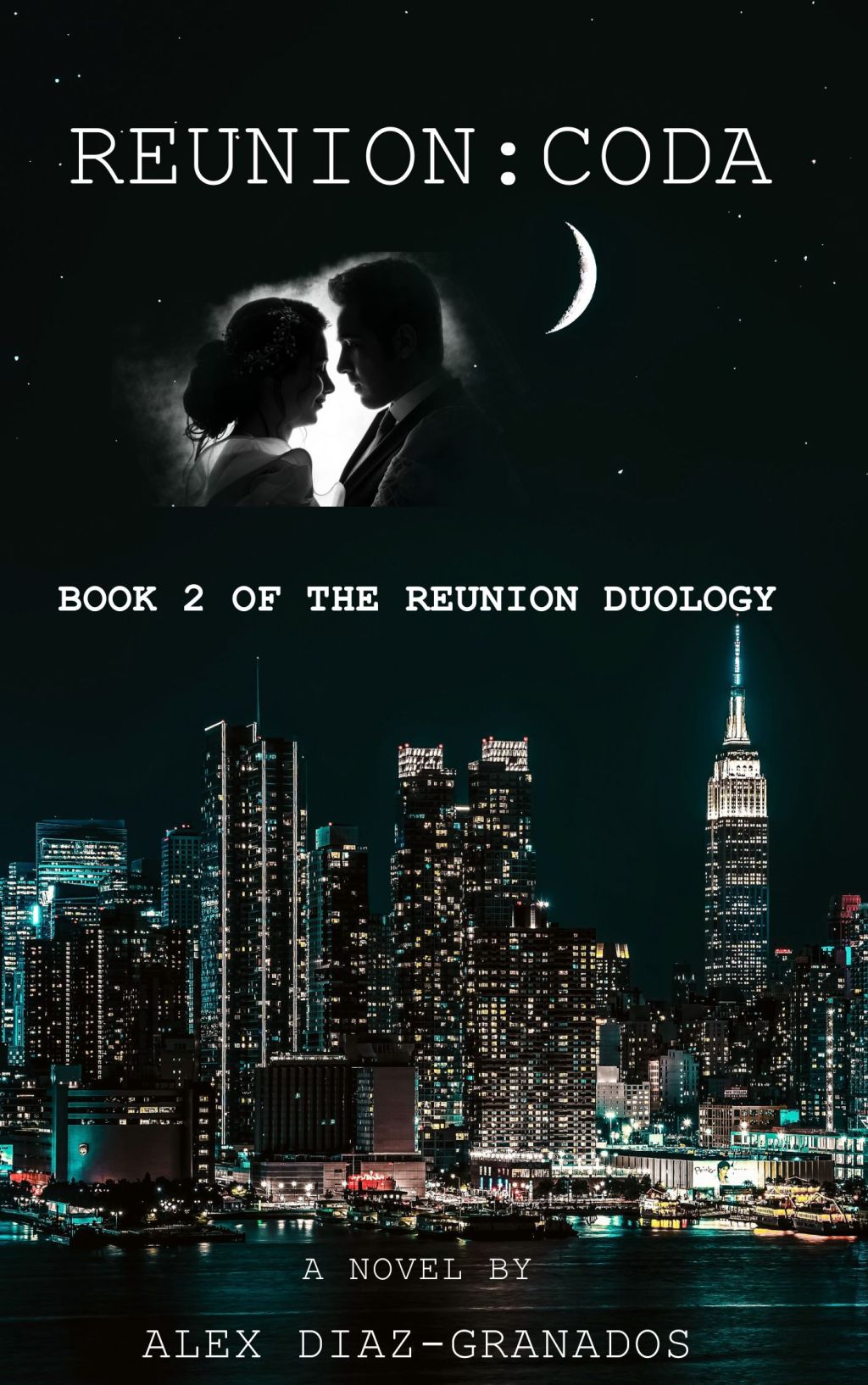
I’m a writer. Not a household name, not a bestseller (yet), and certainly not someone whose royalties could fund a yacht—but I believe I’m good at what I do. If you browse the reviews of my books on Amazon—especially my three works of fiction—you’ll find readers who’ve connected deeply with my stories and characters, particularly Jim Garraty, the narrator and emotional compass of Reunion: A Story, Reunion: Coda, and Comings and Goings – The Art of Being Seen.

Blogger and author Pooja Gudka once wrote that I have “a talent for making characters that are extremely realistic. They don’t feel like two-dimensional characters on paper when you read them. They feel like real people that you can connect with.” Others have praised the pacing, the lyricism, and the way joy and sorrow often share a paragraph like old friends catching up. That’s high praise for a relatively unknown, self-published writer—and I’m grateful for every word.

But here’s the twist: I have a hard time reading my own stories for pleasure. Especially Reunion: Coda. It’s not that I dislike the writing or that I’ve grown tired of the characters. I’m not Margaret Atwood, who once said she can’t read her own work because she remembers every step she took to write it. I’m more in the Hannah Fielding camp—“I wrote the book because no one else had written it”—with a dash of Wilbur Smith, who famously said, “Right now I’m reading my favorite author—Wilbur Smith.”
(Okay, I wouldn’t go that far. I don’t curl up with my own books like they’re cozy mysteries I’ve never met. But I won’t pretend I never revisit them either.)
Still, it often takes a year or two before I can sit down and read something like Reunion: Coda without slipping into editor mode. It’s not about disliking a scene or regretting a line of dialogue—I’ve already done the hard work of pruning what doesn’t resonate and keeping what does. I do this with every piece I write, even blog posts like this one. But especially with fiction. And especially with Coda.
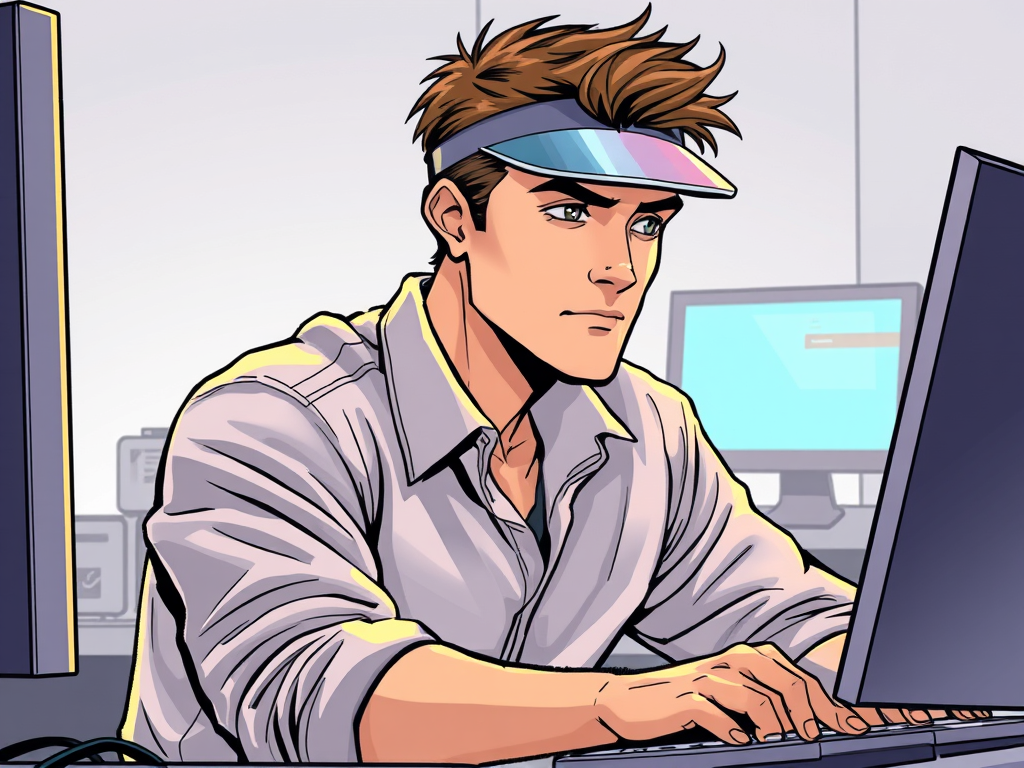
The real challenge is reading my own work as if I didn’t write it. I’ll settle in, determined to enjoy the story like any other reader, and then—bam—I spot a rogue comma, a missing period, or a character who’s suddenly called “Susan” when she was clearly “Stephanie” three chapters ago. It’s like trying to enjoy a painting while noticing the brushstrokes you forgot to smooth out. Even the smartest spellcheckers can’t catch every little gremlin that sneaks past during the endless rounds of revision.
This past weekend, I gave myself permission to read Reunion: Coda—not as a writer, but as a reader. For a while, it worked. I was drawn into the chapter where Jim and Maddie are driving to his Midtown Manhattan apartment in the Metropolis Arms. The setting felt right. The dialogue was crisp. I was, dare I say, enjoying myself.
And then, like a pothole on a familiar road, something jarred me. A transition I distinctly remember writing—where Maddie asks Jim how far away they are—was missing. Gone. Vanished. The rhythm I’d intended was interrupted, and I felt that familiar tug of “Wait… where did that go?”

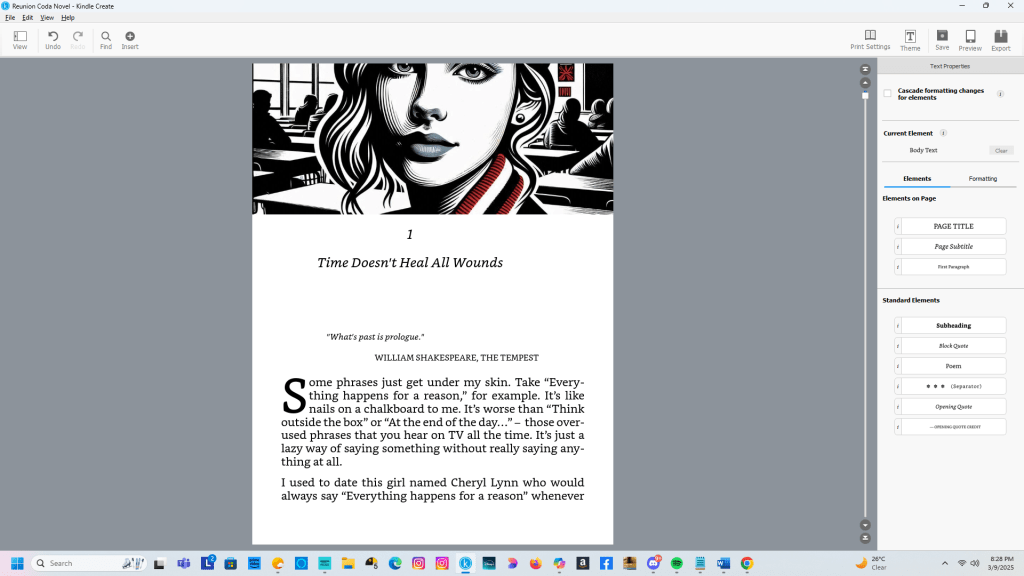
Luckily, I still had the original manuscript saved in Word. I found the missing two-sentence passage, pasted it back into Kindle Create, and uploaded the revised file to Kindle Direct Publishing. The Kindle edition is now updated, and the paperback and hardcover should follow suit by tomorrow morning.
This isn’t the first time I’ve had to play literary detective. It’s happened with Reunion: Coda since its release in April, and it was a recurring theme with Reunion: A Story from 2018 through late 2023. Even Comings and Goings, the novelette I wrote this summer, had its share of hiccups. Thankfully, I caught them. And now, I can say with confidence: it’s a pleasant read.
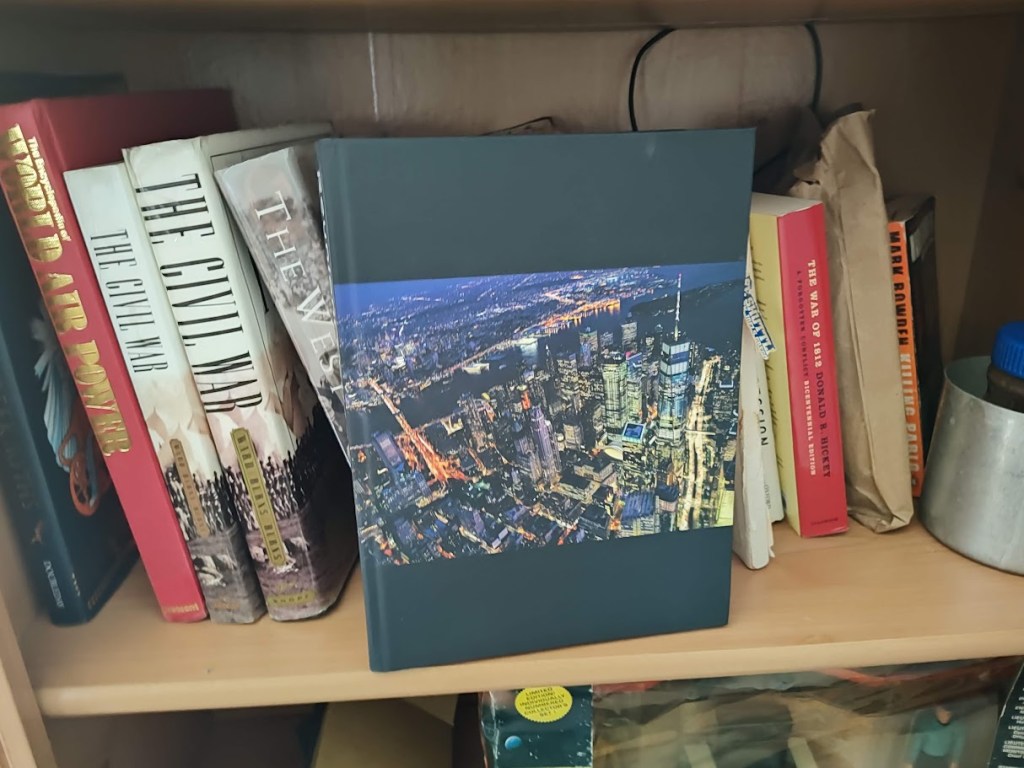
Someday—hopefully soon—I’ll be able to pick up my Fire tablet or a hardcover copy of Reunion: Coda and read it without flinching. Without spotting another typo. Without wondering if I left a scene half-dressed. Just me, the story, and the quiet joy of being a reader again.
It’s a bittersweet irony, isn’t it? The very act of writing and perfecting a story can make it harder to revisit with fresh eyes. Once you’ve seen behind the curtain, the magic doesn’t disappear—it just changes shape. But with each revision, each quiet fix, I’m sculpting the book into something I can be proud of. Not just as its creator, but—eventually—as one of its readers.
🧠 Sidebar: Why Didn’t I Notice the Missing Passage?
Turns out, even writers fall victim to something called change blindness—a cognitive quirk where the brain fills in what it expects to see, especially in familiar material. In editing, it’s often called editorial blindness. After spending months (or years) with a manuscript, your mind remembers the story so vividly that it can “see” passages that aren’t actually there. It’s like reading with ghost ink.
So when I missed that two-sentence transition in Reunion: Coda, it wasn’t carelessness—it was my brain playing fill-in-the-blank with memory. A reminder that even the most attentive writers need fresh eyes, time, and a little grace.
 A Certain Point of View, Too
You must be logged in to post a comment.