
🌇 “The Last Afterschool Walk Home”: Writing Friendship, Farewell, and the Emotional Geography of South Miami High
This is a story I don’t tell often; I’m a private man, and I don’t like to spill my guts about my love life, or lack thereof. I’m fine with talking in front of a crowd – whether it’s my history students at Columbia University or the folks who come to hear me read from my latest World War II book at the bookstore. But when it comes to the women who have broken my heart, or the one who never knew she had it, I keep that to myself.
The only other person – besides you, now – who knows the truth about the letter and what I did with it and why is my best friend, Mark Prieto.
Mark wasn’t there that day in June of ’83 when I met Marty for the next-to-last time in the chorus room at South Miami High School. I don’t know what would have happened if he had walked in on us, on me and the girl I loved more than anything but was too chicken to tell her. But I know Mark, he’s been like a brother to me since we were kids at Kinloch Park Elementary, and he would have done something. He would have tried to make me confess my feelings to her before it was too late.
But I was young and dumb, scared of my feelings, still hurting from Kathy – she had dumped me three years before, and I still hadn’t gotten over it – and I had let the whole year slip by without making a move on Marty. And then there we were, alone in the chorus room – Room 136, I still remember the number on my schedule – and we kissed. It was the first time we ever did. And I knew I had screwed up. I had set myself up for a fall. No one – not Mark, not Marty, not even God – could have saved me from the mess I had made of my own heart.
I can still see it in my mind, even after 20 years. South Miami High, that canary yellow bunker on the corner of Southwest 53rd Street and Southwest 68th Avenue. It was a short walk from the house where I lived with my mom, Sarah Garraty, ever since my dad died in the early years of America’s lost crusade in South Vietnam. I didn’t need a bike or a car to get there. It was close enough to smell the cafeteria food and hear the bell ring. “Cobra Country” was a warehouse for 2100 kids and 150 grown-ups, as one of the Cobras joked once. It was built in 1971, when the world was going crazy with wars and scandals and generational strife. It had three floors of classrooms, chemistry labs, a library, a student publications room, a Little Theater for the drama classes, an auditorium for the various choirs and modern dance groups, and walls lined with rows of lockers. It was a place full of secrets and surprises. It was where life happened, for better or worse.
Mark walked with me that day, our last day of high school. He didn’t say much. He knew I was hurting. He knew I was losing Marty, and that I was feeling downright shitty about it. She was leaving for London with her family after graduation. She would be gone for the whole summer, maybe forever. I would be gone too, heading north to Harvard, to start a new life without her. Mark knew all that, but he didn’t say anything. He just walked with me, like a true friend.
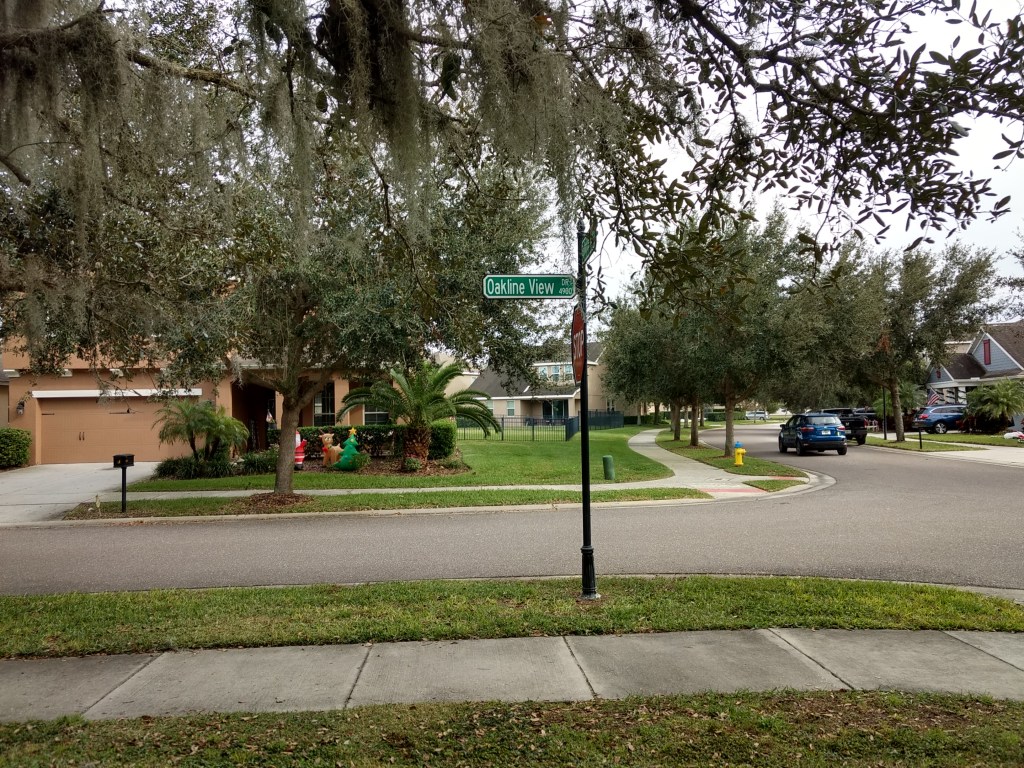
Mark and I stood in front of his house, half a block away from mine. We had walked from school in silence – for the last time, my brain kept reminding me. We had already said everything that needed to be said about “the thing with Marty” and the letter. Mark would never admit it, but he was just as sad as I was that our carefree youth had come to an end. We were known in school as the Twins from Different Families because we had been best friends since sixth grade. Now, we would probably not see each other for a long time once I left Miami for the chilly embrace of Cambridge.
As we stood on the sidewalk, just a few yards away from his front porch, Mark finally broke the silence. “Are you going to be okay, Jim?” His blue eyes, usually sparkling with wit or wisdom, were now a dimmer shade of grey-blue – a sure sign that Mark was truly worried or sad.
I sighed. “Yeah,” I said unconvincingly. “I’ll be okay, pal.” – The Last Afterschool Walk Home, Reunion: Coda
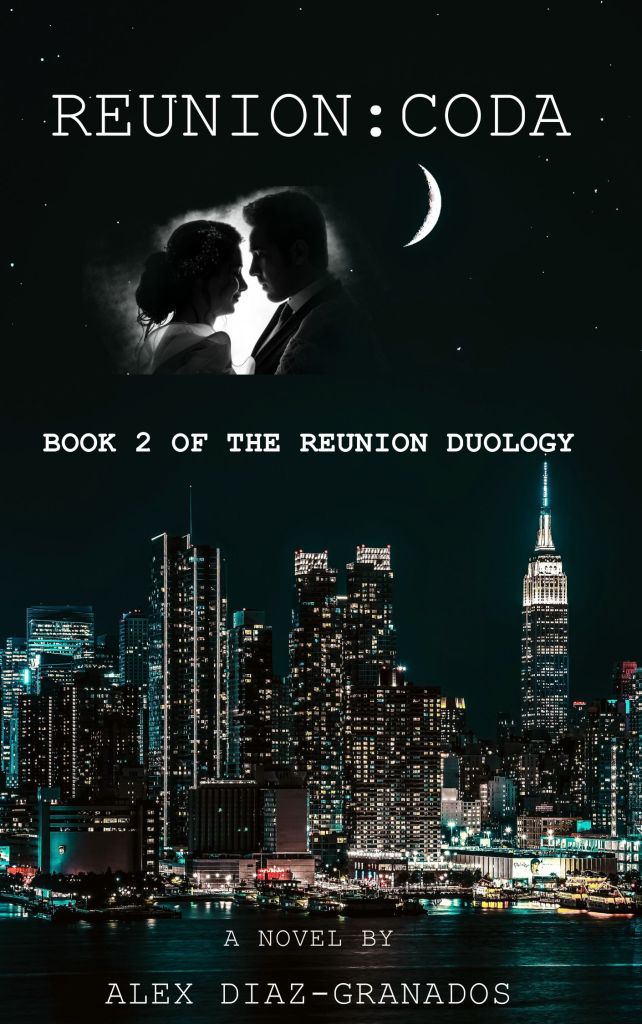
When I wrote Reunion: Coda, I knew the prologue had to do more than recap events—it had to feel. It had to carry the emotional inheritance of Reunion while quietly preparing readers for the ache and ambiguity that follow. That’s why I included The Last Afterschool Walk Home—a vignette that doesn’t advance the plot so much as it deepens the emotional architecture.
This scene isn’t about action. It’s about presence. About two boys—Jim and Mark—walking home one last time, knowing that everything is about to change. Jim is heartbroken over Marty, still reeling from the kiss that came too late. Mark knows this, but he doesn’t push. He doesn’t pry. He walks. That’s the kind of friendship I wanted to honor: one built on emotional fluency, not exposition.

Mark’s quiet companionship is a motif I return to often in my work. He’s not just Jim’s best friend—he’s his emotional steward. The one who sees the pain but doesn’t demand a performance. The one who offers to walk Jim all the way home, not because Jim needs protection, but because he needs to be seen. That offer—“You sure you don’t want me to walk you to your front door?”—isn’t just a line. It’s a benediction. A gesture of care.

And then there’s the setting. South Miami High isn’t just a backdrop—it’s emotional geography. The “canary yellow bunker,” the chorus room, the lockers, the cafeteria smells—they’re vessels of memory. I wanted readers to feel the weight of that place. To understand that this isn’t just a walk home—it’s a farewell to adolescence.
The final exchange—Mark’s Han Solo impression, Jim’s laugh, the flipped bird—is the emotional hinge of the scene. It’s the last flicker of boyhood before the curtain falls. It’s humor as armor. It’s love, disguised as banter.
As a novelist, I believe in emotional realism. I believe in restraint. I believe that sometimes, the most devastating scenes are the quiet ones. The ones where nothing happens—except everything.
The Last Afterschool Walk Home is one of those scenes. It’s not a climax. It’s a coda. A moment of communion between two boys who know they’re about to become men. And it’s a reminder that sometimes, the bravest thing we can do is walk beside someone in silence.
 A Certain Point of View, Too
You must be logged in to post a comment.