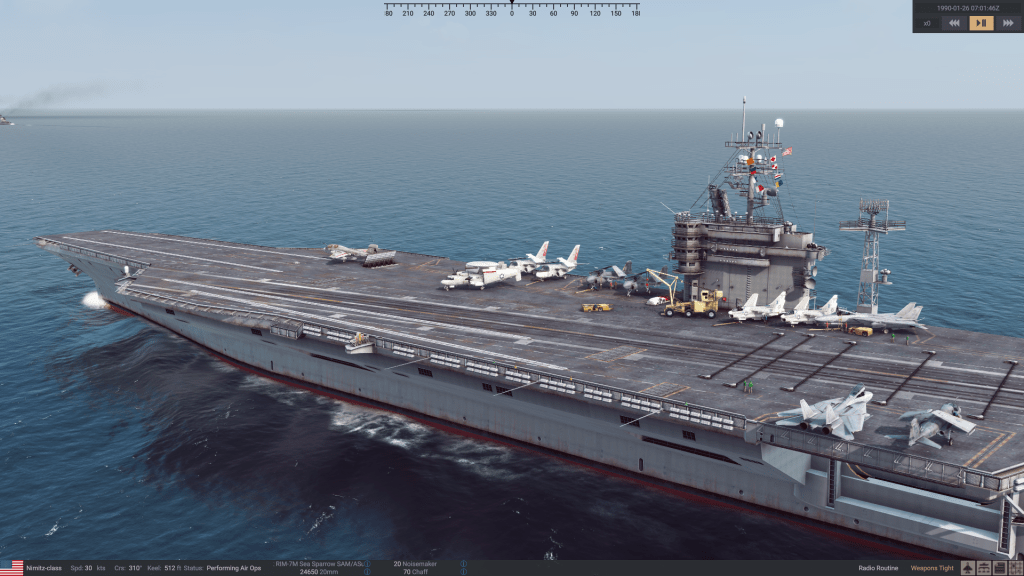

⚓ Carrier: Tom Clancy’s Guided Tour of American Sea Power
Tom Clancy’s Carrier, the sixth installment in his Guided Tour nonfiction series, offers readers a vivid exploration of the U.S. Navy’s most iconic asset: the aircraft carrier and its accompanying battle group (CVBG). More than six decades after Pearl Harbor signaled the end of battleship dominance, the carrier—with its 70+ aircraft and powerful escorts—remains the most versatile and visible symbol of American military might at sea.
🚢 Inside the “Big Stick” of Foreign Policy
Clancy, joined by longtime collaborator John D. Gresham, takes readers behind the curtain of naval operations. From the Pentagon office of Admiral Jay Johnson (then Chief of Naval Operations) to the bustling flight deck of the Nimitz-class USS Harry S. Truman, the book details the carrier group’s role in modern strategy. Each ship and aircraft is introduced in turn, underscoring how the CVBG functions as the “big stick” every President has relied upon since World War II.

✈️ A Navy in Transition
Published in 2000, Carrier captures the Navy at a moment of change.
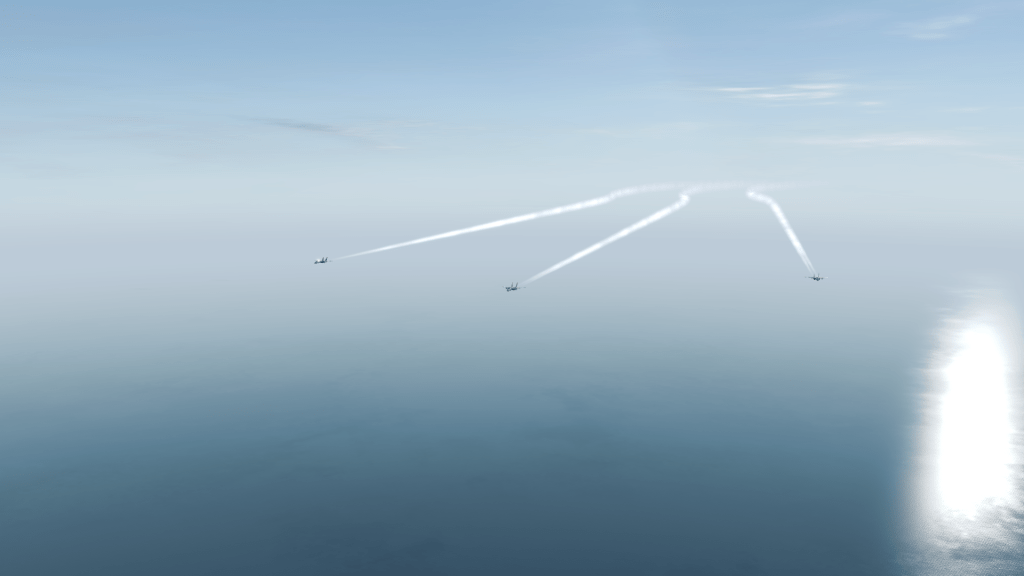
- Strike pilots were shifting missions from the venerable A-6 Intruder to the F/A-18 Hornet and Super Hornet.
- The legendary F-14 Tomcat, immortalized by Top Gun, was nearing retirement after three decades of service. Despite its reputation, the Tomcat never fired its long-range Phoenix missile in combat.
- The book also looks ahead to the development of the Joint Strike Fighter, foreshadowing the next generation of naval aviation.
⚙️ Steel, Power, and People
Like the other Guided Tour volumes, Carrier devotes chapters to the nuts and bolts of naval engineering: the design, construction, and nuclear power plant of the Nimitz-class carrier, as much as security restrictions allow. Yet Clancy never loses sight of the human dimension. He highlights the training, discipline, and daily lives of the sailors and aviators who make the CVBG more than just steel and machinery—it is a living, breathing community at sea.
📖 Fiction Meets Forecast
True to form, Clancy closes with a short fictional vignette. This time, he imagines a world in 2016 where the United States faces a sudden confrontation with India following a nuclear clash between India and Pakistan. It’s speculative, brisk, and designed to show how quickly carriers can be thrust into global crises.
💬 Final Thoughts
Clancy’s admiration for the armed forces is unmistakable, but Carrier succeeds as both primer and portrait. It explains why carriers remain indispensable to American strategy and why, in moments of crisis, Presidents have always asked: “Where are the carriers?”
 A Certain Point of View, Too
You must be logged in to post a comment.