
On Writing and Storytelling: How One Story Became Three
“I write for the same reason I breathe: Because if I didn’t, I would die.” — Isaac Asimov
As 2025 barrels toward its inevitable finale and a newborn year waits impatiently in the wings, I find myself doing my best Janus impression—gazing backward and forward at once, neck creaking, heart thudding like it’s trying to keep time with two different clocks.
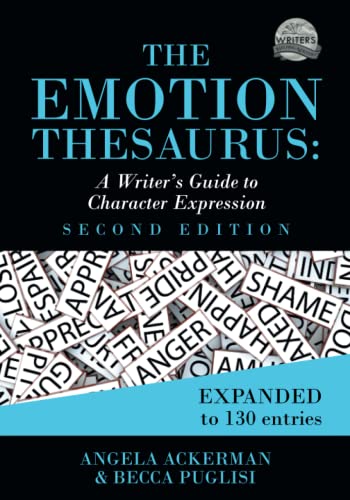
Picture this: Three years ago, December 2022. I was staring down the wreckage of a year that felt like it had been designed by a cosmic prankster with a grudge. My proudest piece of writing? A blog post about my first girlfriend in early 1970s Miami. That was after I’d tried—and spectacularly failed—to hammer out my first novel. I was angrier than a hornet in a Coke can, and just as depressed. I’d shelled out for at least three “how‑to” books on writing, including the 20th‑anniversary edition of Stephen King’s On Writing. I’d even buried myself in nonfiction about the Battle of Normandy and war correspondent Ernie Pyle for a project I grandly titled The Tonic of Their Victory. And where did all that ambition land me? With three limp chapters of a half‑baked novel—so bad I dragged them down to the digital underworld myself, muttering curses like a man taking out the trash at midnight.
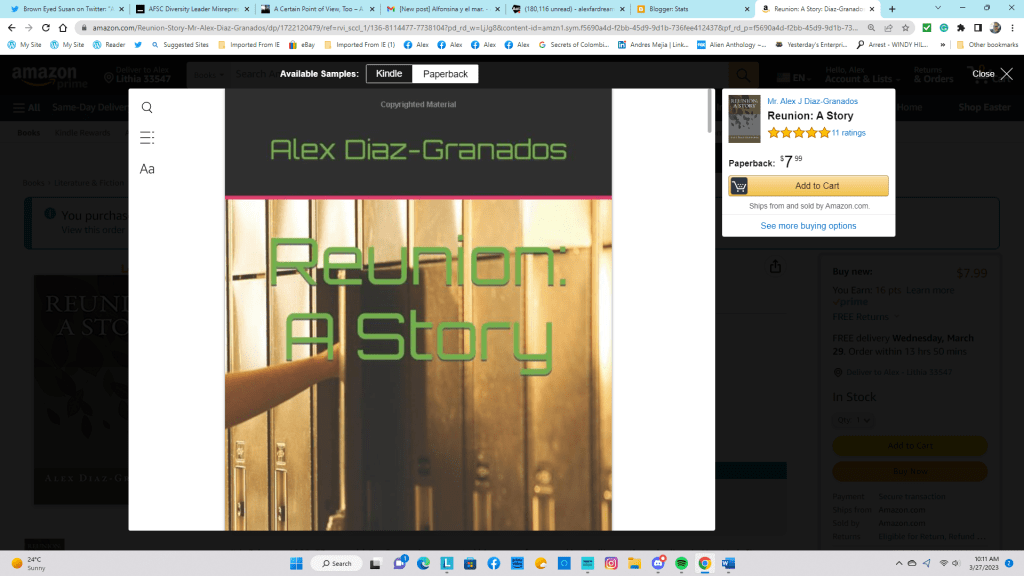
Then, between March and April 2023, something shifted. I clawed my way out of the creative pit by taking on two related literary projects, both sparked by an email from my now-retired journalism professor at Miami Dade Community College, Peter C. Townsend.
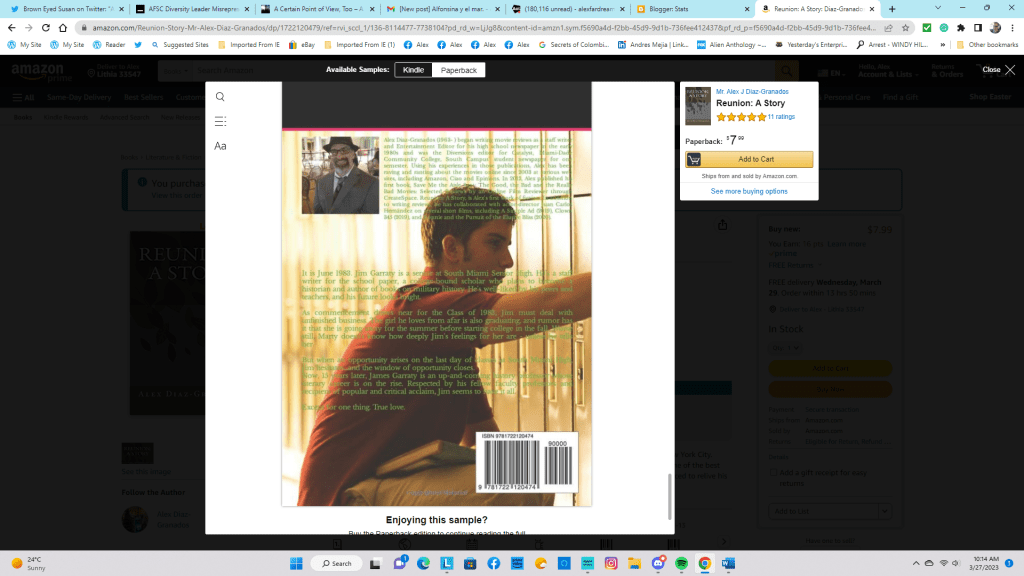
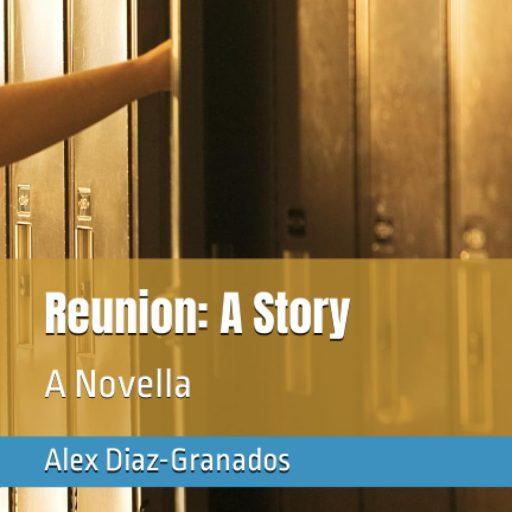
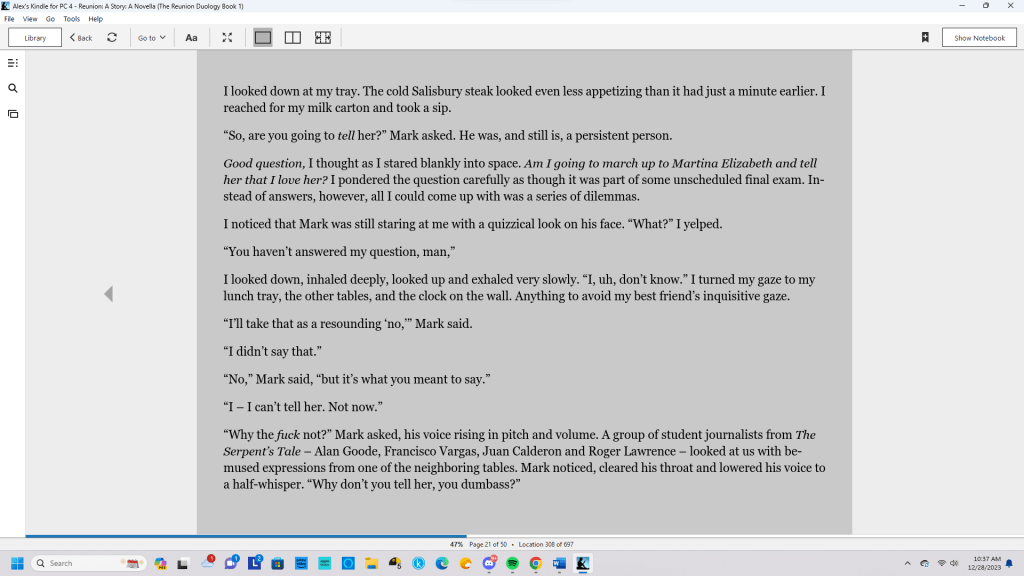
The first project was modest: revise and re‑publish my self-published novella, Reunion: A Story.
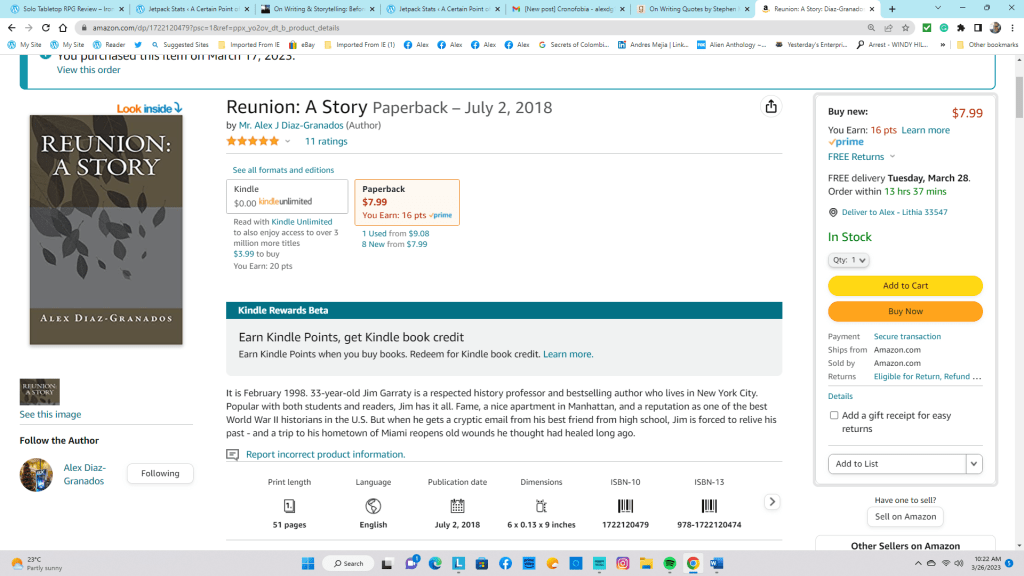
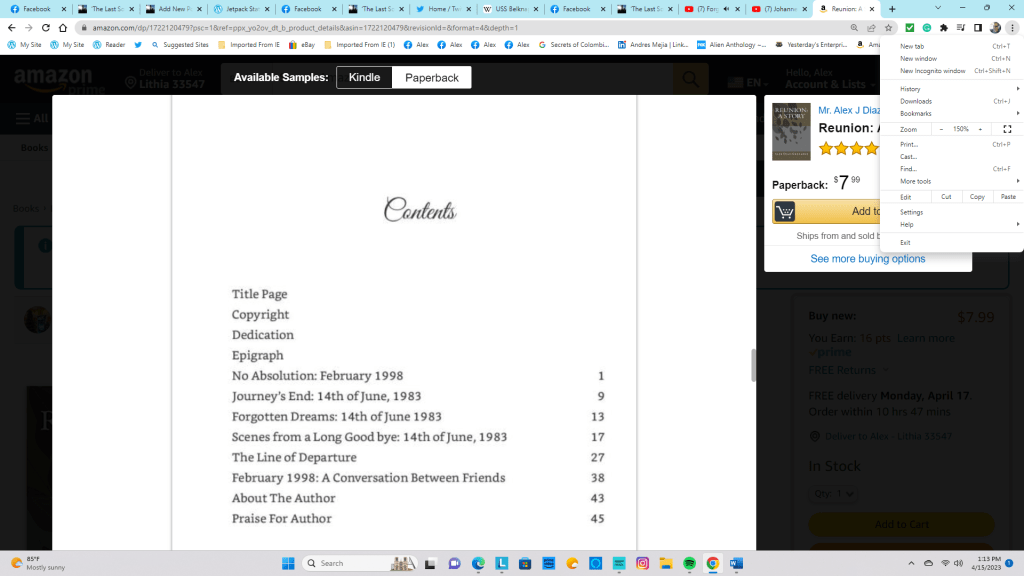
Here’s the thing about Professor Townsend: when he tells you he enjoyed something you wrote, he means it. No sugarcoating, no “good job, champ,” no pat on the head for effort. He’s the kind of reader who makes you want to rise to the occasion—a tough‑but‑fair craftsman with a keen eye for what sings and what needs sanding. He devoured the original 2018 edition and told me how much he liked it, but he also rolled up his sleeves and pointed out the fixes: the missing copyright page (oops), the absurdity of Jim Garraty’s Midtown apartment hovering on the third floor when it clearly needed a 33rd‑floor view, and a few other gremlins that had slipped past me. He wasn’t nitpicking. He was helping me polish a story that had found a place in his heart—the kind of story he’d want to hand someone and say, “Read this.”







(Also, I didn’t meet that publication deadline!)





(C) 2025 Alex Diaz-Granados
(C) 2025 Alex Diaz-Granados

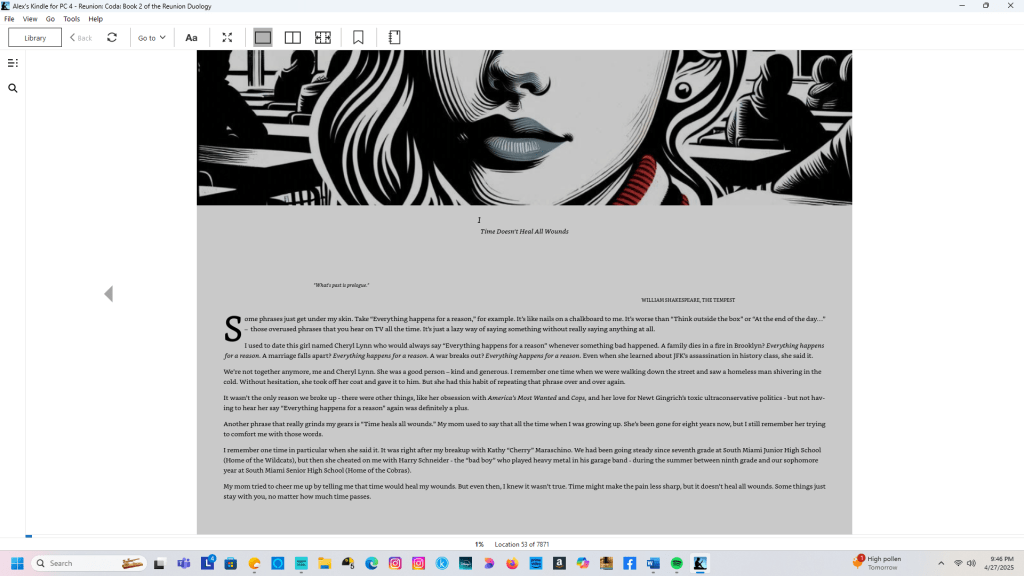

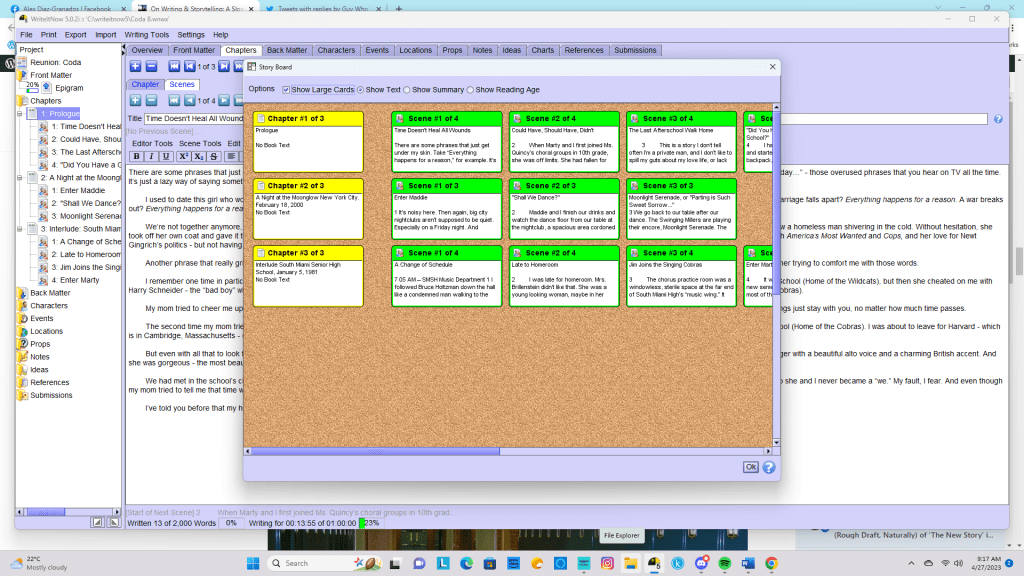
I spent several days renovating Reunion: A Story into something resembling the edition now available on Amazon and other fine online bookstores. But it wasn’t until early 2024—while I was trying to adjust to the snowbound quiet of rural New Hampshire—that I finally smoothed out the last wrinkles in what is now Book One of the Reunion Duology.
As I mentioned in the afterword to Reunion: Coda, Professor Townsend didn’t just drop a compliment and vanish. He sent follow‑up emails—encouraging me for toughing out the revisions, nudging me to keep the momentum. He wasn’t demanding more Jim Garraty stories. His message was simpler, sharper: Don’t waste the talent you’ve got. Keep writing.
That advice echoed for weeks. I toyed with resurrecting The Tonic of Their Victory, since I hadn’t quite brought myself to delete those three awkward chapters. Maybe, I thought, I could salvage something. But five months away had drained the life out of that world—the characters ghostly, their voices faint, the hedgerows and foxholes as inviting as chewing gravel. So, with a muttered “To hell with this,” I finally sent the manuscript to digital oblivion.
Still, the urge to write a novel burned in my chest. Not a grand historical epic this time. Something smaller. Closer to the bone. A story I could actually wrangle—one that felt personal enough to keep me awake with anticipation instead of dread.
(C) 2018 Alex Diaz-Granados

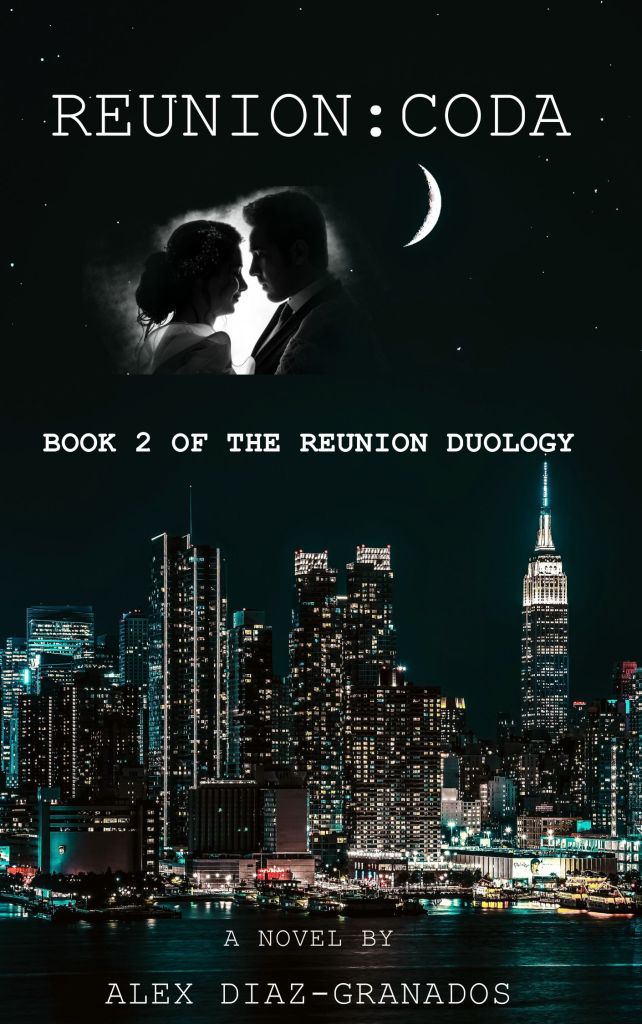
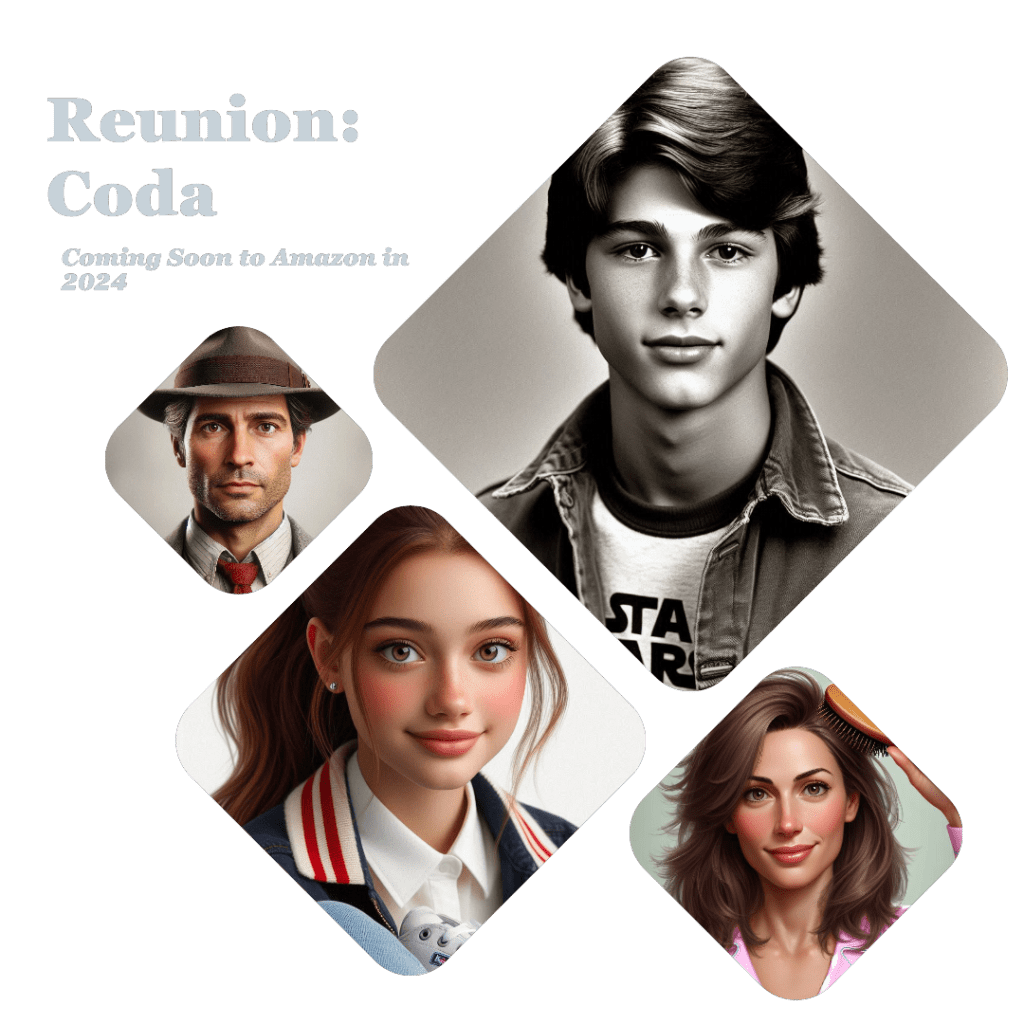
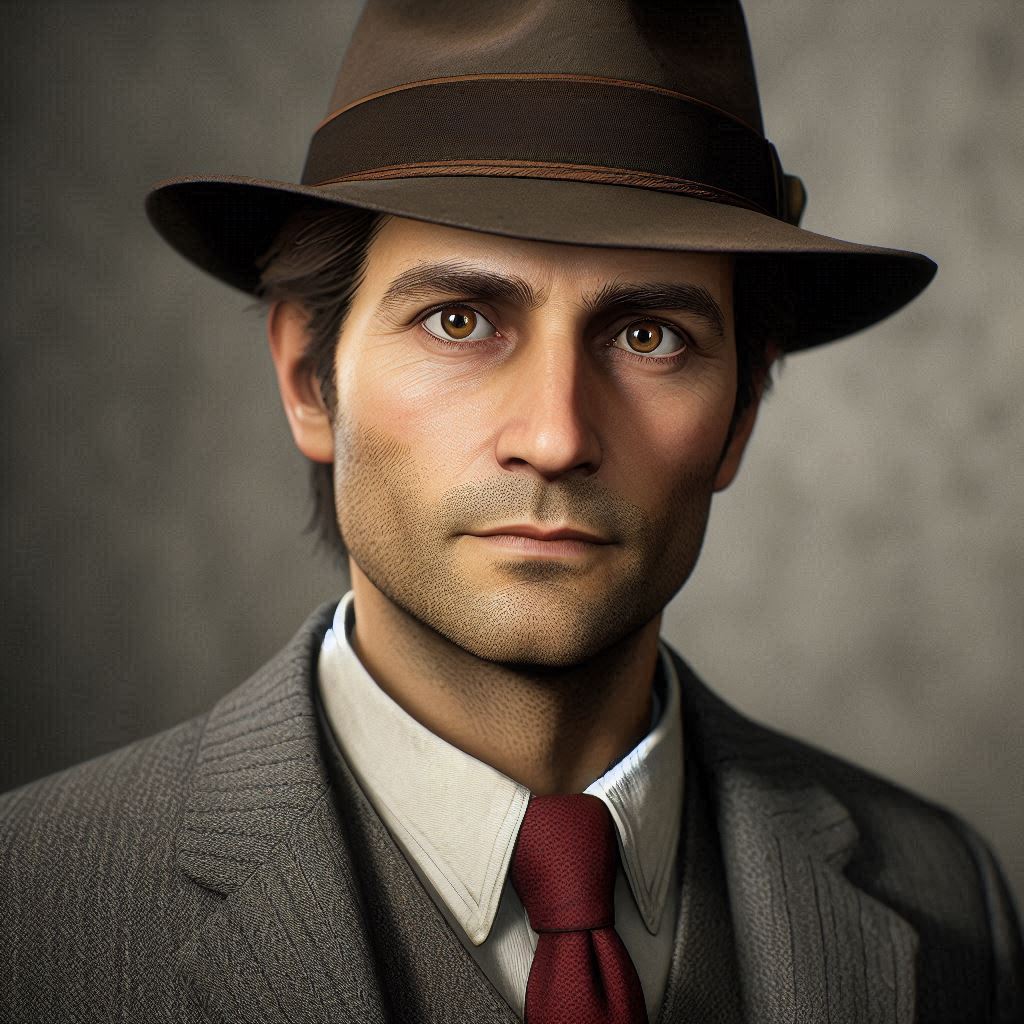
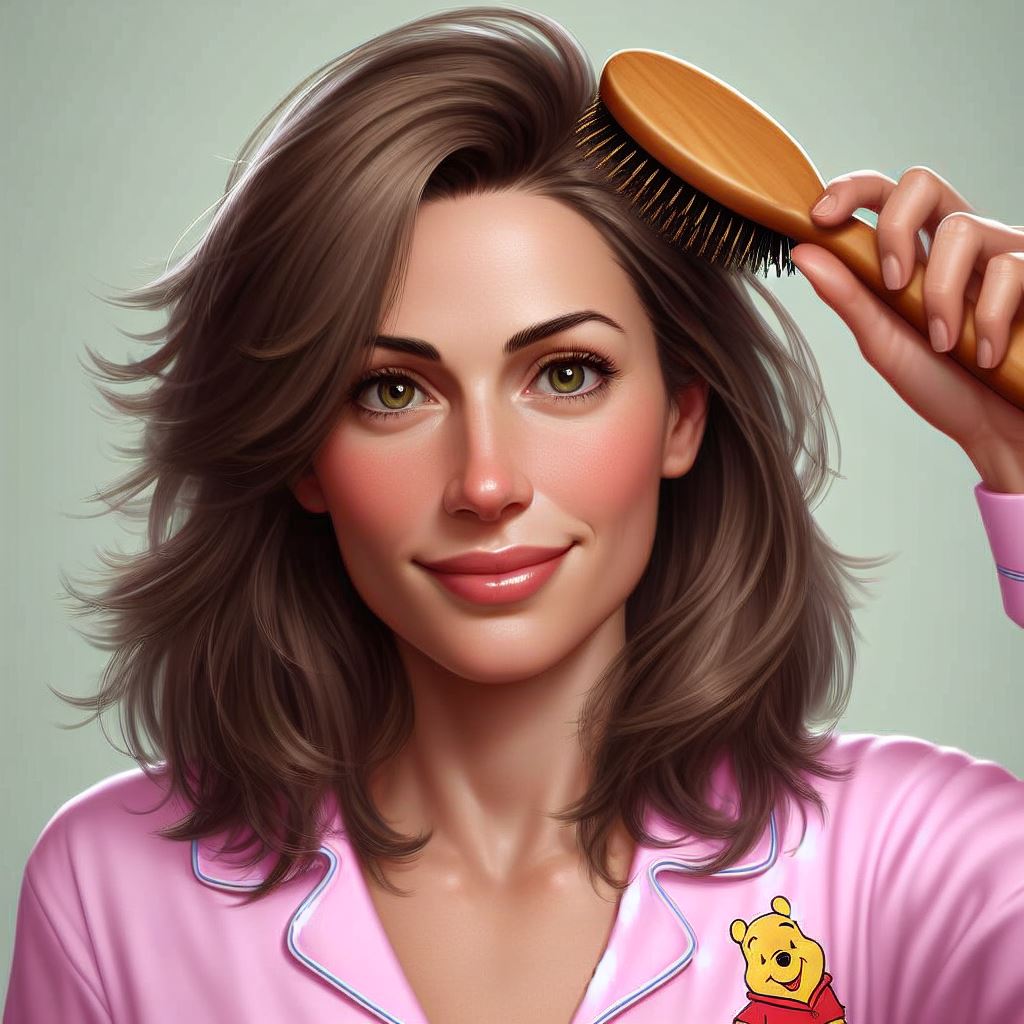
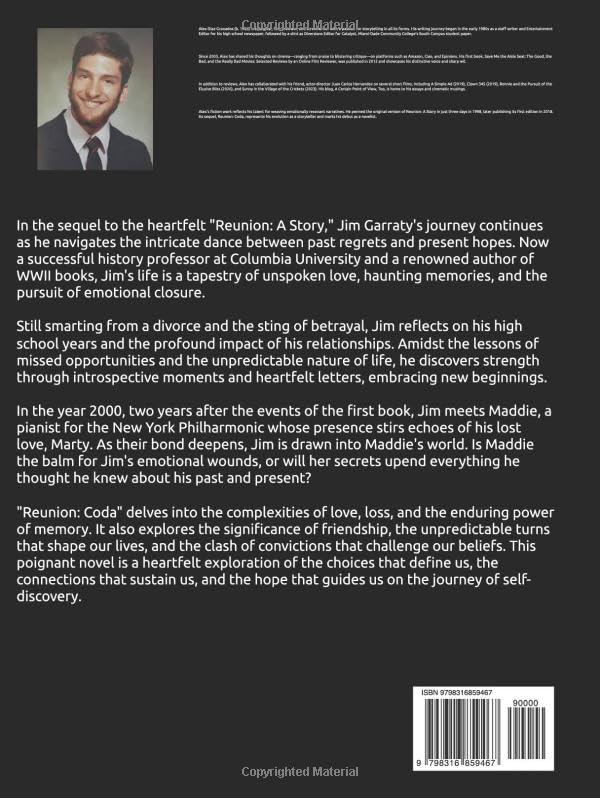
I won’t drag you through a blow‑by‑blow account of writing Reunion: Coda. But there was a steady drumbeat of interest from readers wanting more after Reunion, and since I was already elbows‑deep in revising the original novella, slipping back into Jim’s messy, hopeful world felt less like starting over and more like coming home. Out of that, I found a way to craft a continuation that satisfied not just my readers but—maybe for the first time in a long while—myself.
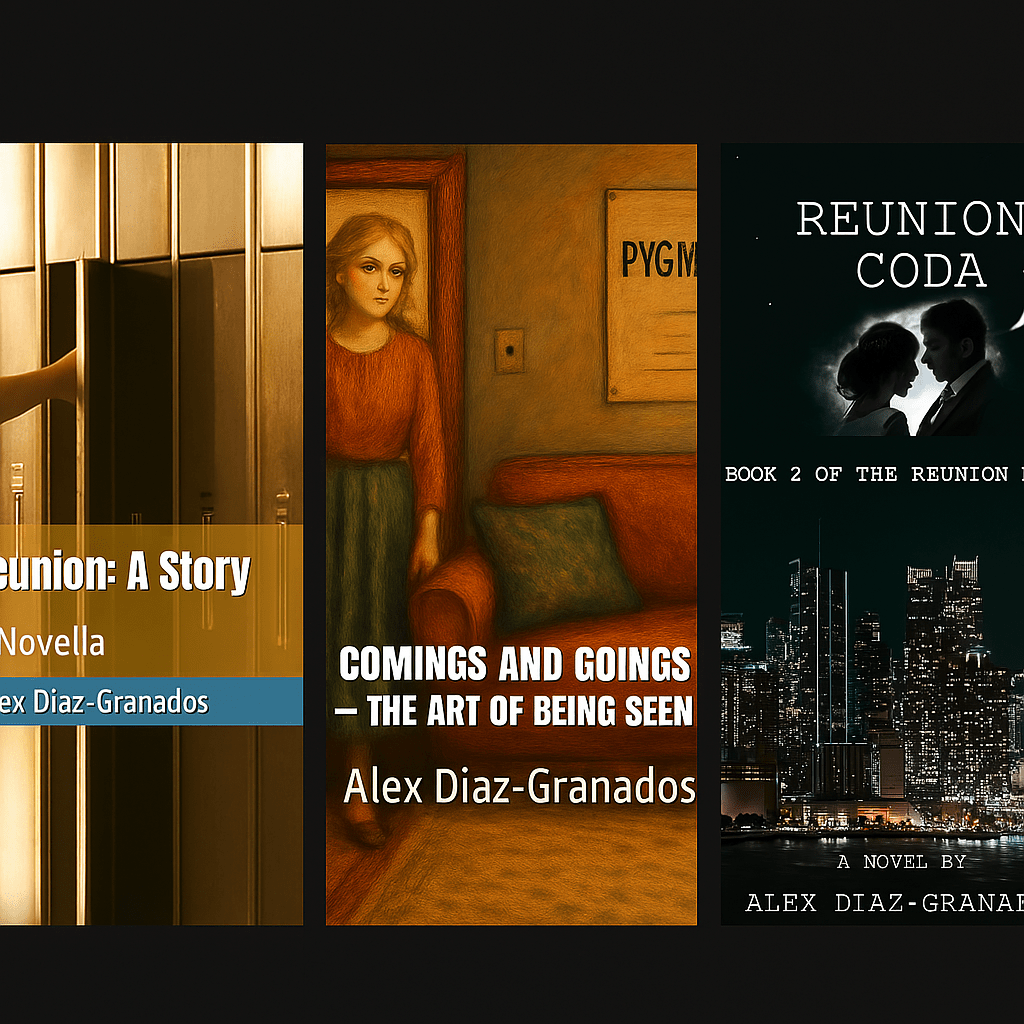
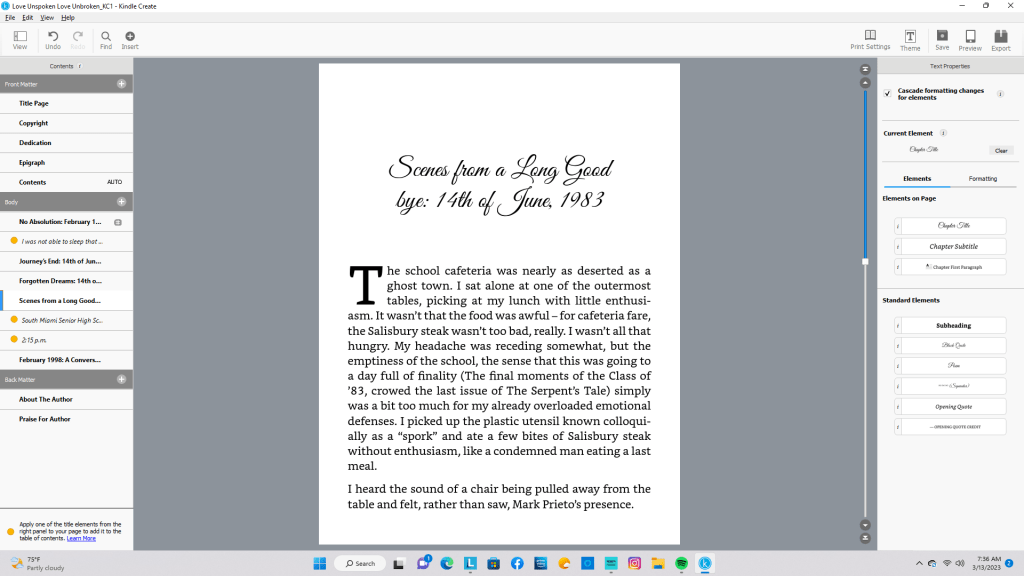
It took me two years to write the novel. The path to publishing Reunion: Coda was anything but smooth. I moved twice in ten months—first from Tampa to Madison, New Hampshire, then back to Miami—each move a wrench in the gears. What began as a burst of creativity turned into a long, torturous, but ultimately satisfying odyssey that produced not only a 529‑page novel but also a companion novelette, Comings and Goings: The Art of Being Seen.
And this fall, I decided to port all three Jim Garraty stories to Audible. Reunion: A Story and Comings and Goings are already out in the world; Reunion: Coda is in production and should arrive in February 2026.
If I’ve learned anything from this long, twisty ride, it’s that nostalgia has its uses, but it’s a lousy fuel source. My sales figures aren’t going to knock anyone off their chair, and the “buzz” is mostly my own echo. But here’s the thing: I’m not living in the rearview. The real energy is in what’s coming.
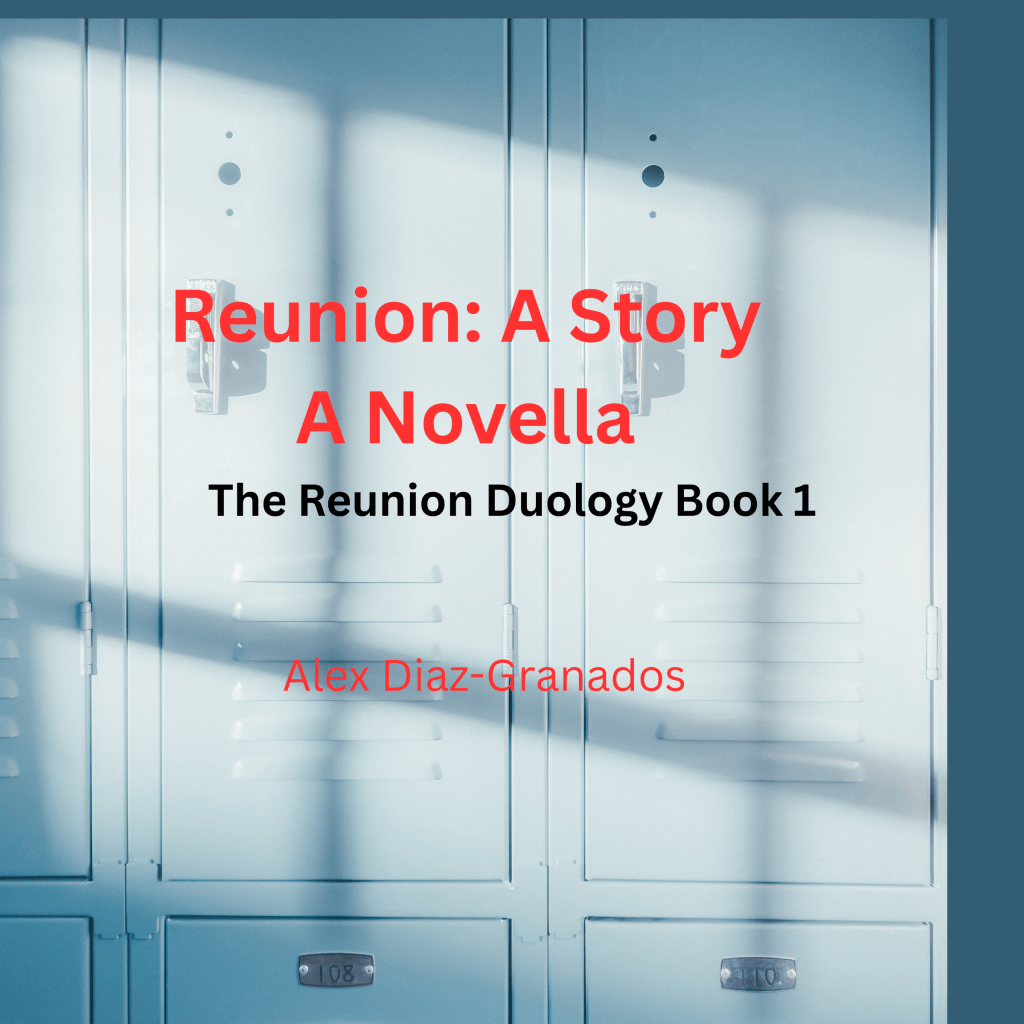

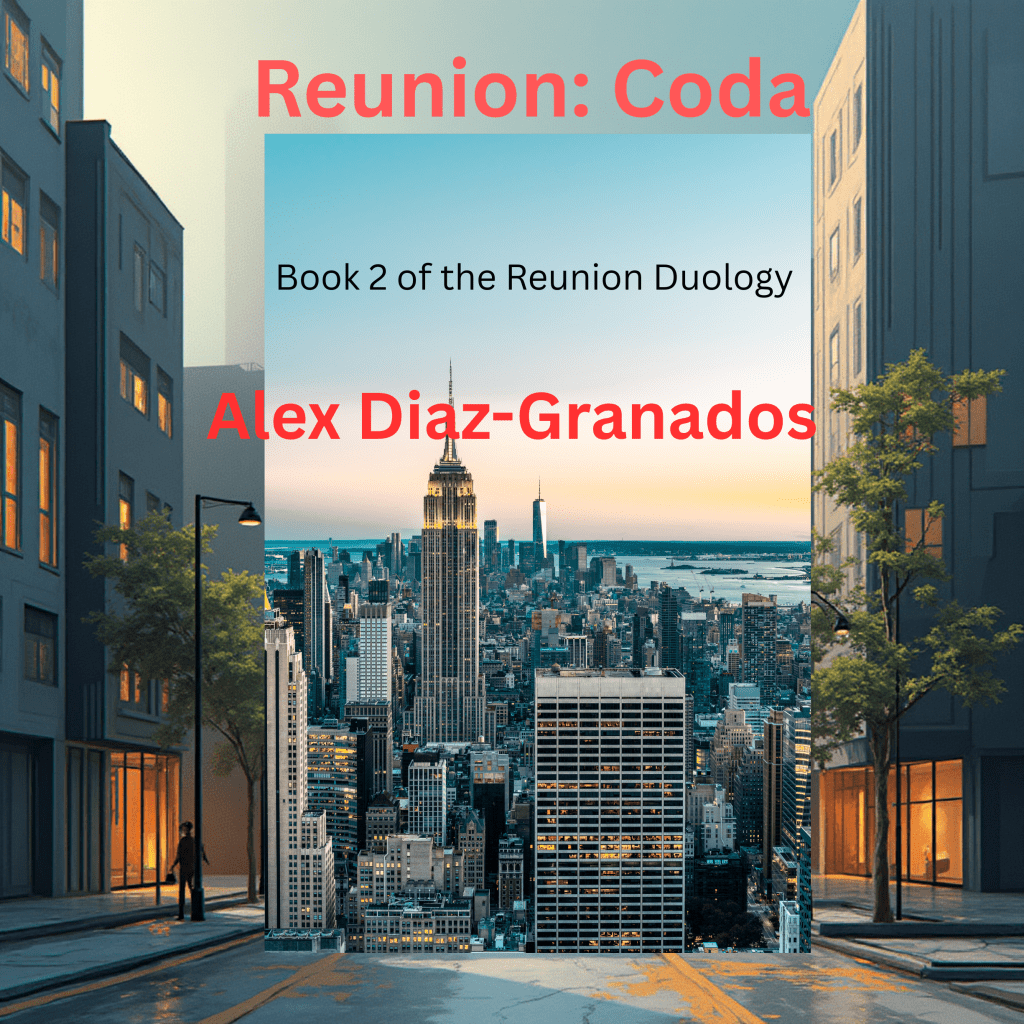
Audible edition cover created by Alex Diaz-Granados
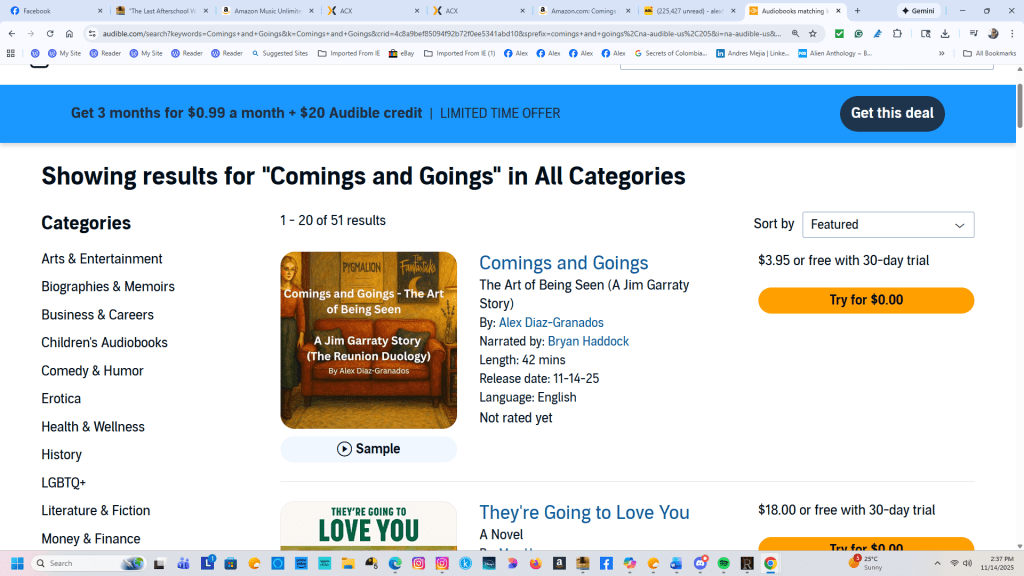
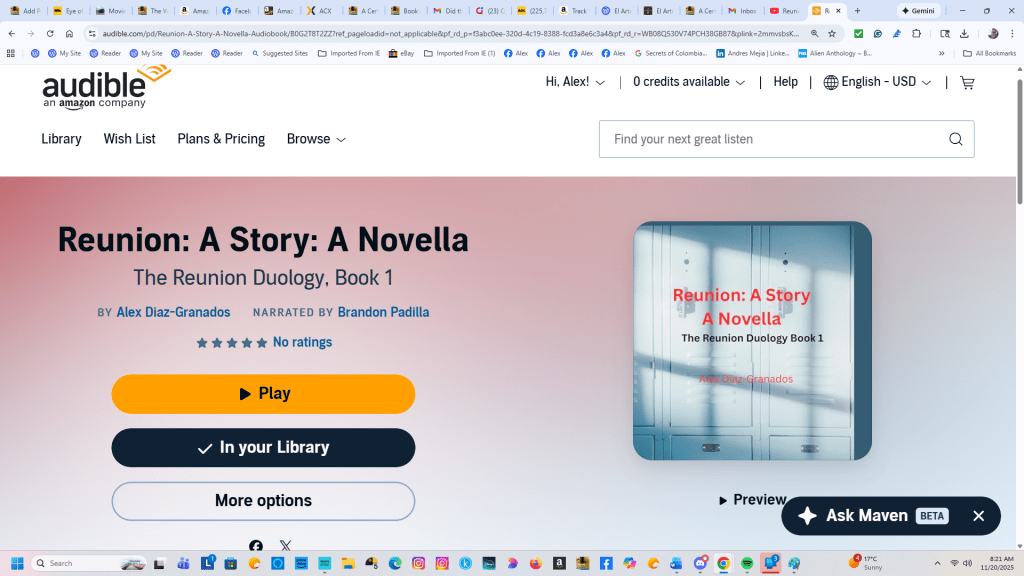
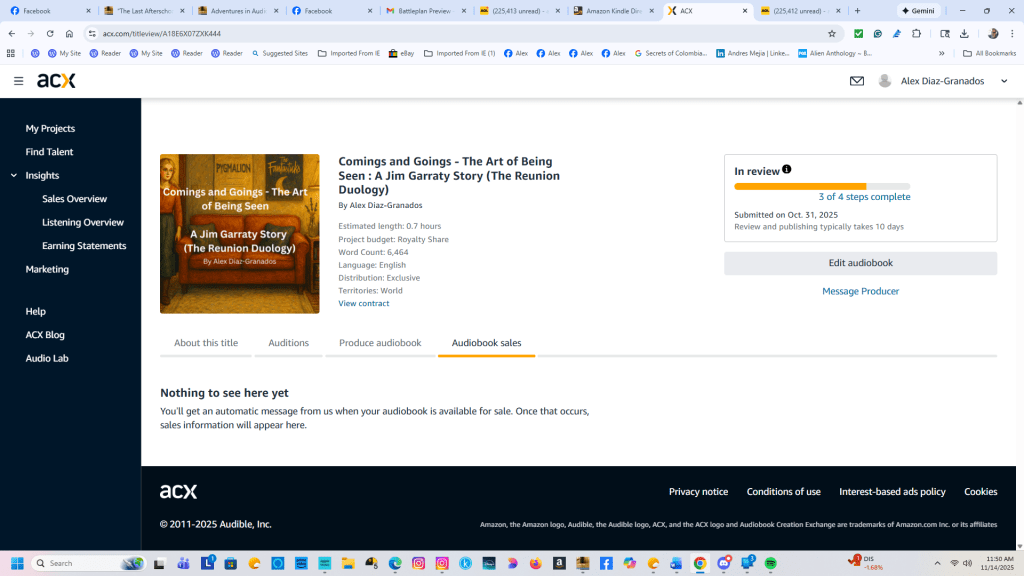
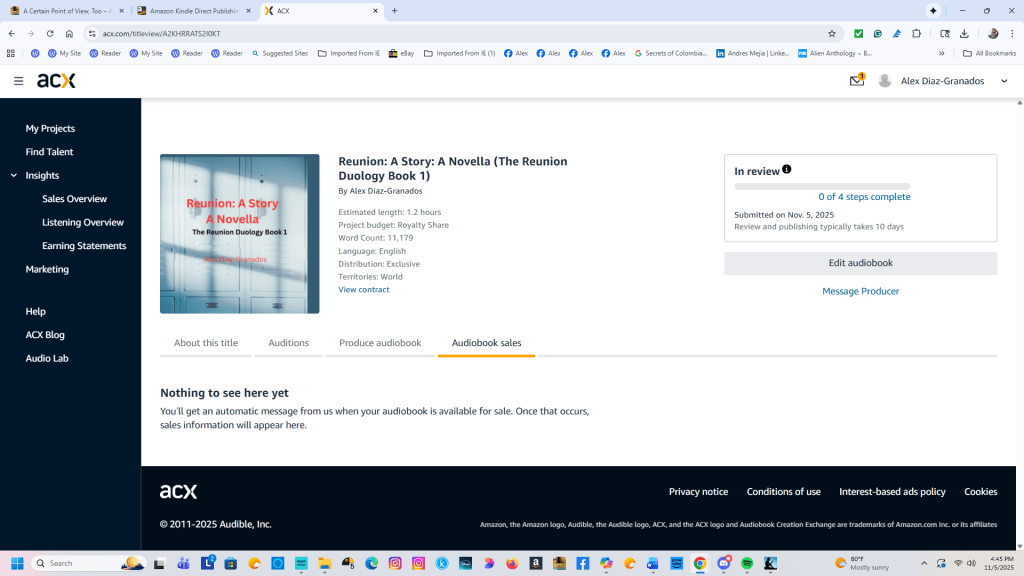
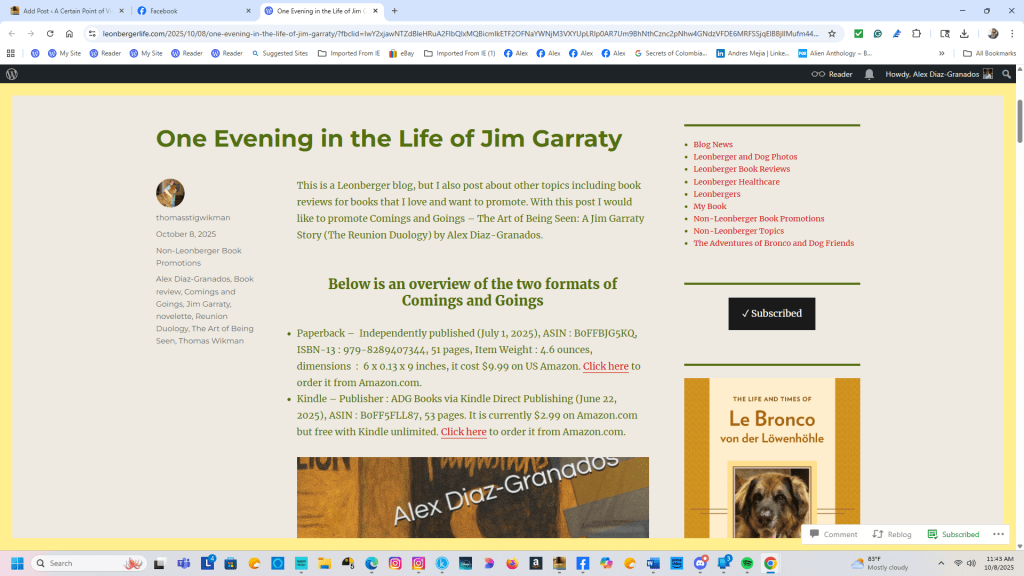

I’m deep in the trenches with The Jim Garraty Chronicles, wrestling the Reunion Duology and Comings and Goings into a single, lean animal—a book you could heft with both hands and say, “This is the whole story.” And even as I do that, I can feel something else stirring in the basement of my mind—a new story, restless and insistent, knocking at the pipes and wanting out.
Writing, for me, isn’t a hobby you pick up and set down like a crossword puzzle. It’s work—holy, stubborn, backbreaking work. I didn’t learn that through gentle revelation; it had to be beaten into me. It’s easy to say, “I want to write a novel.” Lots of people say it. I said it once, too. But wishes and good intentions aren’t worth spit unless you’re willing to set goals that bite, carve time from the soft flesh of your days, and let go of the easy fun stuff so you can sit there and bleed words onto the page.
Otherwise, you stay in the waiting room—just another aspiring writer—and the book you want to write remains nothing more than a ghost.
 A Certain Point of View, Too
Comments
3 responses to “On Writing and Storytelling: How One Story Became Three”
I enjoyed reading about your interactions with your professor from community college. Community colleges are often a place of formation and settling security in oneself, and it sounds like your professor’s faith in you did more than what you may suspect on its face: it showed you a trajectory on which you were already headed, but were still finding the words with which you could wrangle the hard-earned experience of being the writer you had always wanted to be, from high school up through collegiate education.
I have been following your blog for a year or two now, silently, and I’m always impressed with your ability to remain committed – your fire, your dislike of being diluted or muted, and your desire to be true.
Those are the qualities of any “good” writer, whether they become famous and fabulously wealthy or not. It’s what makes works endure, quietly… but also importantly.
Thank you for sharing your journey with all of us.
LikeLiked by 1 person
I think I’ve told you, Alex, but I received Coda and C & G. J re-read Reunion, already (per your suggestion) and is halfway through C & G. She’ll then read Coda. I’ll re-read Reunion, shortly after Christmas and proceed from there. Should have reviews out by middle January. Can’t wait to sink my teeth into these gems. Wishing you peace, Alex!
LikeLiked by 1 person
Thank you so much — that means more than I can say. I’m really glad you’re taking the time to revisit Reunion before diving into Comings and Goings and Reunion: Coda. Those stories were written to speak to each other, and it means a lot that you’re reading them in that rhythm. I hope the journey feels rewarding, familiar in the right places, and surprising in others.
Wishing you peace as well — and thank you for walking with these characters the way you do.
LikeLike