Reading in Rhythm: How the Reunion Duology Is Meant to Be Experienced
Every so often, an author gets a message that reminds them why they write in the first place. This week, I received one of those notes from Paul Schingle, author of Schingle’s Blog, who—along with his wife, J—has begun reading the Reunion books in the exact order I always hoped readers would experience them:
Reunion → Comings and Goings → Reunion: Coda

Paul wrote:
“I think I’ve told you, Alex, but I received Coda and C & G. J re-read Reunion already (per your suggestion) and is halfway through C & G. She’ll then read Coda. I’ll re-read Reunion shortly after Christmas and proceed from there. Should have reviews out by mid-January. Can’t wait to sink my teeth into these gems. Wishing you peace, Alex!”
Hearing that a reader is not only revisiting the first book, but doing so with intention—reading the bridge novellette and then the concluding volume—means more than I can say. It tells me the emotional architecture of the duology is resonating exactly as designed.
How the Reunion Duology Is Structured


(C) 2025 Alex Diaz-Granados
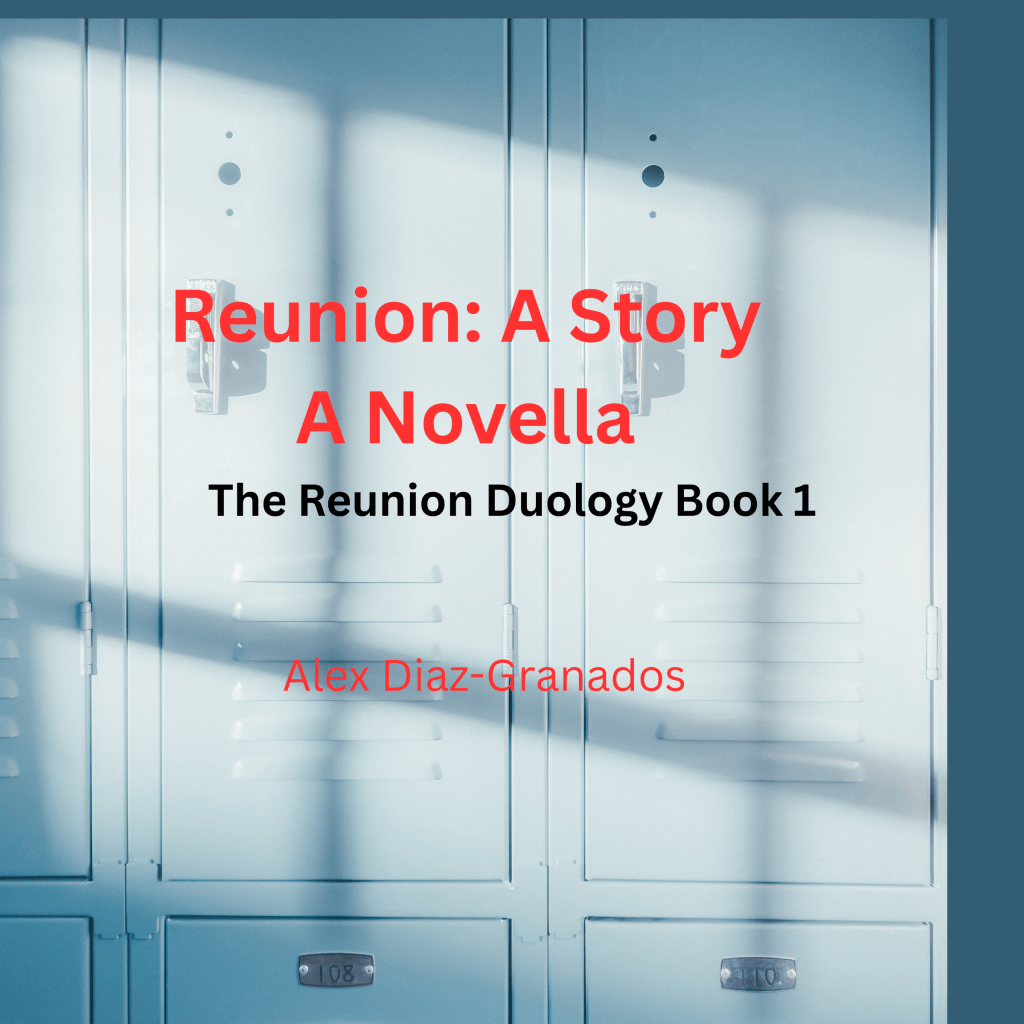

Audible edition cover created by Alex Diaz-Granados
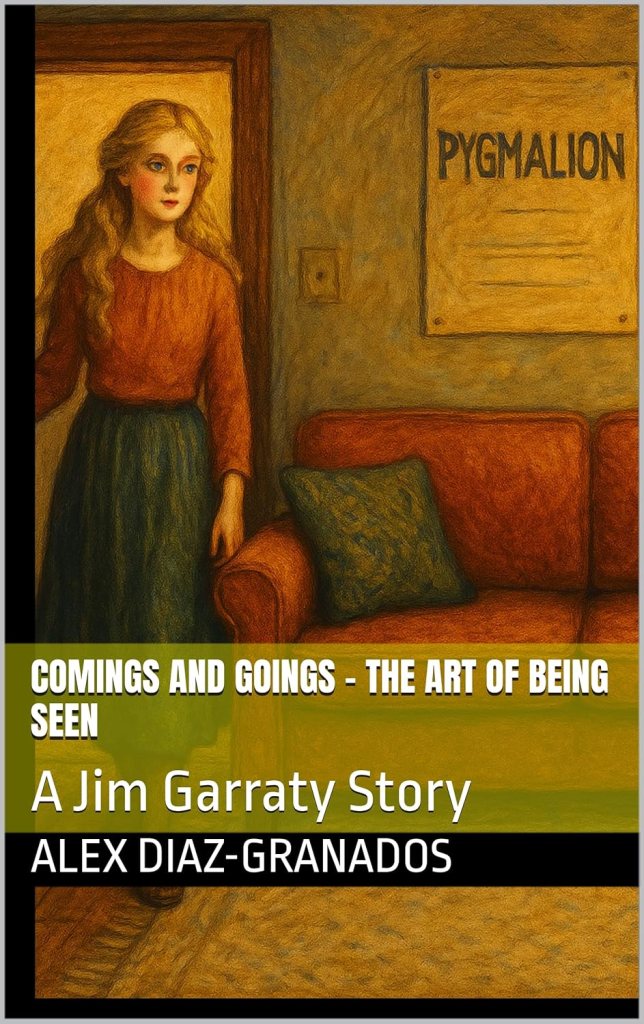


The Reunion books weren’t written as isolated stories. They form a three‑part emotional arc, each piece illuminating a different stage of Jim Garraty’s life.
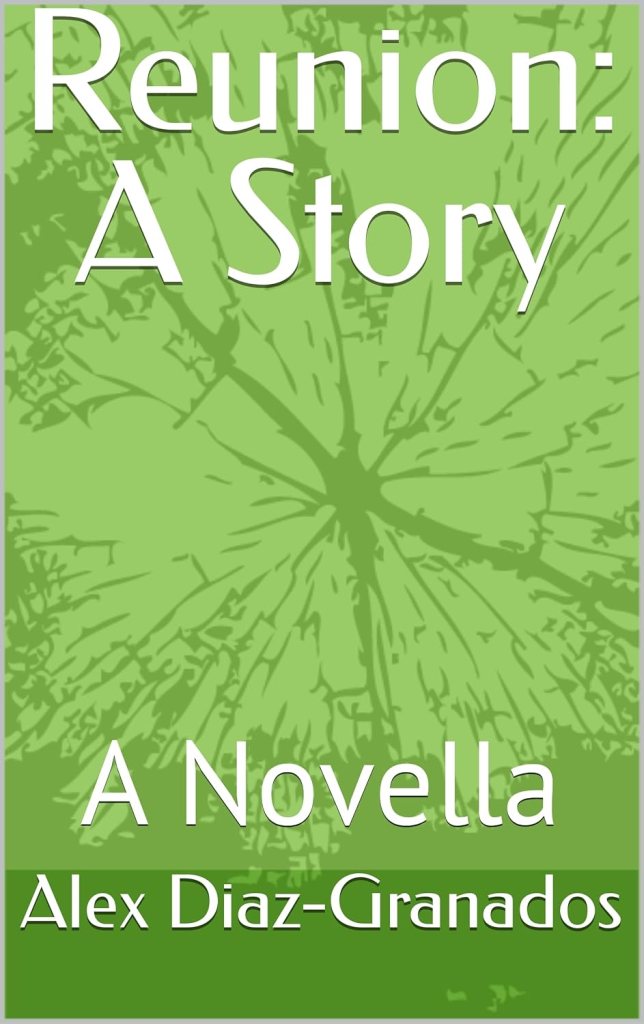
1. Reunion: A Story
The story that begins it all. A return to the past, a reckoning with memory, and the rediscovery of a connection that shaped Jim’s youth. It’s the emotional foundation—the place where old wounds and unfinished business first rise to the surface.
2. Comings and Goings – The Art of Being Seen
This is the bridge—the missing chapter between adolescence and adulthood.
A lyrical, intimate novellette that explores Jim’s early college years, his longing to belong, and the night with Kelly that quietly teaches him how to be present, gentle, and honest in ways that echo through the rest of his life.
It’s not wish fulfillment. It’s emotional apprenticeship.
It’s the moment where Jim learns how to be part of the human race.
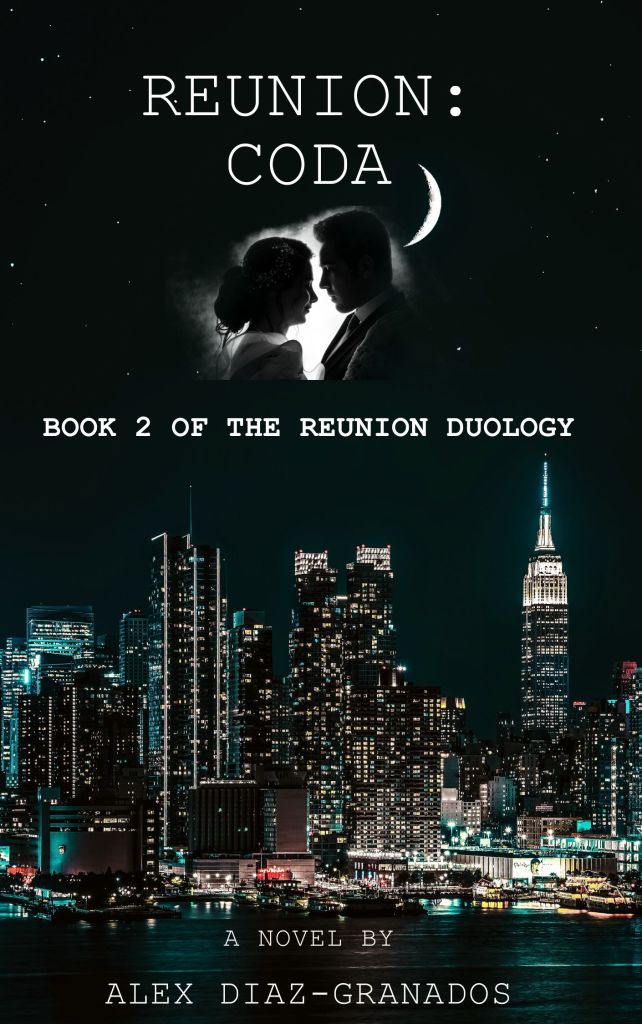
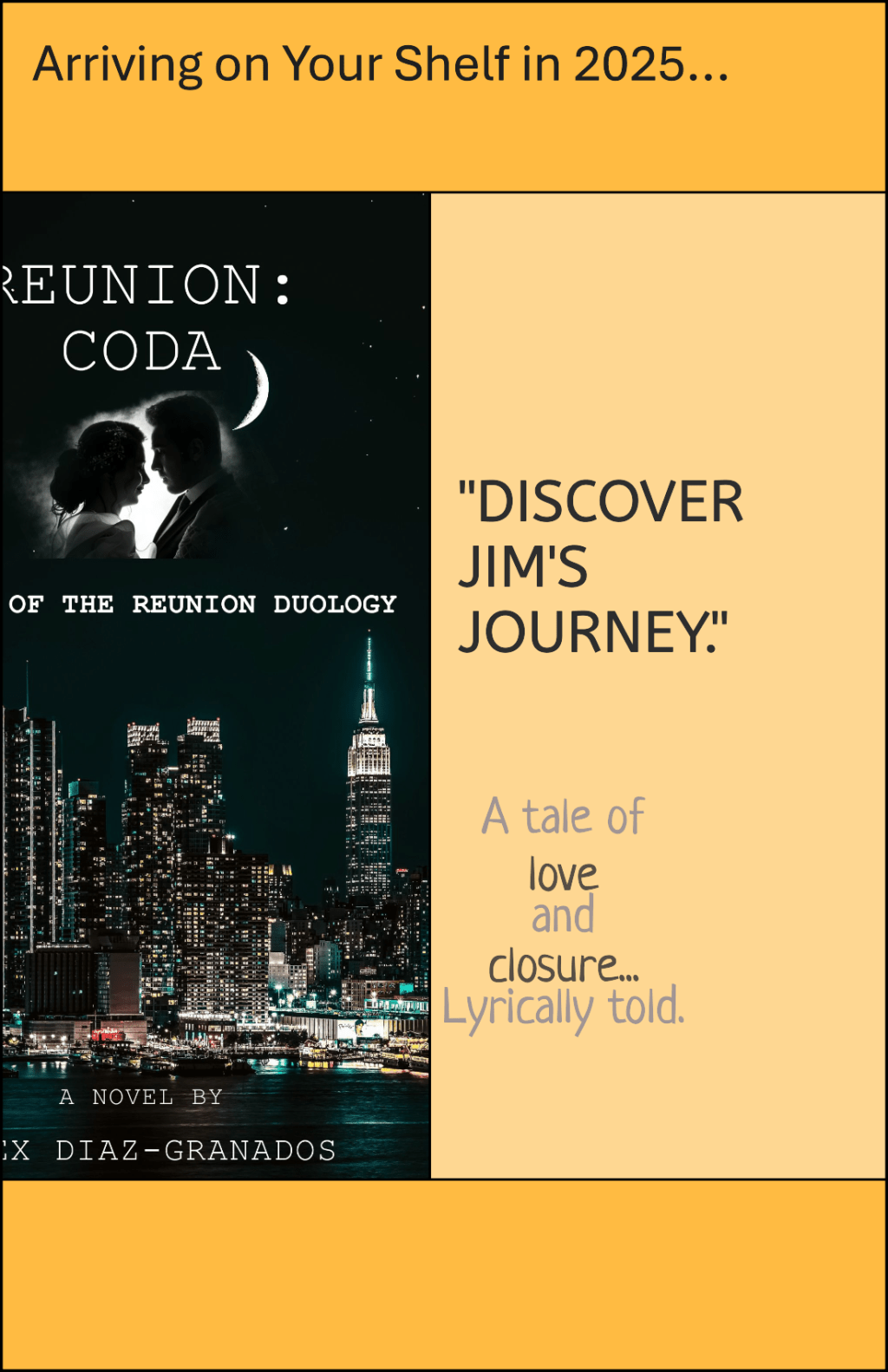
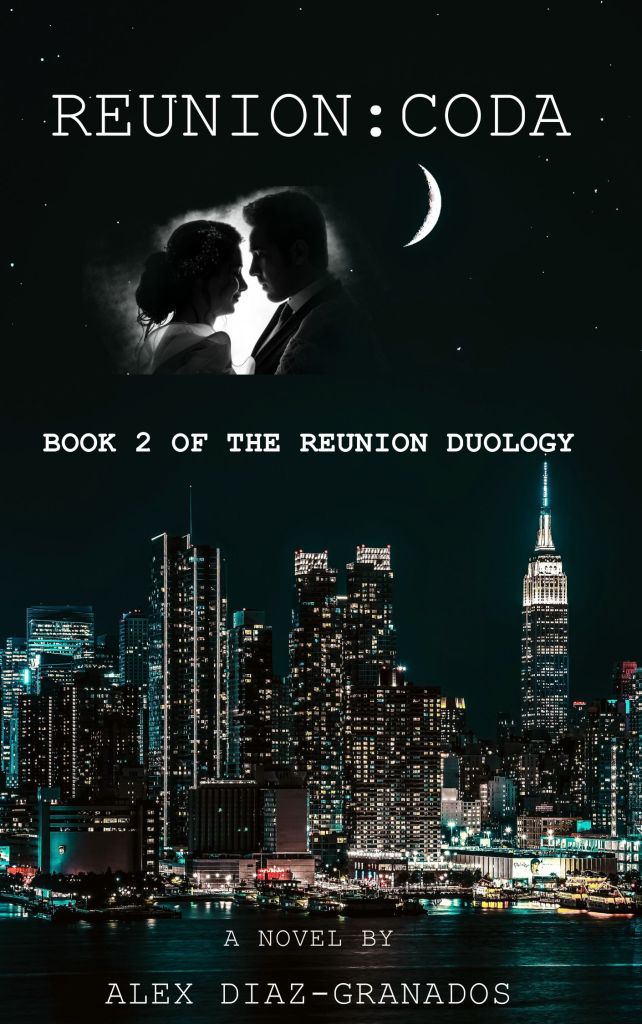
3. Reunion: Coda
The conclusion.
A story of renewal, reconnection, and emotional maturity—where the lessons of the past finally meet the possibilities of the present.
If Reunion is the question and Comings and Goings is the education, Coda is the answer.
Why Reading in This Order Matters
The sequence Reunion → Comings and Goings → Coda mirrors Jim’s emotional evolution:
- Reunion shows the wound.
- Comings and Goings shows the healing.
- Coda shows the renewal.
Reading them in this rhythm lets the motifs—music, memory, intimacy, and emotional inheritance—echo across the trilogy the way they were meant to.
That’s why it means so much that Paul and J are reading the books in this order. They’re not just reading the stories—they’re following the emotional map.

A Quiet Thank You
To Paul and J in Arizona:
Thank you for taking this journey with such care and intention.
Thank you for rereading, for savoring, for walking with these characters step by step.
And thank you for reminding me that stories don’t just live on the page—they live in the people who carry them forward.
Wishing you both peace, and a beautiful reading season.
 A Certain Point of View, Too
You must be logged in to post a comment.