
The Soft Heart I Spent Years Trying to Hide
Some people spend their lives pretending they’re not sentimental. I’m not one of them. To borrow the words of Captain Louis Renault, I freely admit I’m a rank sentimentalist—and unlike Rick Blaine from Casablanca, I don’t bother hiding it behind a mask of cynicism or put‑on indifference.
I used to, of course. Who, at sixteen, seventeen, eighteen, or even twenty‑five, wants to be known as the guy who cries without shame during the final scenes of Summer of ’42, or when hearing “As Time Goes By,” or Leroy Anderson’s “Forgotten Dreams”? Not me—at least, not then. Back in those days, I’d have done anything to avoid being pegged for my soft side.
I grew up in a world where boys were taught—both with words and in subtler ways—that showing certain feelings, especially sadness or fear, was a weakness. If you tripped and scraped your knees, crying was out of the question; you were expected to “be a man and suck it up.” Tears were for sissies, we were told, and the girls would never like you if you didn’t seem “manly” enough.
Naturally, I absorbed all those “macho guy” lessons and tried my hardest to conceal what I was really feeling—at least whenever I was at school or roaming the familiar corners of Coral Estates Park with the other boys. If I scraped my knees or elbows, which happened all the time in my tween years, showing any tears was simply not an option; I kept a straight face, no matter how much it stung.
And when I got a crush—whether it was on a classmate in sixth grade or a teacher I found especially captivating—I did my best to keep it hidden. Still, there were plenty of moments when my emotions slipped through, and I’m sure it was obvious to more than a few people.
I can’t say for certain whether my sentimental streak is rooted in family history—losing my dad in a plane crash just weeks before my second birthday, growing up in the long shadow of that loss—or shaped by other experiences, like having to say goodbye to my first girlfriend when I switched elementary schools. I’m no psychologist, so I won’t pretend to know if it’s all nature or nurture. What I do know is that, for as long as I can remember, certain things—a fleeting face, the name of a book I last read fifty years ago, a memory that won’t let go—can bring tears to my eyes, often when I least expect it.

When I sit down to write fiction—especially my Jim Garraty stories—I naturally turn to my own memories, most often from my teenage and college years. That impulse isn’t just sentimental; it comes from one of the earliest lessons I absorbed in my college creative writing class back in 1987: Write what you know. For me, what I knew then was a tangled mix of longing, genuine friendship, the highs and lows of first love, and the constant tension of growing up and changing. Those feelings and experiences are woven into every story I write about Jim, his best friend Mark, and Marty—the girl Jim cared for but never found the courage to confess his feelings to.
Maybe that’s part of the reason I’ve stuck with familiar characters and settings in my writing. As I mentioned in the Afterword to Reunion: Coda, there was a time when I pictured myself writing genre fiction—my younger self imagined crafting science fiction tales or hard‑edged military adventures. But when I finally sat down, nearly thirty years ago, to try my hand at something more personal and serious, what came out was Reunion: A Story, a novella centered around a young college history professor wrestling with loss, regret, and unresolved feelings for a classmate who’s no longer alive.


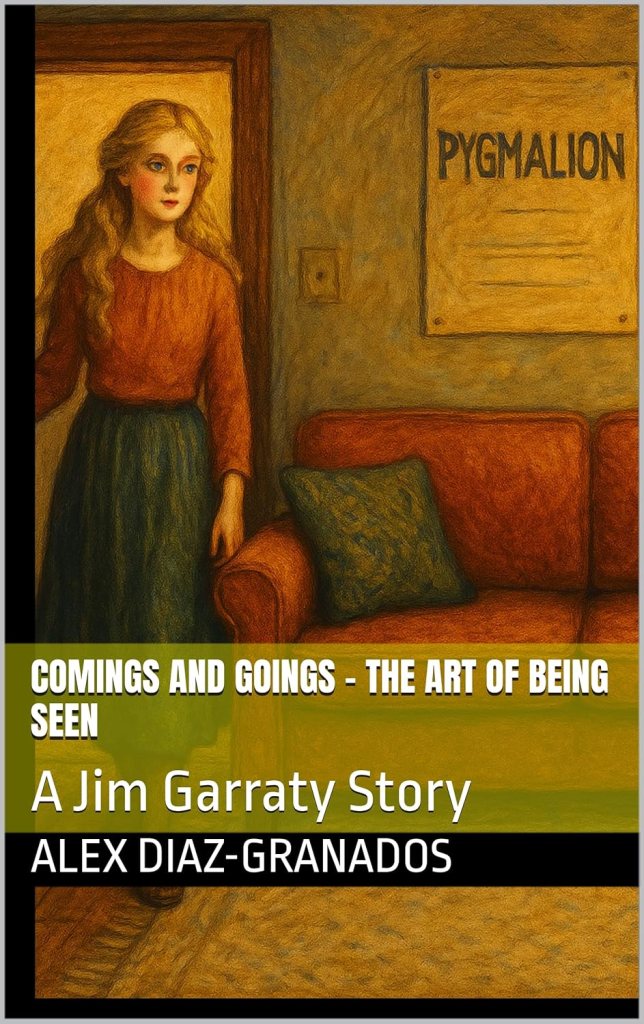
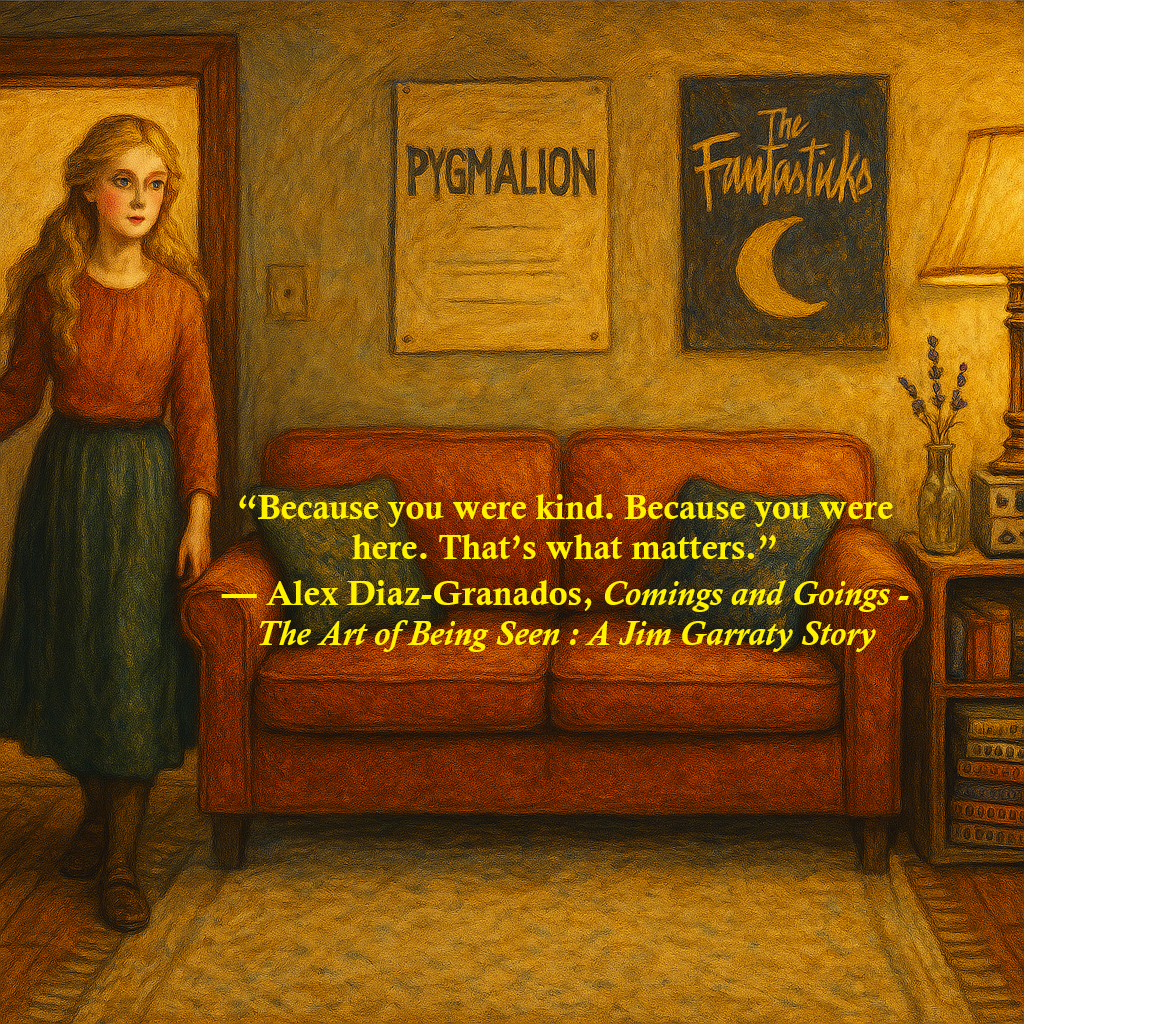
Naturally, I’ve attempted to write other stories in various genres, but my deep sense of nostalgia always draws me back to familiar territory. That’s why, after resisting for 25 years, I returned to Jim Garraty’s story when I started writing Reunion: Coda in 2023. It also explains why I wrote a companion piece, Comings and Goings – The Art of Being Seen, immediately afterward.
And maybe that’s the heart of it.
For all the years I spent trying to hide my softness, it’s the very thing that has kept me connected—to my past, to the people I’ve loved, and to the characters who’ve stayed with me longer than I ever expected. Sentimentality isn’t a flaw I’ve outgrown; it’s a compass I’ve finally learned to trust.
If my stories return again and again to the same emotional terrain, it’s because that landscape still has something to teach me. And if a piece of music or a half‑remembered moment can still bring tears to my eyes, I no longer see that as something to hide. It’s simply proof that the boy who once tried so hard to “suck it up” grew into a man who understands that feeling deeply is its own kind of strength.
 A Certain Point of View, Too
You must be logged in to post a comment.