
Why Dishonest Praise‑Circle Reviews Harm Indie Authors, the Industry, and Readers

I’ve been writing entertainment reviews for most of my life—long before “content creation” became a buzzword and long before social media turned book promotion into a popularity contest. My first real assignments came in high school, where I cut my teeth as a student journalist and discovered that reviewing wasn’t just about having opinions. It was about clarity, honesty, and respect for the reader.
A Foundation Built on Serious Reviewing
For the first eleven years of my online writing career, I spent most of my time writing consumer reviews on Amazon and, until its shutdown in 2014, the now‑legendary Epinions. I was an Epinions Top Reviewer in Movies, but I also wrote extensively in Books, Music, Kids & Family, and Computer Games. That platform demanded rigor: you had to justify your rating, articulate your reasoning, and write for readers—not for authors, not for friends, and certainly not for reciprocal praise.
Reviewing, for me, has always been a craft. A responsibility. A promise to the reader that I will tell the truth as I see it.
A Background Rooted in Journalism and Craft

In college, I studied journalism, mass communications, and creative writing—disciplines that reinforced the same core principle: your credibility is your currency. Once you squander it, you don’t get it back. Whether I was writing a news article, a film review, or a short story, the expectation was the same: be honest, be clear, and respect your audience.
A Writer Who Reads—and Reads Widely
I’ve been reading since I was three years old and writing since I first discovered electric typewriters in the early 1970s. I read across genres—literary fiction, science fiction, memoir, history, thrillers, YA, and more. Decades of reading widely teach you what good writing looks like, what weak writing looks like, and what unedited writing looks like. It also teaches you that writing is a skill, not a birthright.
My Own Work—and Why It Matters Here
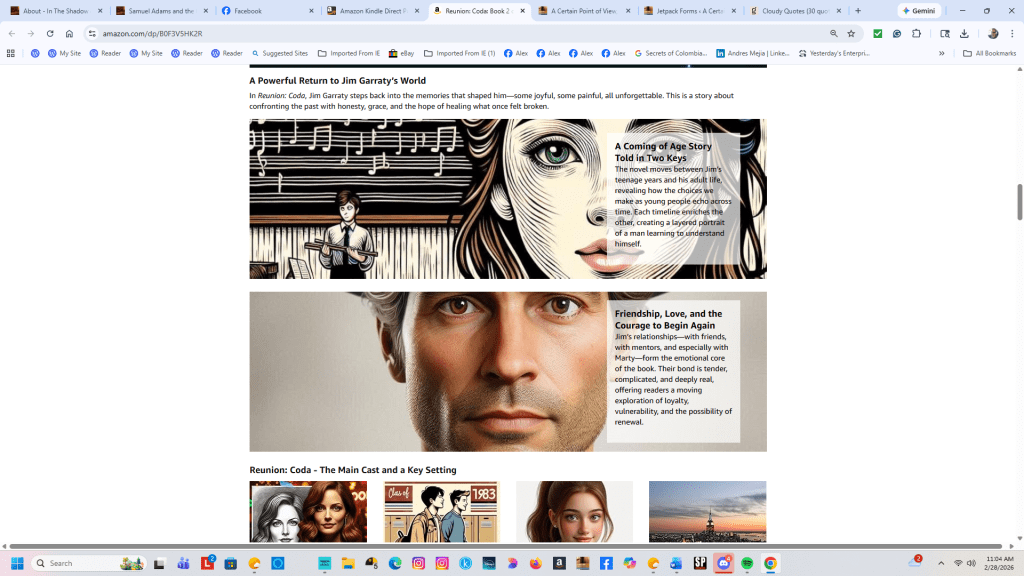
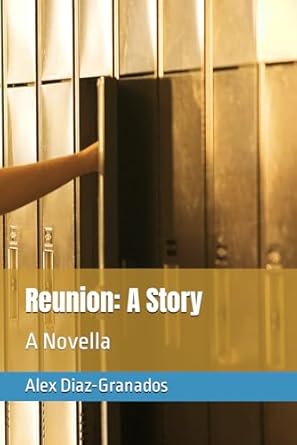
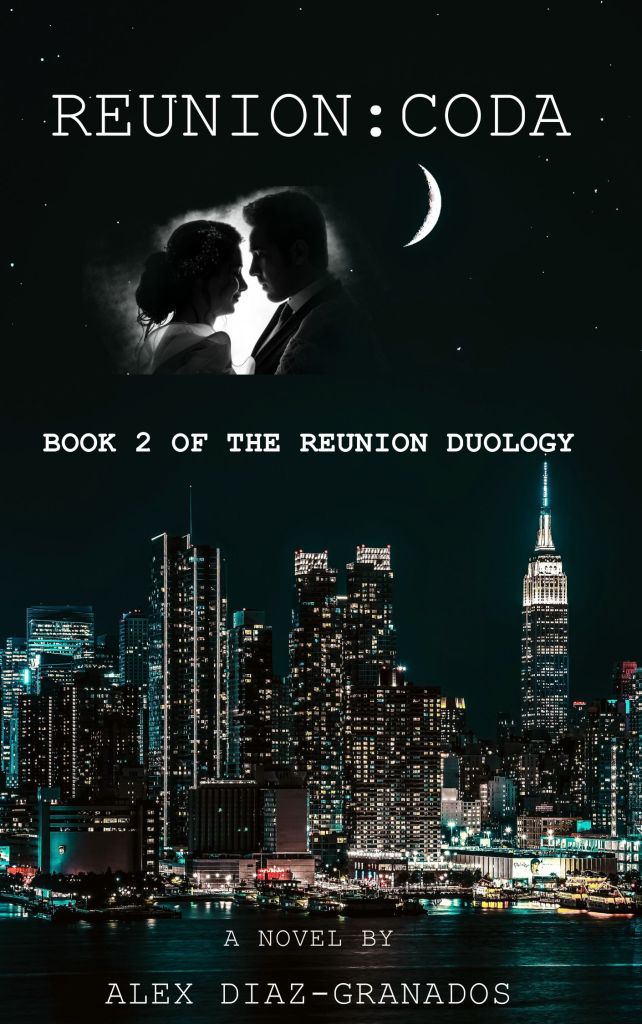
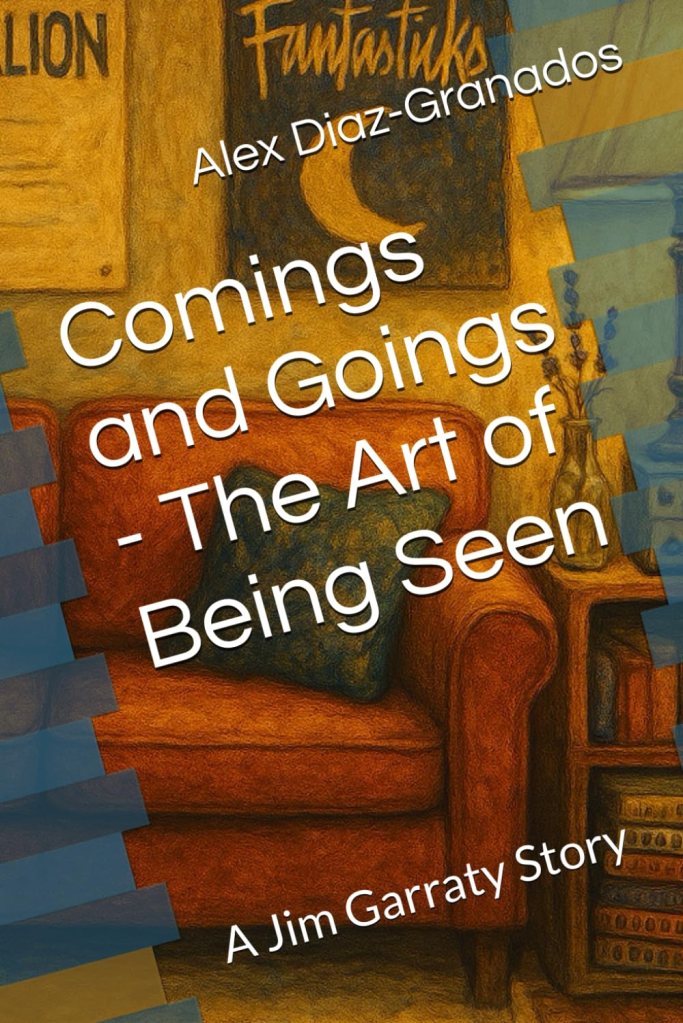
Over the years, I’ve written a novella (Reunion: A Story), a novelette (Comings and Goings – The Art of Being Seen), and a novel (Reunion: Coda). I’ve also published a collection of film reviews—Save Me the Aisle Seat: The Good, the Bad and the Really Bad Movies—which came out in 2012. That book, in particular, reflects the same reviewing ethic I’ve carried since high school: be fair, be specific, and be honest.
This background matters because it explains why I take reviewing seriously—and why the current “praise circle” culture in the indie author world troubles me so deeply.
The “Angela” Situation: A Case Study in Praise‑Circle Harm
Recently, I was contacted repeatedly by an indie author—let’s call her “Angela”—who urged me to buy, read, and review her novel, which I’ll refer to as Redacted. I did what any responsible reviewer does: I read the blurb and the sample pages on Amazon.
Both were poorly written.
Not “needs a little polish.” Not “rough but promising.” I mean fundamentally flawed: weak prose, unclear sentences, inconsistent tone, and a lack of basic narrative control.
I responded politely but firmly, suggesting that the book needed serious revision before it was ready for readers. Angela has not replied since February 26.
The Suspiciously Glowing Reviews
Despite the issues in the sample, Redacted has more than fifteen four‑ and five‑star reviews—every one of them overflowing with praise for Angela’s themes, characters, and emotional depth. Yet not one of these reviews mentions:
- writing style
- dialogue
- structure
- pacing
- world‑building
- editing
- narrative clarity
One reviewer even calls Angela’s writing “beautiful,” a claim that is demonstrably untrue based on the publicly available sample.
This is not coincidence. This is the praise‑circle ecosystem at work.
Why Praise‑Circle Reviews Are Harmful
Dishonest reviews don’t just distort reality—they actively damage the indie publishing world in three major ways.
1. They stunt the growth of new writers
When beginners receive unearned praise:
- they are denied the opportunity to improve
- they develop entitlement rather than skill
- they believe publication—not craft—is the finish line
- they never learn to revise, edit, or self‑critique
Coddling is not kindness. It is sabotage disguised as support.
2. They mislead readers—essentially committing a form of consumer fraud
A reader sees:
- a polished cover
- a promising blurb
- fifteen glowing reviews
- a four‑plus‑star average
They assume the book has been vetted. They assume the praise reflects the reading experience. They assume the reviewers are independent.
Instead, they get a poorly written, unedited book that cost them $4.99 for the e‑book or $14.99 for the paperback. That reader is unlikely to trust indie authors again.
3. They erode trust in the entire self‑publishing ecosystem
Indie publishing already fights an uphill battle. Many readers still believe:
- self‑published = low quality
- indie authors = amateurs
- KDP = a dumping ground for unedited work
Praise‑circle reviews reinforce those stereotypes. They make it harder for serious indie authors—those who revise, edit, and respect their readers—to gain credibility. They poison the well for everyone.
Where I Stand

I have no patience for authors who participate in praise circles, enable them, or defend them. Dishonest reviews are not harmless. They are not “supportive.” They are not “lifting up fellow writers.”
They are corrosive.
They harm readers.
They harm the industry.
They harm the very writers they claim to help.
Honest critique is not cruelty. It is respect—for the reader, for the craft, and for the long‑term health of indie publishing.
And if the price of honesty is losing the approval of the praise‑circle crowd, that’s a price I’m more than willing to pay.


 A Certain Point of View, Too
Leave a reply to Alex Diaz-Granados Cancel reply