The Garratyverse Has a Theme Song — And It’s “Forgotten Dreams”
Every now and then, a creative universe taps you on the shoulder and says, Hey, I know what I sound like.
Today, the Garratyverse did exactly that.

If the world of Jim Garraty — his memories, his ghosts, his quiet victories — had to be distilled into a single piece of music, the choice is surprisingly easy. It isn’t a film score, or a Broadway ballad, or a sweeping orchestral cue.
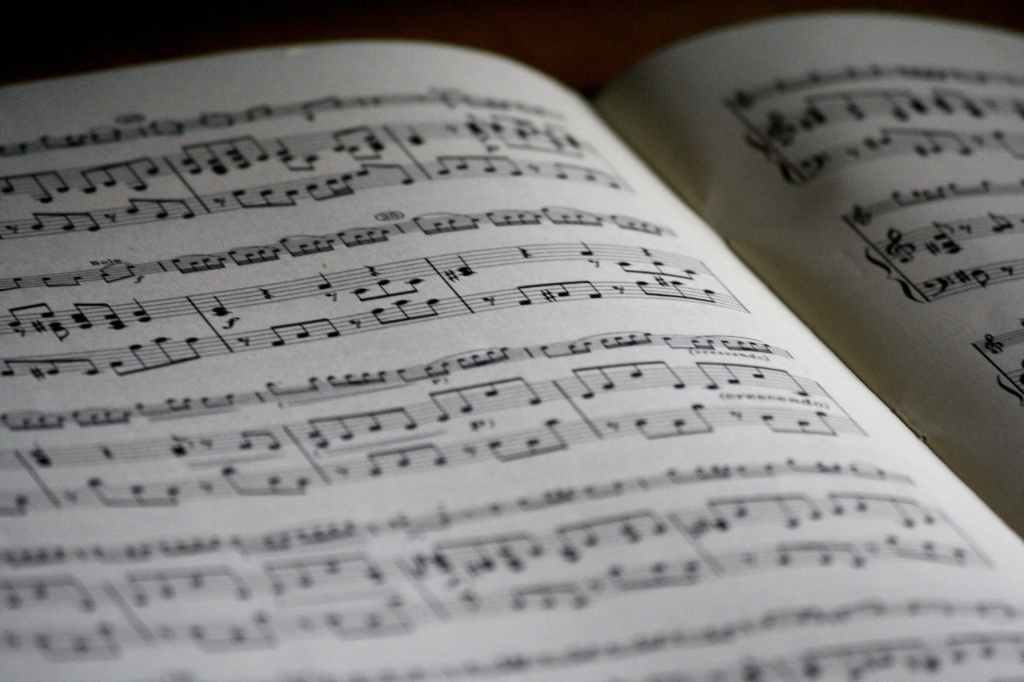
It’s Leroy Anderson’s Forgotten Dreams.
And honestly, it feels like it was waiting for the job.
🎼 The Sound of Memory Without Melodrama
The Garratyverse has never been about big, operatic emotions. It’s built on the small, luminous ones:
- the ache of what almost happened
- the warmth of remembered kindness
- the way a single moment can echo for decades
Forgotten Dreams lives in that emotional register. It’s wistful without being sad, gentle without being fragile. It’s the sound of someone remembering something important — not dramatically, but truthfully.
That’s Jim Garraty in a nutshell.
💫 The Garratyverse Already Has Its Own Musical Motifs
Each story in the cycle carries its own emotional signature — a piece of music that captures its internal weather:
- Reunion: A Story — The Death of Falstaff (grief, reckoning, the cost of silence)
- Reunion: Coda — All the Things You Are (renewal, mature love, the courage to begin again)
- Comings and Goings – The Art of Being Seen — This Night (reflection, continuity, the quiet miracle of being noticed)
These aren’t just references; they’re emotional coordinates. They tell you where Jim is in his life, what he’s carrying, and what he’s finally ready to face.
But Forgotten Dreams is the one piece that can drift between all three without ever feeling out of place. It’s the connective tissue — the leitmotif of the Garratyverse itself.
🕰️ A Theme for a Man Who Remembers Everything

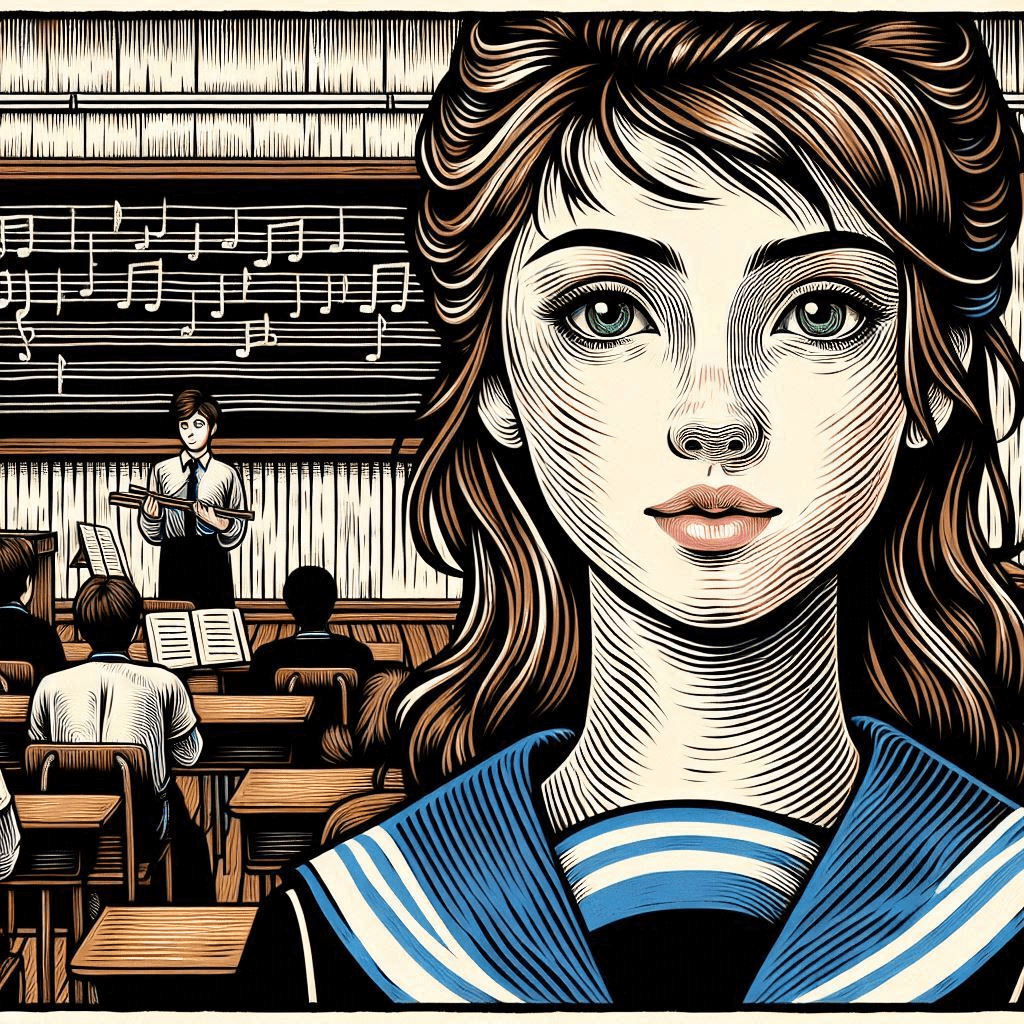
Jim’s life is shaped by echoes: Marty’s laughter, Maddie’s steadiness, the chorus room, the dream-song, the way he catalogs moments like artifacts.
Anderson’s piece feels like the music of a man who carries his past with tenderness rather than regret. It’s not nostalgia for nostalgia’s sake — it’s memory as emotional inheritance.
That’s the Garratyverse’s heartbeat.

🌤️ Honoring Marty Without Centering Her
This is the part that sealed it for me.
Marty isn’t the protagonist of the Garratyverse — but she is its emotional catalyst. Her presence is a shimmer, not a spotlight.
Forgotten Dreams is exactly that: a shimmer.
It’s the music of someone who mattered quietly and permanently. Someone whose influence is felt in the spaces between scenes.
That’s Marty.
🎹 A Match for the Way These Stories Are Told
The Garratyverse doesn’t shout. It doesn’t manipulate. It doesn’t inflate emotion for effect. It trusts the reader to feel the small things.
Anderson’s piece does the same.
It’s simple, but not slight.
It’s gentle, but it lingers.
It’s nostalgic, but never sentimentalized.
It’s the emotional DNA of the entire cycle.
🌟 So yes — the Garratyverse has a theme
And it’s Forgotten Dreams.
Not because it’s famous.
Not because it’s grand.
But because it carries the exact emotional temperature these stories live in.
It’s the sound of memory doing what memory does best:
holding on, letting go, and lighting the way forward.
 A Certain Point of View, Too
You must be logged in to post a comment.