
🎬 The Movies That Built Jim Garraty (and, Let’s Be Honest, Me Too)
Somewhere in the middle of revisiting old scenes from Reunion, I stumbled onto a realization that made me laugh out loud: Jim Garraty’s 1983 movie shelf is basically a psychological X‑ray of who he was at seventeen — and who I was, too.
It’s funny how the films we love at that age don’t just entertain us. They form us. They give us a vocabulary for feelings we don’t yet know how to name. They become emotional shorthand, myth, memory, and sometimes a kind of compass.
Jim’s favorites in 1983 were:
- Casablanca
- South Pacific
- The Longest Day
- West Side Story
- Summer of ’42
- Jaws
- A Bridge Too Far
- Star Wars, The Empire Strikes Back, Return of the Jedi
- Raiders of the Lost Ark
- E.T.
- Close Encounters of the Third Kind
- Superman
Looking at that list now, I can see the boy behind it — earnest, idealistic, a little out of step with his peers, and already wired for nostalgia before he’d even lived enough life to be nostalgic about.
The romantic ache
Casablanca, Summer of ’42, West Side Story — these were Jim’s emotional training wheels. Stories about longing, regret, and the things we don’t say until it’s too late. No wonder he wrote Marty that letter. No wonder he handed it to her like a live grenade and then told her not to read it until after commencement. That’s pure teenage Bogart energy.
The sense of duty
The war epics — The Longest Day, A Bridge Too Far — fed the historian in him. They taught him that courage isn’t loud. It’s quiet, steady, and often lonely. That idea sticks with him all the way into adulthood.
The mythic imagination
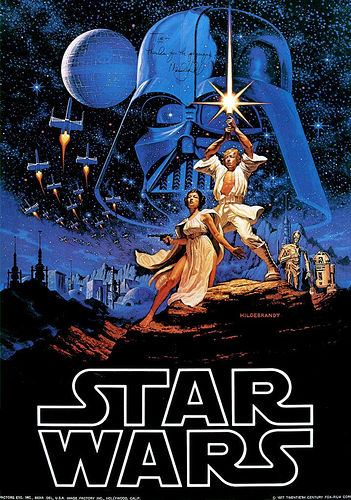
Star Wars and Raiders weren’t just movies. They were the shared mythology of boys like Jim and Mark. When Mark tells him “May the Force be with you” on their last day of high school — in full Harrison Ford cadence — it’s not a joke. It’s a benediction. A way of saying “I love you, pal” without breaking the unspoken rules of 1983 masculinity.
The wonder
E.T. and Close Encounters gave Jim permission to feel awe. To believe that the universe was bigger than his heartbreak. Bigger than Miami. Bigger than the letter he wished he’d written differently.
The moral compass
And then there’s Superman. The one that taught him that strength and kindness aren’t opposites. That decency is a superpower. That doing the right thing matters even when no one is watching.
It’s no coincidence that Jim grows into the kind of man who carries quiet loyalty like a second skin.
The funny part?
I didn’t consciously build Jim out of these films. I just gave him the movies I loved at that age — the ones that shaped me. Only now, decades later, do I see how neatly they map onto his emotional architecture.
Sometimes the stories we love when we’re young become the stories we end up writing, one way or another.
And sometimes, if we’re lucky, they help us understand the kid we used to be — and the characters who grew up alongside us.
 A Certain Point of View, Too
You must be logged in to post a comment.