Tag: Writing as a Craft
-
Writer’s Shop Talk: Lovers’ Quarrel?
James and Maddie, navigating through NYC traffic, argue over their plans for the evening. Maddie, exhausted from her flight, expresses frustration at James’s insistence on getting her home. Despite the tension, their conversation reveals their desire to be together, ultimately leading to a compromise as they seek connection amidst their concerns.
-
Writer’s Shop Talk: Of Brothers…and Sisters
Jim Garraty, an only child, forms a close bond with his friend Mark, who plays a protective older brother role. Mark’s relationship with his younger sister Leslie is mostly loving. Maddie had a strong bond with her younger sister Libby, who excelled in music before her premature death, leaving Maddie deeply affected.
-

Writer’s Shop Talk: The Thing About Jim That Most Perplexes Maddie
Maddie struggles to understand Jim’s reluctance to express his feelings despite multiple opportunities. She believes his insecurities and emotional wounds hold him back, and that he could have won over Marty if he had been vulnerable. Despite seeing himself as a “history nerd,” she feels he could have been desirable if he had allowed himself…
-

Narrative Threads: A Conversation on Crafting the Reunion Duology: Part the Sixteenth
The Reunion Duology centers on the importance of true friendship, particularly Jim’s bonds with Mark Prieto and Bruce Holtzman. These relationships illustrate the impact of genuine connections on our lives. The author’s personal experiences and beliefs shape the portrayal of friendship, emphasizing its significant role in the narrative.
-
Narrative Threads: A Conversation on Crafting the Reunion Duology, Part the Fifteenth
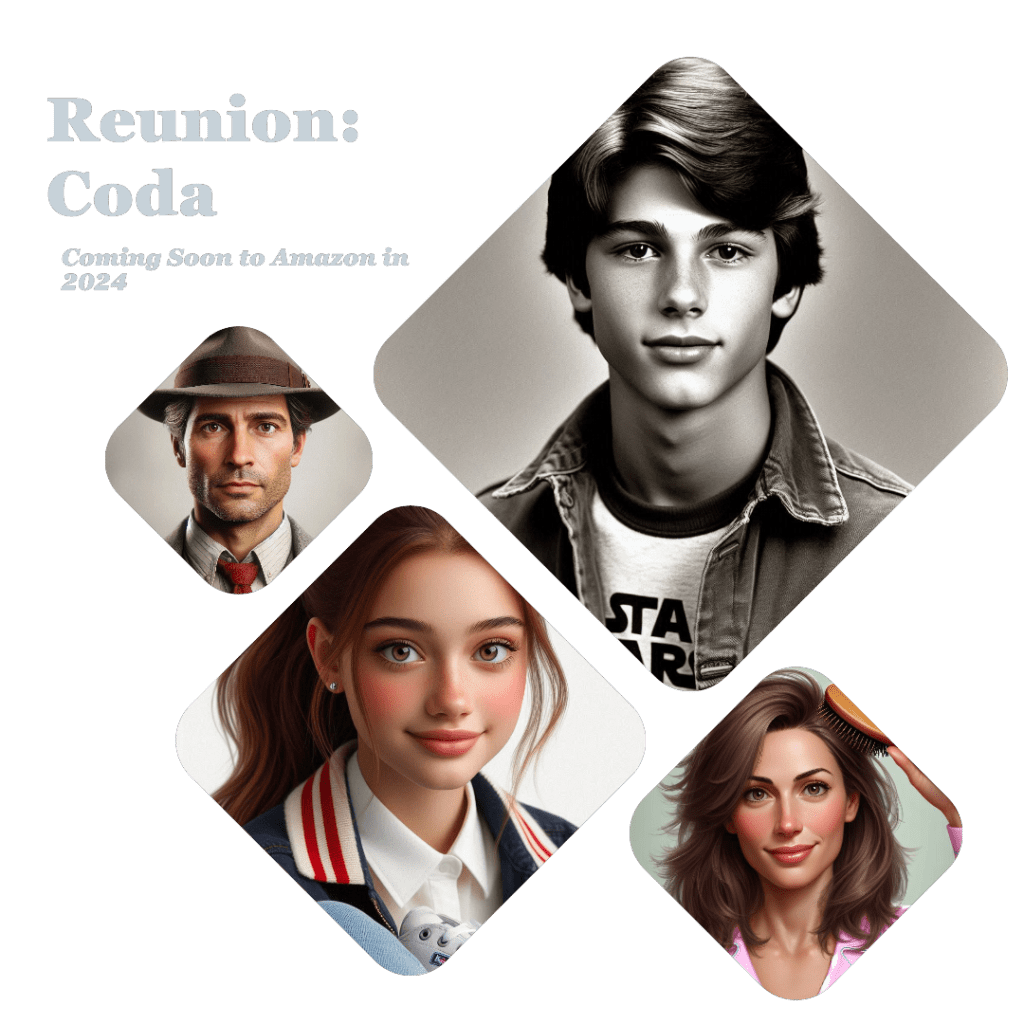
Jim Garraty’s sentimental nature, inherited from his late mother, influences his interactions and the story’s overall tone. This trait, both a strength and weakness, fosters emotional connections and vulnerability. His self-deprecating humor, developed after high school, helps him navigate adversities. These characteristics make him both likable and credible, adding depth to his character.
-

Narrative Threads: A Conversation on Crafting the Reunion Duology, Part the Fourteenth
Music and Emotion: Maddie is a concert pianist for the New York Philharmonic. How did you use music to enhance the emotional depth of the story? Are there specific pieces of music that played a significant role in the narrative? Music is a huge deal in the Reunion Duology, and it shapes the story in…
-

Narrative Threads: A Conversation on Crafting the Reunion Duology, Part the Thirteenth
The author of “Reunion: Coda” drew inspiration from Billy Joel’s “Scenes from an Italian Restaurant” to implement a dual timeline approach. This allowed for a seamless transition between early 1980s South Florida and early 2000s New York City. The story features Jim and Marty’s high school journey and Jim’s romance with Maddie, presented through alternating…
-
Narrative Threads: A Conversation on Crafting the Reunion Duology, Part the Twelfth
The Reunion Duology by Alex Diaz-Granados is a compelling tale of love, heartbreak, and redemption. Through relatable characters, the author explores themes of acceptance and second chances. While not aiming for a specific message, the books encourage readers to embrace love and fearlessly follow their hearts.
-
Narrative Threads: A Conversation on Crafting the Reunion Duology, Part the Tenth
The author approaches dialogues as if writing a screenplay, embodying the characters and imagining their discourse. Dialogues are refined by reading aloud and ensuring authenticity, especially with female characters. Writing for a male protagonist is natural, but crafting dialogues for women, such as Maddie, proves more challenging due to the complexities of their personalities and…
-

Narrative Threads: A Conversation on Crafting the Reunion Duology, Part the Ninth
The author of “Reunion: Coda” faced challenges in writing from the perspective of a history professor, drawing from personal experiences of history classes in college. Crafting the protagonist’s lecture dialogue at Columbia University required tapping into memories of Miami-Dade professors. The process involved blending various teaching styles for a distinctive vibe.
 A Certain Point of View, Too