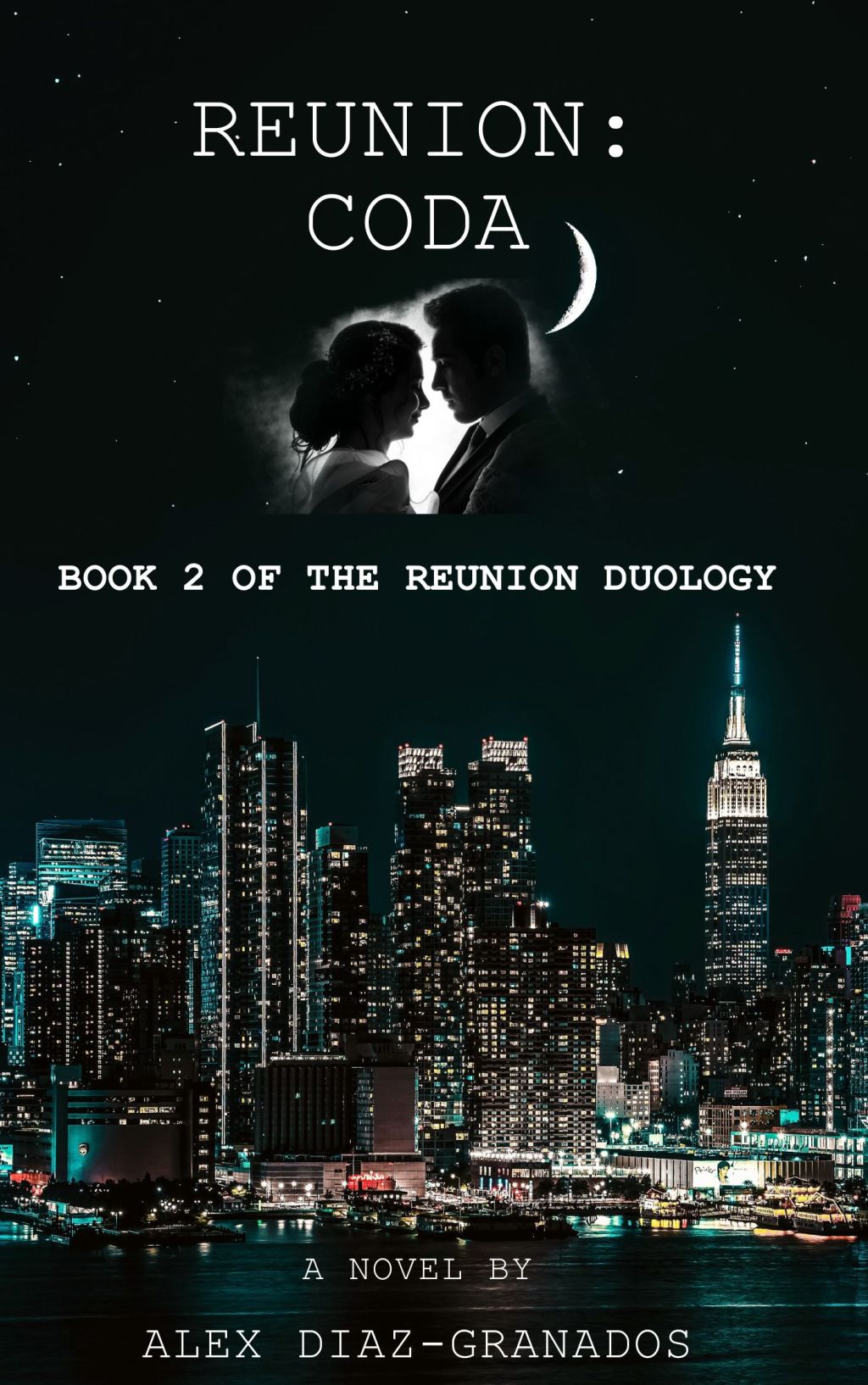

Late Morning, Monday, July 8, 2024, Madison, New Hampshire

Hello, friends. The lengthy and dreary holiday weekend of July Fourth has passed. A fresh week of writing awaits me. I wish Calliope, my Muse, would grace me with her presence soon. Reunion: Coda is not a self-writing book, and I could use some creative spark.
Weekend Update, Part the Second: A Quick Recap of Sunday

It was a hot, muggy, and humdrum weekend. I did the same thing on Sunday as I did on Saturday, July 6, except for going to Hannaford. At least I got out of the house for a while and restocked my pantry.
Apart from not having to stress over milk supply (a big worry for me since I’m over 60), the highlight of yesterday was making a “Maddie Burger” for dinner. It’s a beef Bubba Burger (sweet onions flavor) with thin provolone cheese, some Sweet Baby Ray’s barbecue sauce, and English muffins as burger buns. It was yummy.
(The name of this dish comes from the nearby town of Madison and one of the main people in Reunion: Coda. Cool, right?)
On Writing & Storytelling: Finding (and Playing with) the ‘Novel’ Template

This weekend was a quiet one, with no fireworks to light up the sky or spark my imagination. But I still found some simple pleasures, like getting groceries at Hannaford and watching The Acolyte on Disney+ with subtitles.
The best part of my weekend, though, happened on Friday night, when I stumbled upon (or remembered) the “Novel” template in my Microsoft Word.
If you’re a regular reader of my blog, you know that I’ve been working on my debut novel (and the second book in the Reunion Duology), Reunion: Coda, since March 2023. I started it on the basic document template, which is not, I repeat not, what a literary agent or publisher wants to see.
It’s a mystery to me why I chose to look for the Novel format on Word when it was already way past my knock-off time of 6 PM, and I’d done as much tweaking and polishing as possible without asking the Copilot AI to help me with my work. I have a vague memory of trying to use that template for one of my failed projects – a historical novel about the Normandy invasion in the summer of 1944 – and making such a mess of it that I decided to stick with the standard Document one.
Maybe it was because of boredom – my constant enemy here in Madison – or curiosity, but after 9 PM I fired up my Word app, tapped on the Templates button, and…voila…I spotted the thumbnail that said “Novel.”

The Novel template is a godsend for aspiring authors like me. It has everything you need to format your manuscript according to the industry standards: 12-point Times New Roman font, double-spaced lines, one-inch margins, page numbers, and a header with your name and book title. It also has preset styles for chapter titles, scene breaks, and quotations, as well as helpful tips on how to structure your plot, develop your characters, and edit your work.
I was amazed by how easy it was to use the Novel template. All I had to do was copy and paste my existing text into the template, and it automatically applied the correct formatting and styles. I could also adjust the settings to suit my preferences, such as changing the font size or color, adding or removing indents, or inserting page breaks. The template even had a word count feature that showed me how many words I had written per chapter and overall.

Now, I’m not one to change horses in midstream, but I have to admit that the Novel template made my manuscript look much more professional and polished. I was so impressed by the result that I decided to copy and paste my entire manuscript into the template, even though it meant resetting the page numbers for each chapter. It was a bit of a pain, but it paid off eventually.

Sure, I would have had a lot more fun on my Friday night if I had hooked up with a hot lady or witnessed a spike in my book sales on the Reports page of my Kindle Direct Publishing account. But…I’m not picky about my wins, as long as I get them somehow.
On Writing & Storytelling: Action This Day

As I said earlier, today marks the start of a new workweek. So as soon as I publish this blog post on WordPress, I’ll take my usual two-hour midday break to eat lunch and relax for a while before coming back to work on the novel for four hours.
One of the challenges of being a “seat of the pants” writer is that you never know what will happen next. You don’t have a detailed outline to guide you, only a vague idea of where you want your story to go. Sometimes, this can lead to surprising and exciting discoveries, as your characters take on a life of their own and lead you to places you never expected. But other times, it can also lead to frustration and confusion, as you struggle to make sense of the scenes you have written and to connect them to a coherent plot.
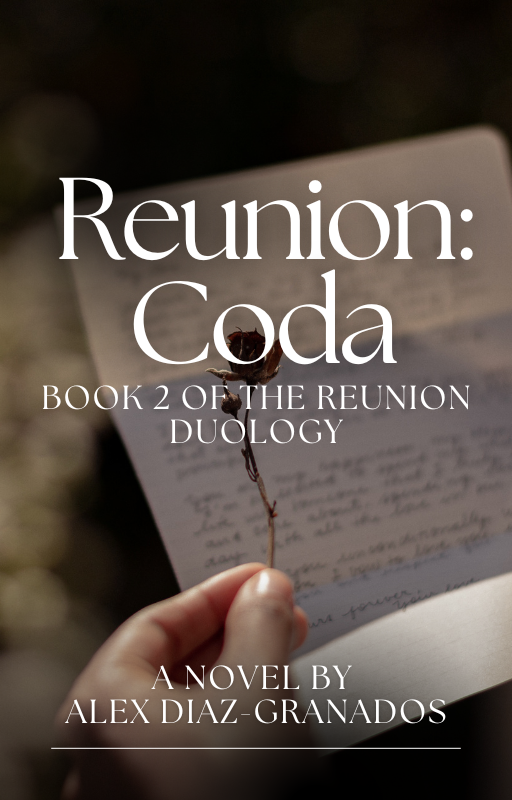
I have experienced both sides of this coin many times in my writing career. There are days when I sit down at my desk and the words flow effortlessly, as if I’m channeling some divine inspiration. And there are days when I stare at the blank screen and wonder what the hell I’m doing. Sometimes, I have a clear vision of how a scene should play out, but when I try to put it into words, it sounds flat and boring. Other times, I have no clue what should happen next, and I end up writing random stuff that has nothing to do with the rest of the story.
That’s why I have learned that writing is not only a matter of typing but also of planning. Unless I have a solid outline for the scenes that are only vague concepts in my mind, I find it very hard to write them. I need to know who is involved, what they want, what they do, what they say, and what the consequences are. I need to have a sense of direction and purpose, even if I allow myself some room for improvisation. Otherwise, I get lost in the maze of my imagination.

But writing is not only what I do when I sit at my desk. It’s also what I do when I’m away from it. Writing is an all-consuming endeavor, which is why it upsets me when people say it’s an easy career or that it’s not a “real job”. They don’t realize how much time and energy I invest in my stories, even when I’m not actively writing them. When I’m not writing about Jim, Marty, Maddie, and Mark, and their interactions in Reunion: Coda, I’m constantly thinking about them. I think about their personalities, their motivations, their relationships, their conflicts, their emotions, their goals. I think about how they would react to different situations, what they would say, what they would do. I think about what makes them happy, what makes them sad, what makes them angry, what makes them laugh. I think about their past, their present, and their future.

At times, these thoughts manifest as images, resembling snapshots or scenes from a movie. Other times, they materialize as words, such as dialogues or monologues. They may occur when I’m awake, like during a shower, driving, or while listening to music. Alternatively, they might emerge when I’m asleep, through dreams or nightmares. Some thoughts are triggered by what I see, hear, read, or experience, while others appear spontaneously and randomly. Regardless of how they arise, they are always present, lingering in the back of my mind, waiting for me to transcribe them. They fuel my creativity, serving as the spark that ignites my passion for writing. These thoughts are what drive me, and I can’t imagine pursuing anything else. Writing is more than just a hobby, a skill, or a career; it’s a way of life.
 A Certain Point of View, Too
You must be logged in to post a comment.