Author’s Note: Introducing a Garraty Prequel
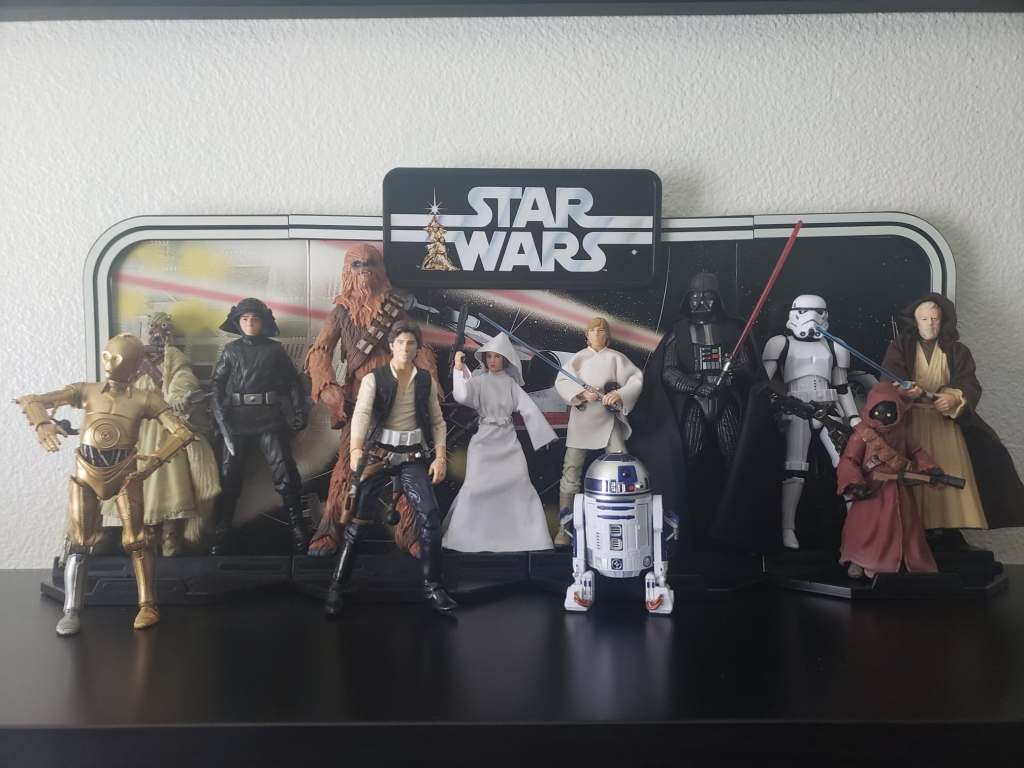
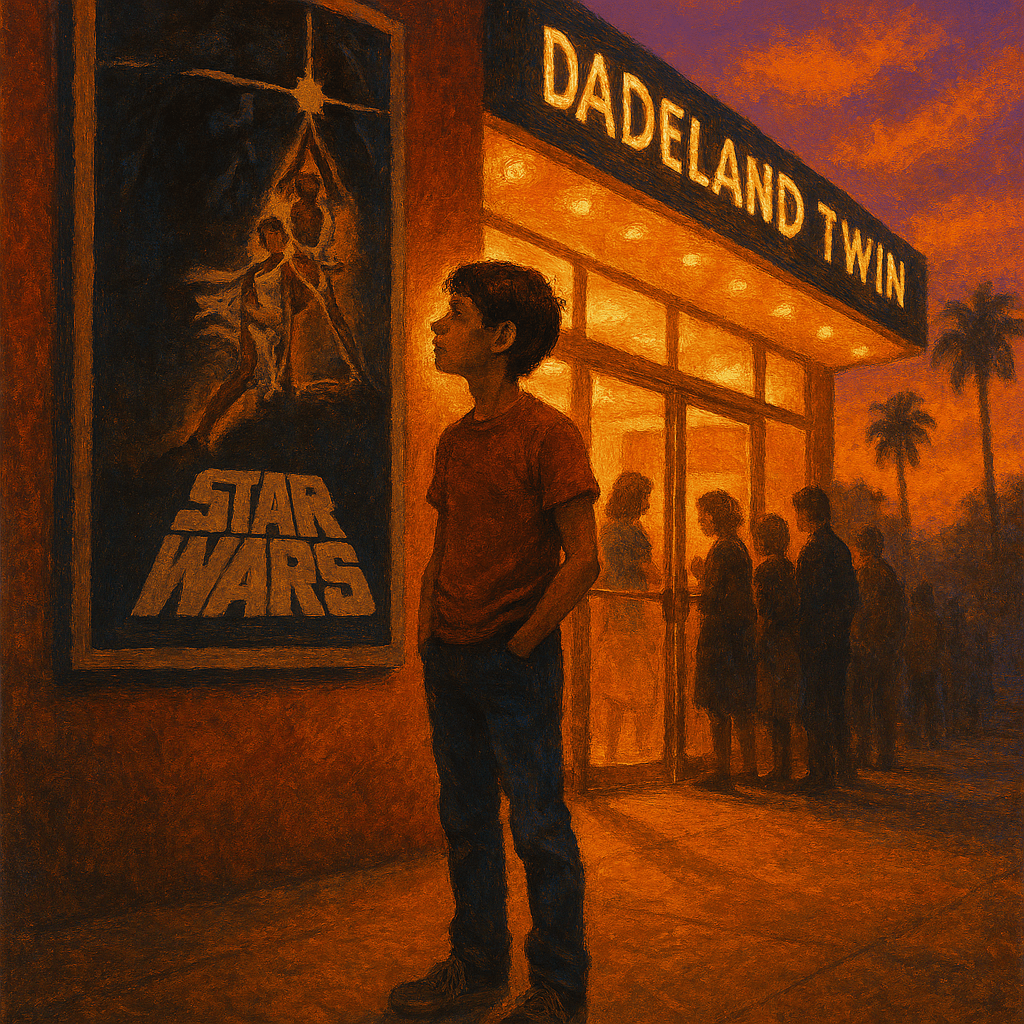
Every so often, a childhood memory resurfaces with enough clarity that it feels less like recollection and more like a scene from a story you once lived. This one comes from the summer of 1977, when Jim Garraty was twelve years old, the Miami heat was relentless, and the Dadeland Twin was still the center of his cinematic universe.
Readers of the Reunion Duology and Comings and Goings have met Jim as a shy high school chorus kid, a history‑obsessed teenager, a college freshman trying to find his footing, and later as a man navigating divorce and the long echoes of first love. But before all of that, he was simply a boy discovering the power of movies — and the way a single summer can leave fingerprints on the rest of your life.
The Summer of Two Movies is a small story, but it sits at the beginning of everything. It’s the earliest glimpse of Jim and Mark’s lifelong dynamic, the first spark of Jim’s reverence for film scores, and the moment when two very different movies imprinted themselves on a boy who didn’t yet know how deeply stories would shape him.
Think of it as Episode I of the Garraty canon — a true prequel, not because it explains anything, but because it shows where the emotional current begins.
I’ll be including this piece in The Jim Garraty Chronicles omnibus, but I wanted to share it here first, in the place where so many of these stories have taken shape.
Here it is.
“The Summer of Two Movies” — A Jim Garraty Story
I was twelve years old in the summer of 1977, and Miami felt like it was sitting under a damp wool blanket. The humidity was so thick you could almost see it, and our aging 1972 Sears Kenmore central A/C unit was fighting a losing battle against it. My mother, Sarah, paced the hallway every time the compressor made a new sound — a rattle here, a cough there — mentally calculating what she could afford to repair and what she absolutely could not afford to replace.
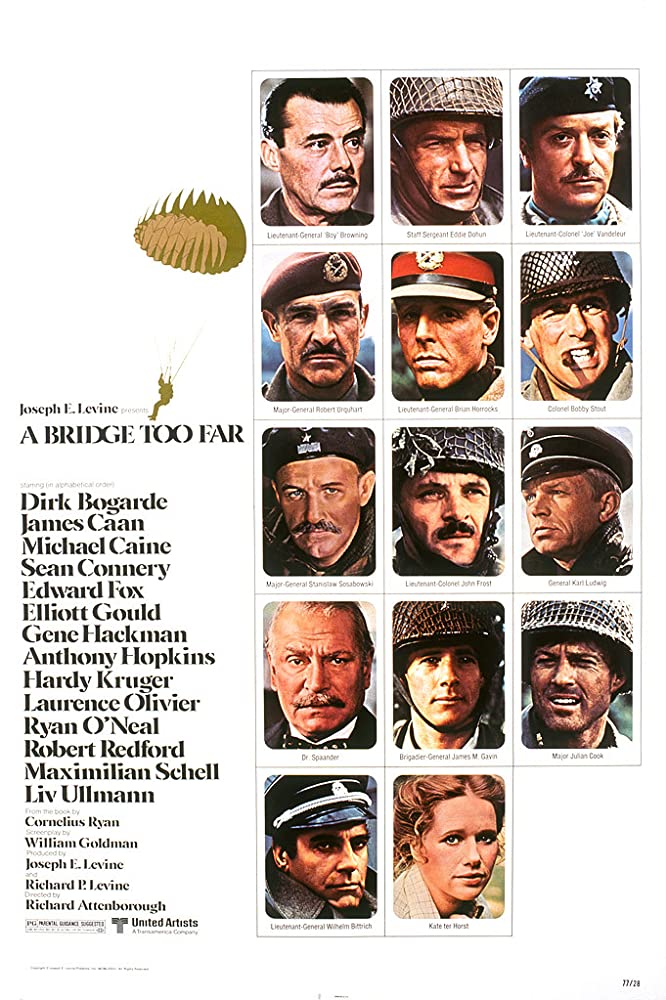
It was in that heat that I came home from seeing A Bridge Too Far for the first time. I had stayed in my seat until the very last credit rolled — something I only did for movies that truly got under my skin. Even at twelve, I listened to film scores as if they were speaking a language only I understood. The music was always the last thing I let go of.
I walked out of the Dadeland Twin blinking into the white Miami sun, still half‑lost in Attenborough’s sweeping, doomed epic. I didn’t have the vocabulary yet for why it moved me; I only knew that it felt big in a way that mattered.
Naturally, I called my friend Mark Prieto as soon as I got home.
Mark and I had been friends since fifth grade, and even then he had the same mix of warmth, irreverence, and skepticism that would define him well into adulthood. I launched into a breathless description of the movie — the cast, the paratroopers, the bridges, the music — and Mark listened with the same patience he would later show when I buried myself in books and maps as an adult.
“That’s great, Jim,” he said when I finally paused. “But you gotta see this other movie. The space one. Star Wars.”
I had heard the whispers.
Everyone had.
But in June of ’77, Star Wars was still more rumor than a phenomenon. Only a handful of theaters had it on opening day, and Miami wasn’t exactly first in line for cultural shockwaves.
“I’ll see it eventually,” I said, trying to sound nonchalant.
“Eventually?” Mark laughed. “Bucko, people are going nuts over this thing. Robots. Laser swords. A giant space station. You can’t wait forever.”
“I’m not into space movies,” I said, which was true enough at the time.
“You will be,” he said, with the confidence of a twelve‑year‑old who had already chosen his side.
He didn’t go see A Bridge Too Far with me.
He went to see Star Wars first.
When he finally did see Attenborough’s film — sometime in July — he called me afterward.
“It was impressive,” he said. “Really impressive. But it wasn’t as fun as Star Wars.”
I felt a small sting of disappointment, the kind only a twelve‑year‑old can feel when a friend doesn’t love the thing he loves with the same intensity.
“But I get why you liked it,” he added. “It’s your kind of thing.”
And that, I suppose, was the first time I understood that Mark and I would always see the world differently — and that it didn’t matter. He didn’t need to love what I loved. He only needed to understand that it mattered to me.
He always did.

Epilogue: October 1977
I held out longer than most.
By October, Star Wars was still playing at the Dadeland Twin — one of those now‑vanished extended runs that kept a hit movie in theaters for months on end. On weekends, the lines still wrapped around the building, a sight that baffled my mother every time we drove past.
One Friday afternoon, right after school, I finally asked her to drop me off.
She gave me a look as we pulled into the parking lot — the same look she gave me whenever she suspected I was about to see A Bridge Too Far for the third or fourth time.
“You’re not going to see that war movie again, are you?”
“I can’t,” I said. “It’s gone.”
She raised an eyebrow, amused. “Mm‑hmm,” she said, in that tone that meant she didn’t believe me for a second — but she pulled into the drop‑off lane anyway.
I got lucky.
I arrived just after the 4:45 PM show had gone in, so the previous line had already disappeared. I took my place in the line for the next screening, which already looked like it would stretch past the glass doors and curl toward the sidewalk.
Two hours later, I stayed in my seat until the last credit faded — the same instinct I’d had with A Bridge Too Far, only this time the music felt like it was lifting me out of the theater. I didn’t know John Williams’ name yet, but I knew the score mattered. I listened to it like my life depended on it.
When I finally stepped outside into the warm Miami night, the world felt subtly rearranged. The sky looked different. The parking lot lights looked different. Everything felt charged, as if the movie had rewired something in me.
As I crossed the lot to wait for my mother, I found myself trying — and failing — to hum the main theme. I didn’t quite have the melody right, but the feeling was unmistakable.
Mark had been right.
I just needed time to catch up.
 A Certain Point of View, Too
Comments
7 responses to “The Summer of Two Movies: A Jim Garraty Story”
[…] memory — that whole emotional constellation — became the spark for “The Summer of Two Movies,” the fourth Jim Garraty story and one of the most autobiographical things I’ve ever […]
LikeLike
Wow, loved the short story. It actually reminded me of the first time I watched Star Wars too as a teenager. Love seeing more of what made Jim Garraty who he is.
LikeLiked by 1 person
Oh, nice! Thank you, Pooj. That means more than you know.
It’s funny — so many of us have that one vivid “first Star Wars” memory tucked away somewhere, and it always ends up shaping us in ways we don’t fully understand until years later. I love that Jim’s early moment with the film echoed something from your own life. Those little intersections are exactly why I wrote this piece in the first place.
Seeing you connect with the parts of Jim that formed long before the events of the books… that’s the kind of reader‑writer moment I’ll never take for granted.
LikeLiked by 1 person
It’s special for the reader too when we see ourselves in a character like that. You’re so welcome!
LikeLiked by 1 person
[…] The Summer of Two Movies (2026, flash fiction) […]
LikeLiked by 1 person
[…] I decided to share my review of The Summer of Two Movies by Alex Diaz-Granados as well because I feel a lot of you would really enjoy it. Especially those of you that have read the books. You can read The Summer of Two Movies here. […]
LikeLiked by 1 person
[…] The Summer of Two Movies was never meant to be anything grand. It was a memory fragment, a moment from Jim Garraty’s early life that had been sitting just under the surface for years. I wrote it quickly, but not carelessly — the way you write when the emotional logic is already there, and all you have to do is open the window and let it through. […]
LikeLiked by 1 person