
How a 4K Disc of A Bridge Too Far Sparked the Fourth Jim Garraty Story
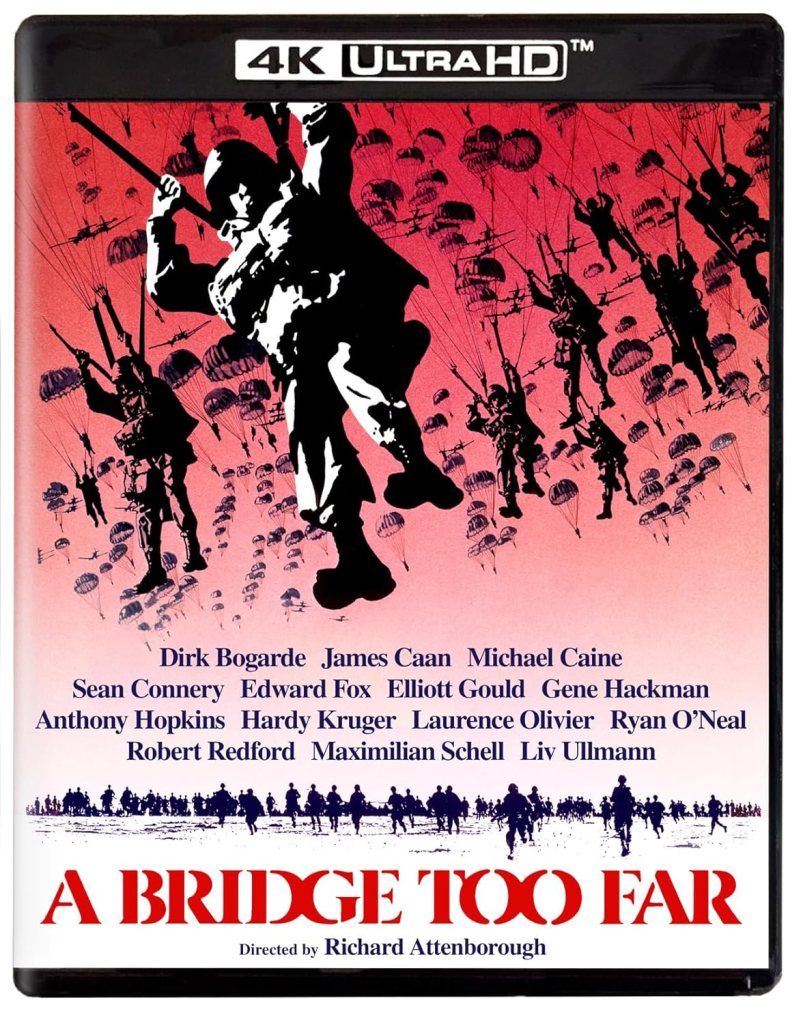
Yesterday, I wrote about finally ordering the 4K UHD release of A Bridge Too Far — a movie that has been part of my personal mythology since the summer of 1977. I thought the post would be nothing more than a cinephile’s small joy: a long‑awaited upgrade, a bit of nostalgia, and the anticipation of seeing Attenborough’s epic with the clarity it deserves.
But writing that post stirred up something deeper.
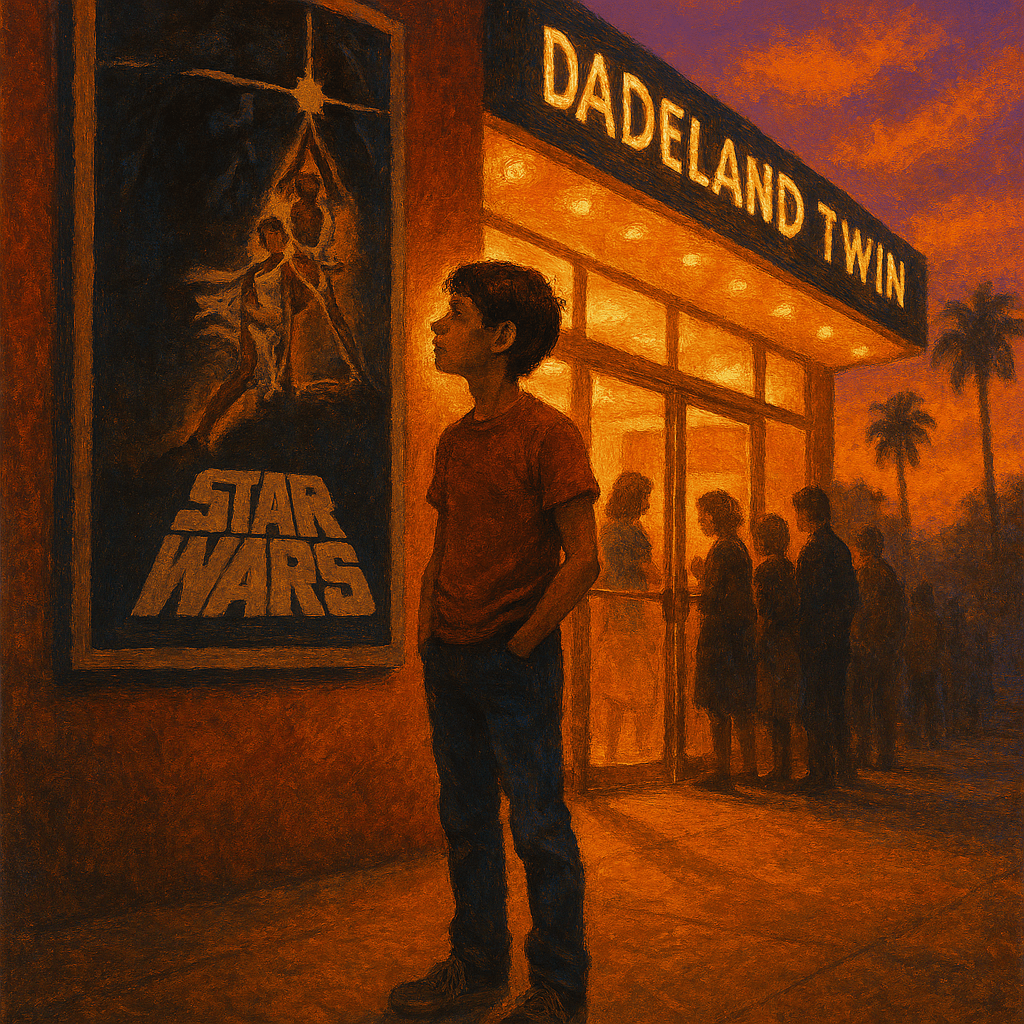
It reminded me of the summer when I first saw A Bridge Too Far — not on VHS, not on cable, but in a theater, twice, to my mother’s mild exasperation. She had to drive me to the Dadeland Twin both times, and she paid for the tickets, which gave her every right to sigh when I asked to go again.
That memory — that whole emotional constellation — became the spark for “The Summer of Two Movies,” the fourth Jim Garraty story and one of the most autobiographical things I’ve ever written.
The summer when two movies defined everything
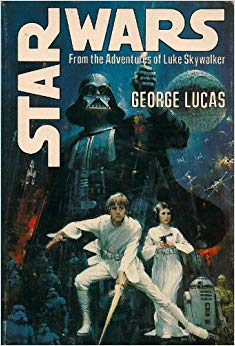
In 1977, the world was divided into two camps: the kids who were obsessed with Star Wars, and the kids who were obsessed with… well, Star Wars.
Except me.
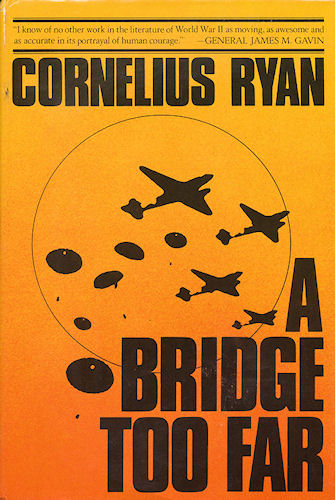
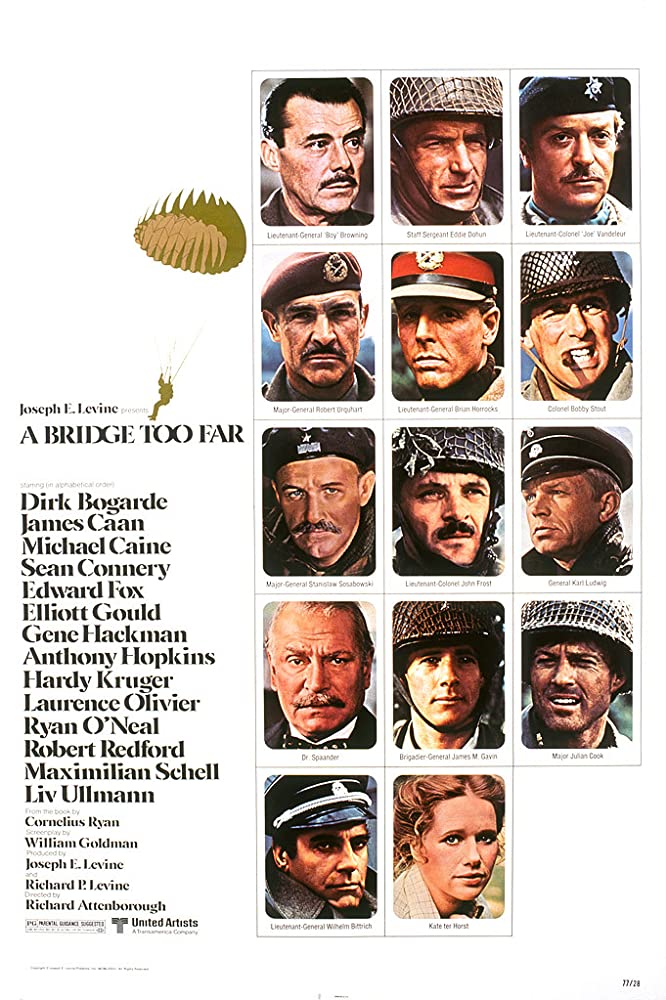
I was the oddball who fell in love with A Bridge Too Far first — the scale, the cast, the score, the seriousness of it. I tried to convince my best friend Mark to see it with me, but he was firmly in the Star Wars camp. He saw Lucas’s film early and came back buzzing about X‑wings and lightsabers while I was still thinking about Arnhem and John Addison’s music.
And like Jim Garraty, I resisted Star Wars for months. I didn’t see it until October of 1977, long after the initial tidal wave had hit. By then, the lines at the Dadeland Twin still wrapped around the building, and my mother still didn’t understand what all the fuss was about.
The friendly tug‑of‑war that defined that summer
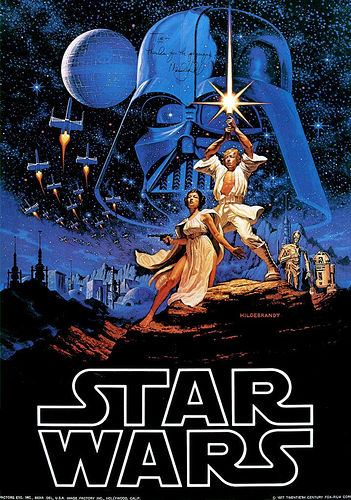
Mark and I spent weeks in a kind of good‑natured cinematic standoff, each of us trying to convert the other. He raved about the spectacle and adventure of Star Wars — the X‑wings, the lightsabers, the sheer velocity of it all. I countered with the grandeur and gravity of A Bridge Too Far, the sweep of history, the cast of thousands, the music that still echoes in my head.
It wasn’t an argument so much as a ritual. Two kids, two movies, two worldviews forming in real time.

Eventually, Mark caved — sort of. He went to the Dadeland Twin alone, catching A Bridge Too Far just a week before it vanished from theaters. When he came back, he admitted he “kind of liked it.” The action stuck with him. The music stuck with him. A few tense moments lodged themselves in his imagination.
But it didn’t convert him.
Mark stayed firmly on Team Lucas, still buzzing about the Force long after the credits rolled. And I stayed the kid who preferred the war epic with the somber score and the impossible mission.
That gentle tug‑of‑war — that summer of two movies — is the emotional backbone of the story I ended up writing.
Why this story is so personal
“The Summer of Two Movies” isn’t just inspired by my life; it’s built from it.
It’s me remembering:
- the theaters I sat in
- the way Miami felt in that era
- the friends who shaped my early sense of self
- the thrill of discovering a film that felt like it was speaking directly to me
- and the quiet ache of knowing childhood was shifting under my feet
Jim Garraty becomes the lens, but the emotions are mine. The awkwardness, the wonder, the stubbornness, the sense of being slightly out of step with everyone else — all of that comes straight from that summer.
Why it belongs in the omnibus
This story reaches back to the earliest point in Jim’s timeline. It shows the moment when movies became part of his emotional architecture — the same way they became part of mine.
It’s not an add‑on.
It’s not a bonus track.
It’s a missing chapter of who Jim is and how he sees the world.
And it exists because yesterday, I wrote a blog post about a 4K disc arriving via Amazon Prime delivery van.
Memory begets art, and art begets memory
That’s the funny thing about creativity: you never know which small moment will open a door you didn’t realize was still closed.
A preorder.
A blog post.
A memory of a theater in 1977.
A spark.
And suddenly, you’re writing the most personal story in the Garratyverse.
Tomorrow, the disc arrives.
But the real gift showed up early.
 A Certain Point of View, Too
You must be logged in to post a comment.