

When a Friend Publishes a Book: Why Honest Reviews Matter
One of the trickiest situations a writer or reviewer can find themselves in is this: a friend publishes a book, and you’re asked — directly or indirectly — to review it.
On the surface, it sounds simple. You read the book, you write your thoughts, you hit “publish.” But anyone who has spent time in the writing community, especially online, knows it’s not that straightforward. There’s an unspoken pressure to be supportive, to be kind, to be “part of the circle.” And in many corners of the internet, that pressure turns into something else entirely: a praise economy where every book is “amazing,” every debut is “phenomenal,” and every writer is “brilliant.”
The problem is that none of that helps anyone grow.
The Friendship Trap

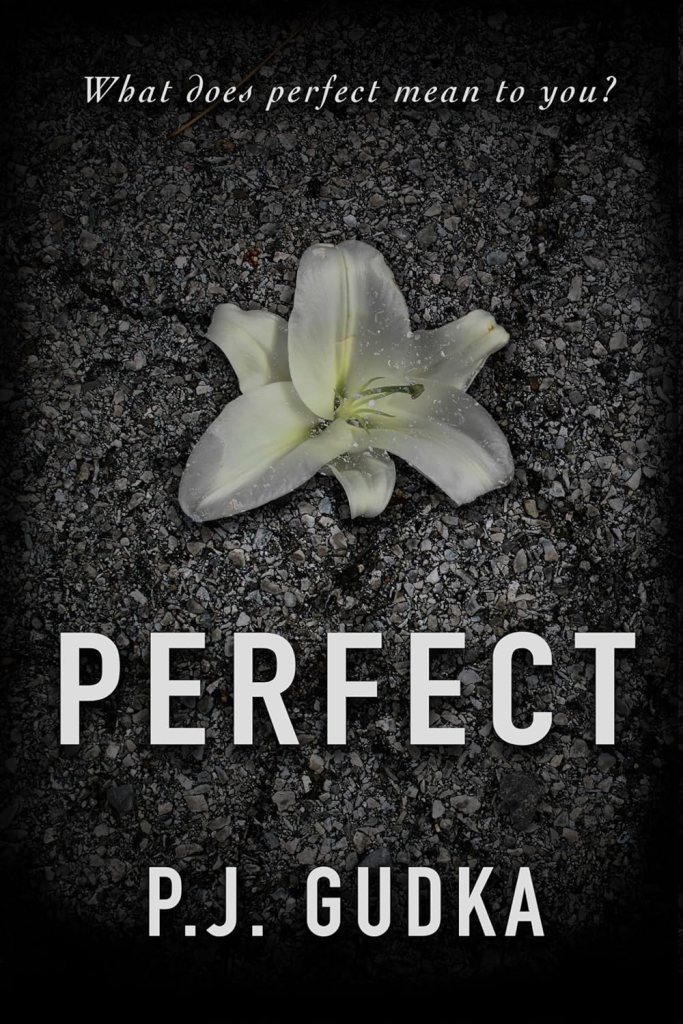
(Photo by the author)
When you know the author personally — even casually — the stakes feel different. You’re not just reviewing a book; you’re reviewing someone’s dream, their effort, their vulnerability. And if you’re a decent human being, you don’t want to hurt them.
But here’s the uncomfortable truth:
Friendship doesn’t make a book better.
And friendship shouldn’t make a review dishonest.
A review isn’t a hug.
A review isn’t a pep talk.
A review isn’t a loyalty test.
A review is a reader’s honest response to a piece of writing.
If we forget that, we’re not helping our friends — we’re misleading them.
The Praise Circle Problem
Anyone who’s spent time in the blogosphere has seen it: the praise circle. A group of writers who all read each other’s work and give glowing reviews regardless of quality. It’s well‑intentioned, but it creates a bubble where:
- weak writing is rewarded
- honest critique is treated as betrayal
- authors never learn what isn’t working
- readers outside the circle feel misled
It’s a system built on politeness, not growth.
And if you’re someone who takes writing seriously — as craft, not performance — that system feels suffocating.
Honesty Is Not Cruelty
When a friend asks for a review, the kindest thing you can do is tell the truth.
Not brutally.
Not gleefully.
Not with the goal of “teaching them a lesson.”
But with clarity, respect, and the understanding that writing is a lifelong apprenticeship.
Honest feedback says:
- “I respect you enough to tell you the truth.”
- “I believe you can handle critique.”
- “I want your next book to be even better.”
Dishonest praise says:
- “I don’t think you can take honesty.”
- “I don’t believe you’ll grow.”
- “I’m protecting your feelings, not your craft.”
One of those is friendship.
The other is condescension dressed as kindness.
When It Works
Every so often, you encounter a writer who welcomes honest critique — who doesn’t flinch, doesn’t get defensive, doesn’t retreat into the safety of the praise circle. They read your review, thank you for your time, and genuinely consider what you said.
Those are the writers who will improve.
Those are the writers who will last.
And reviewing their work — even when you have notes, even when you have reservations — feels like a real conversation between peers.
When It Doesn’t
And then there are the others.
The ones who want applause, not insight.
Validation, not evaluation.
Five stars, not feedback.
Reviewing their work honestly is a guaranteed ticket to drama, guilt‑tripping, or passive‑aggressive silence. In those cases, the best thing you can do is simply… not review the book at all.
Silence is kinder than false praise — and safer than honesty they’re not ready to hear.
The Bottom Line
Reviewing a friend’s work is hard.
But if you choose to do it, do it honestly.
Not harshly.
Not cruelly.
Not performatively.
Just honestly.
Because in the long run, honesty is the only thing that respects both the writer and the craft.


Share your thoughts with the world!