Thursday, July 2, 2026 – Orlando, Florida
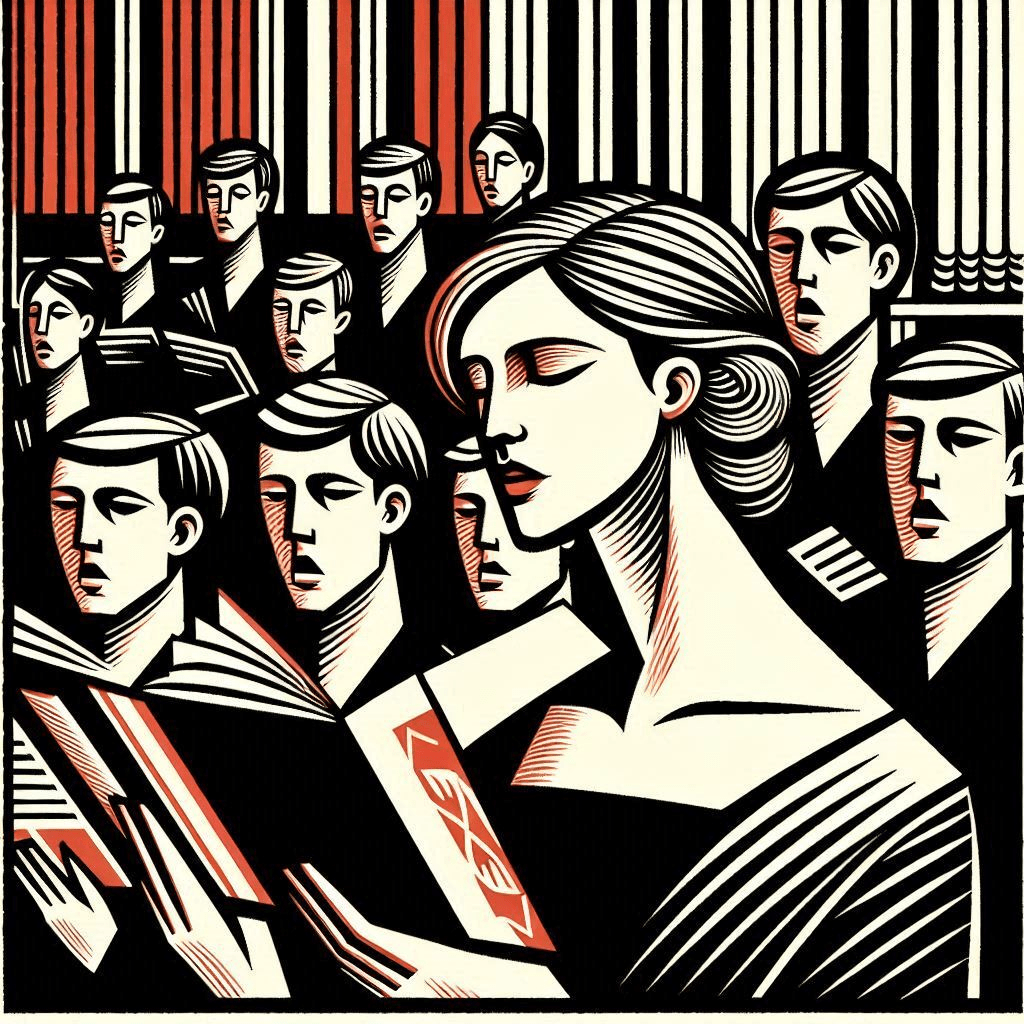
Why Jim and Marty Had to Meet in the Chorus Room (And Not in Journalism)
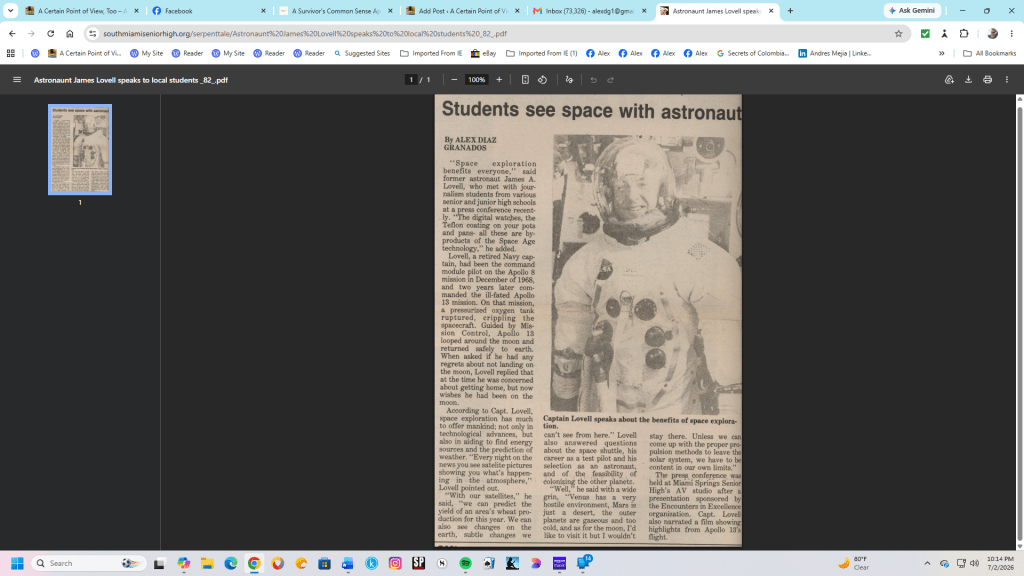
Every so often, a writer hits one of those crossroads where two parts of his own past tug at him like siblings fighting over the front seat. For me, the tug‑of‑war was between two places that shaped who I became: South Miami Senior High’s journalism program—my beloved Serpent’s Tale—and the choral department under Mrs. Quincy (the fictional stand‑in for Ms. Owen).
Both mattered. Both left fingerprints on my life. Both helped build the adult I eventually became.
But when it came time to decide where Jim Garraty and Marty would truly meet—not just occupy the same campus but collide in a way that mattered—I knew the answer before I even admitted it to myself.
It had to be chorus.
I write to music. Jim lives through music. That’s not an accident.

I’ve always written with music playing. Always. It’s not background noise—it’s oxygen. It’s the emotional scaffolding that lets me climb into a scene and feel it from the inside. Music gives me tone, rhythm, pacing, and emotional temperature. It’s how I access memory. It’s how I access truth.
Jim inherited that from me.
He’s a Romantic at heart—sincere, earnest, emotionally open in ways he doesn’t always articulate. He doesn’t stand on a cafeteria table and declare his feelings. He sings them. He expresses himself through harmony, through shared breath, through the way two voices blend on a riser.
That’s why his world had to begin in the chorus room.
Journalism shaped my mind. Chorus shaped my heart.
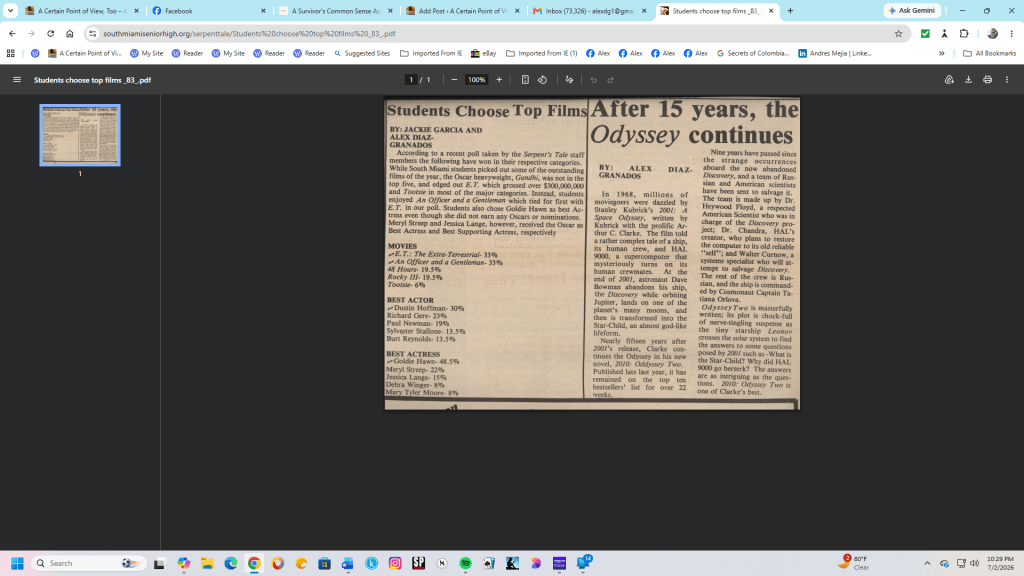
I loved journalism. I wasn’t just dabbling—I majored in it at Miami‑Dade after high school. Journalism taught me discipline, structure, clarity, and the power of a well‑crafted sentence. It gave me confidence. It gave me purpose.
But journalism is analytical. It’s about stepping back from the moment so you can describe it.
Chorus is immersive. It’s about stepping into the moment so you can feel it.
Jim and Marty needed immersion, not analysis.
They needed a place where emotion wasn’t just allowed—it was required.
Music collapses distance in a way journalism never could.
In chorus, you stand shoulder‑to‑shoulder with people. You breathe together. You listen to each other’s voices. You hear nerves, hope, heartbreak, joy—all of it—woven into the sound.
That’s intimacy.
That’s vulnerability.
That’s the perfect soil for a teenage crush that’s tender, quiet, and deeply felt.
Journalism, meanwhile, is desks, typewriters, layout boards, and deadlines. It’s intellectually rich, but it doesn’t create spontaneous emotional proximity. It doesn’t force two people to share a moment in real time.
Chorus does.
The chorus room is cinematic. Journalism is static.
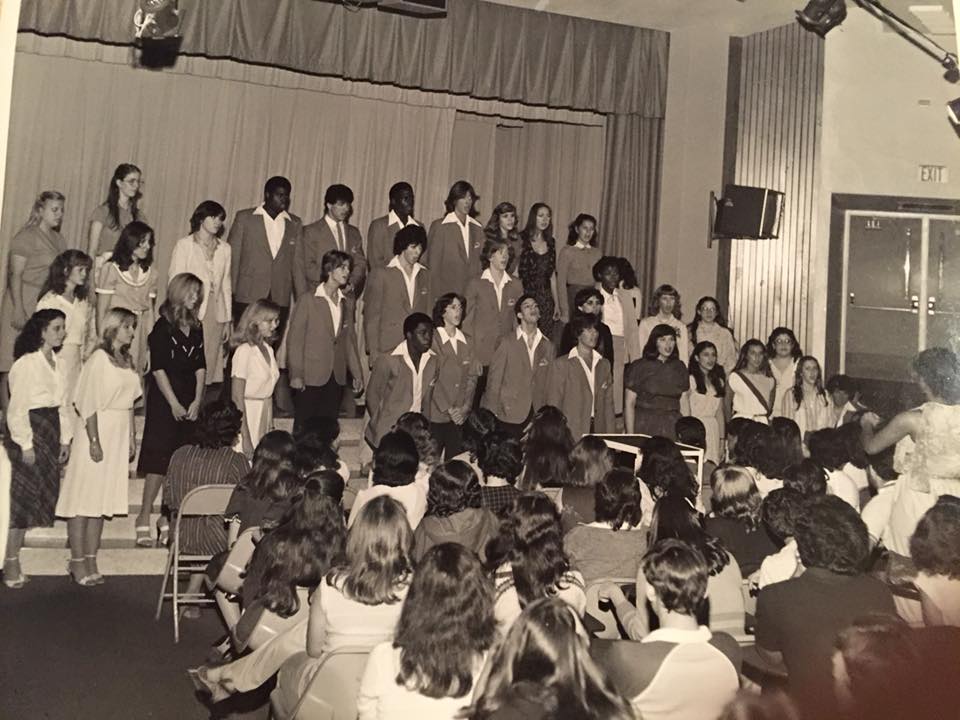
The chorus room at South Miami Senior High was practically a movie set:
- risers
- sheet music scattered like confetti
- the piano anchoring the room
- the hum of fluorescent lights
- the echo of voices warming up
- the nervous energy before Mrs. Quincy raised her arms to conduct
It’s a space that moves. It breathes. It creates natural staging.

Journalism, for all its importance, is visually still. It’s desks and paper. It’s fluorescent lights and deadlines. It’s a newsroom, not a stage.
Jim and Marty needed a stage.
And then there’s “Somewhere.”

If you want proof that music is Jim’s emotional language, look at his senior year. He doesn’t confess his feelings to Marty in a hallway or through a note slipped into her locker.
He asks her to sing “Somewhere” with him.
That’s how he tells her she matters.
That duet was supposed to be their Spring Concert moment—a shared emotional declaration wrapped in Bernstein and Sondheim. And when that concert was canceled, the ripple effect hit both of them. It wasn’t just a missed performance. It was a missed connection. A missed chance for Jim to say something he didn’t dare to say outright.
That moment only works because their relationship is rooted in music.
If they’d met in journalism, that emotional architecture wouldn’t exist.
The truth is simple: chorus is where the story breathes.
Jim and Marty meeting in the chorus room wasn’t just a creative decision—it was an emotional necessity. It gave them:
- a shared artistic language
- a space where vulnerability is normal
- a soundtrack for their relationship
- a way to express feelings without saying them
- a setting that mirrors my own emotional memories
Journalism shaped me.
Chorus shaped my heart.
And when I write the Garratyverse, I follow the heart.


Share your thoughts with the world!