TIME Magazine — July 15, 1985
THE STRAIT OF FIRE
U.S. Task Group Battles Through Palawan as Asia Erupts
By Tony Lau, Staff Correspondent, Singapore Bureau
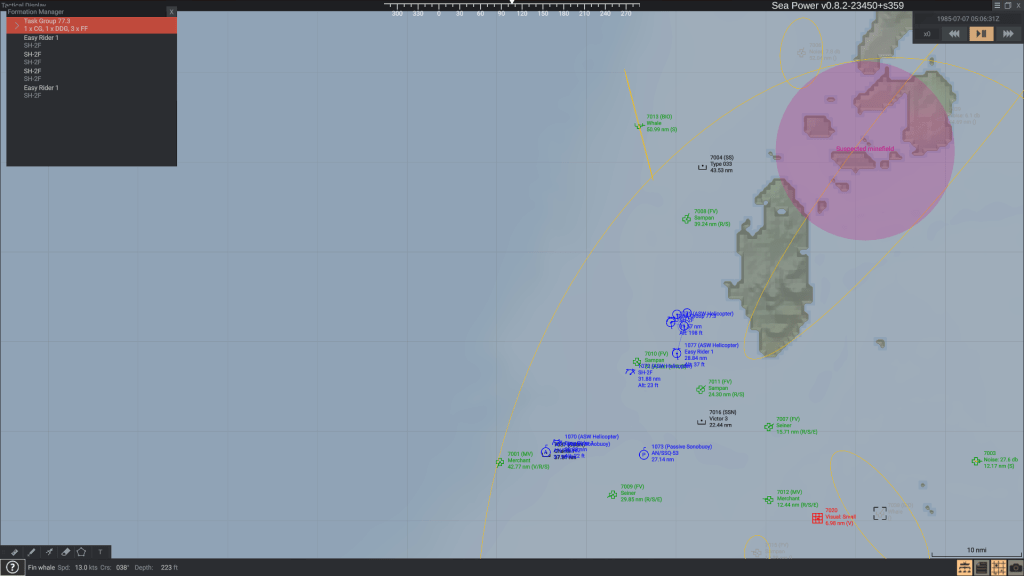
The first hint that Southeast Asia had become the newest front in the widening global conflict a month after its outbreak came not from the burning skyline of Singapore or the sudden landings at Palawan, but from a terse radio transmission issued by a small U.S. Navy task group threading the narrow waters south of Balambangan Island.
“Multiple subs in the strait. Silkworm battery active. Intelligence craft shadowing the formation.”
With that message, the Cold War’s long‑simmering tensions in the region ignited into open war.
A Narrow Passage Turns Deadly
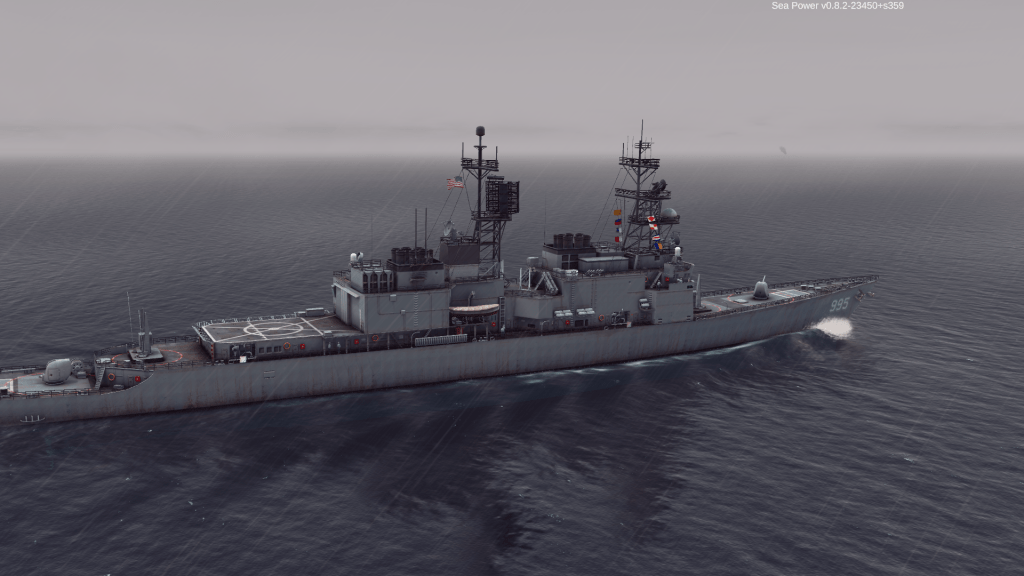
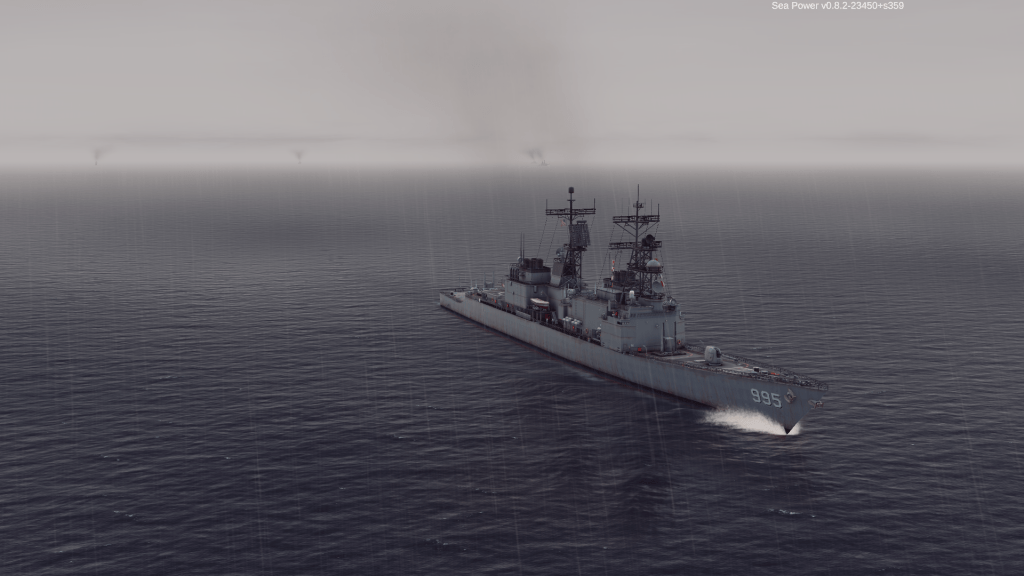
Task Group 77.3 — built around the cruiser Horne and the destroyer Scott — was ordered to break through the strait and reach open water. The assignment sounded routine. It was anything but. The corridor had already become a lethal funnel: Soviet and Chinese submarines lurked along the predictable route, a coastal missile battery watched from the northern tip of Balambangan, and minefields choked the shallows.
And then there were the intelligence craft.
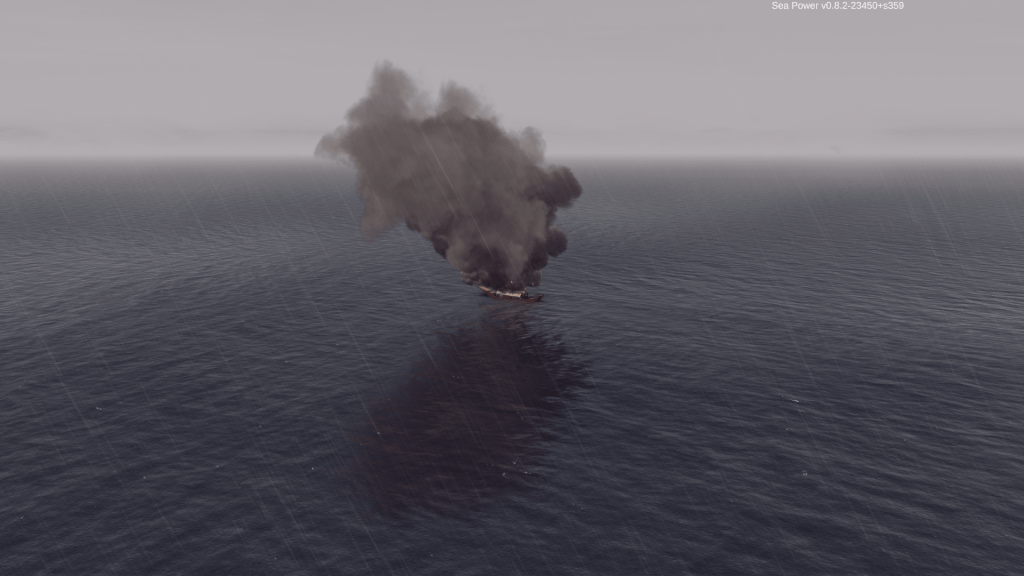
One of them, a small wooden sampan operating suspiciously close to the American formation, became the first casualty of the transit. When the vessel refused warnings and continued shadowing the task group, Scott’s 127mm gun opened fire. The rounds tore through the hull, igniting the craft and forcing its crew to abandon ship as flames engulfed the wreck.
“It was surreal,” said one sailor. “A tiny boat burning in the rain while we pushed through a strait full of submarines.”
The Invisible Battle Below
The real fight, however, unfolded beneath the waves. SH‑2F helicopters dipped their sonars into the rain‑streaked sea, hunting for the faint signatures of diesel submarines lying motionless on the seabed. When they found them, the response was swift: Mk‑46 NEARTIP torpedoes plunging into the depths, detonating with muffled thunder.
By the end of the transit, every submarine in the strait had been destroyed.
A senior Pentagon official, speaking on background, called the operation “one of the most effective confined‑water ASW actions conducted by the U.S. Navy in decades.”
Rescue Amid the Chaos
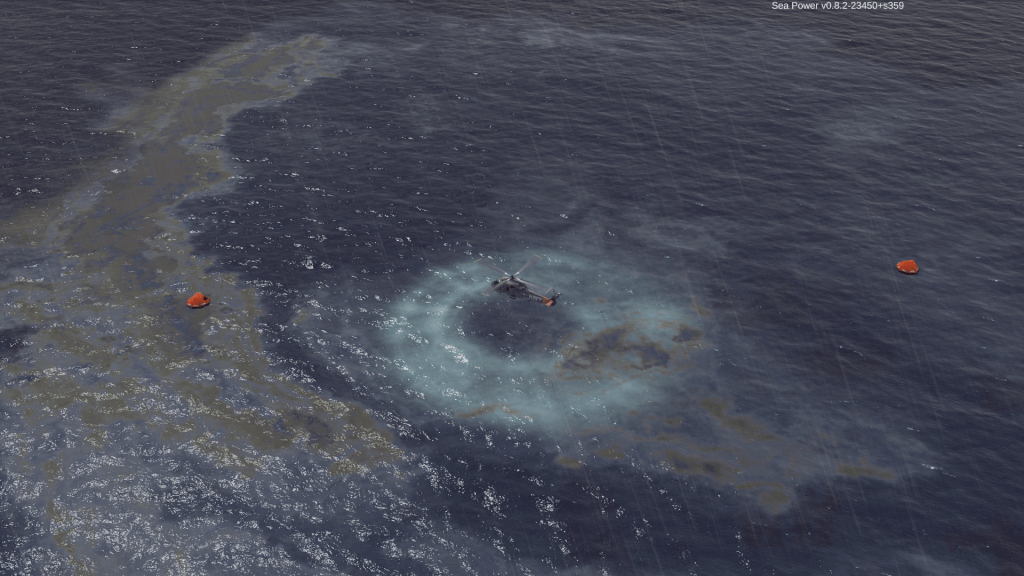
Not all encounters were hostile. As the task group advanced, helicopters spotted life rafts drifting near the burning sampan. Despite the ongoing battle, rescue swimmers were lowered into the oily water, pulling 82 survivors to safety.
“It was a strange moment,” one pilot recalled. “Rain, smoke, rotor wash — and we were saving the very people who had been shadowing us minutes earlier.”
A Region in Crisis
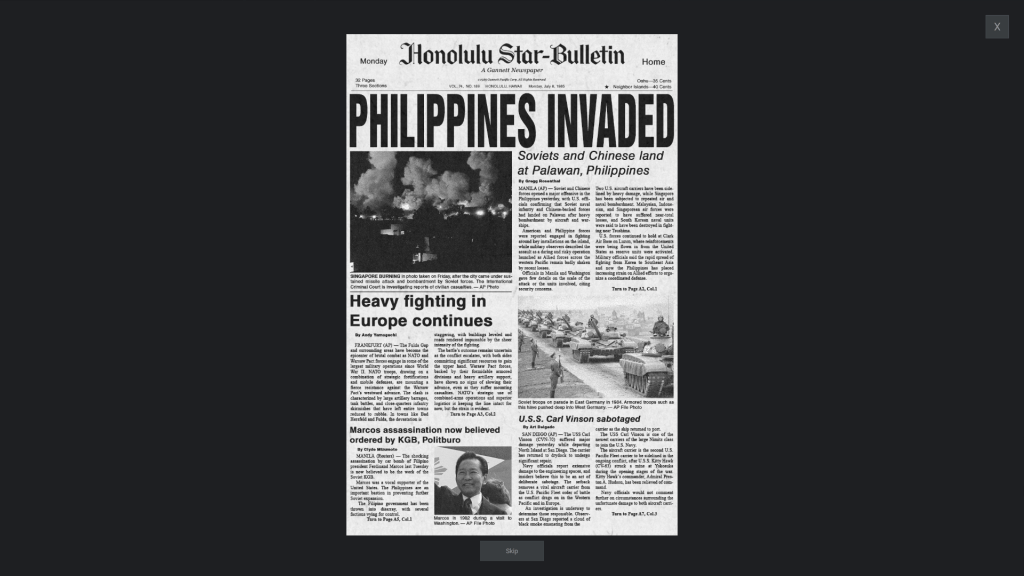
The battle in the strait was only one part of a larger catastrophe. Soviet and Chinese forces landed at Palawan in force, igniting a regional crisis that now threatens to pull multiple nations into open conflict. Singapore burned for two nights after missile strikes. Intelligence sources claim the assassination of Philippine President Ferdinand Marcos was ordered directly by the KGB.
In Washington, officials insist the United States “will not abandon Southeast Asia.”
A Captain’s Record
For Captain Alex Diaz‑Granados, commanding Task Group 77.3, the Palawan transit has already become a defining moment. After three harrowing naval clashes with Soviet and Chinese forces in the Western Pacific, his service record now lists:
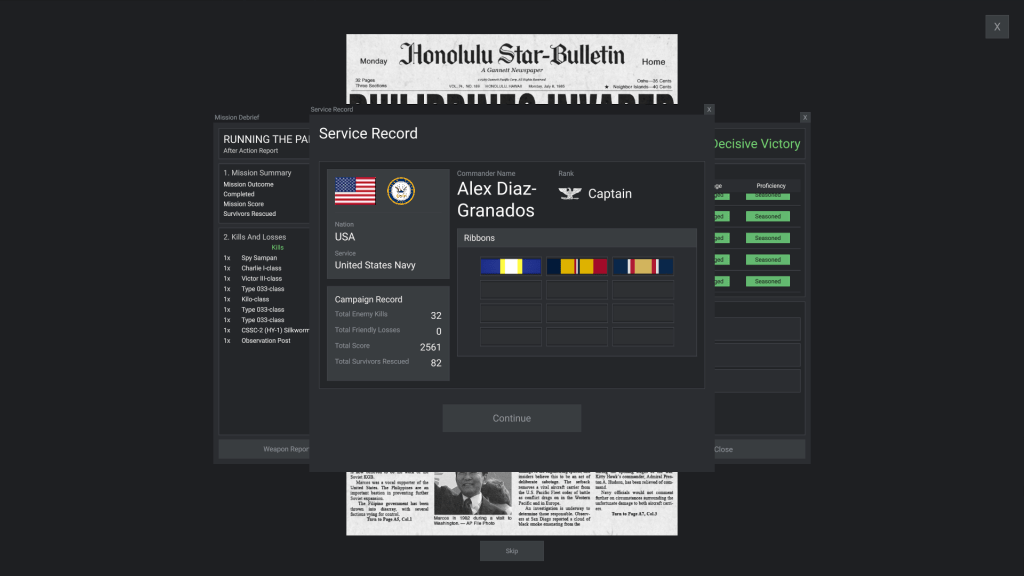
- 32 enemy vessels destroyed
- 0 friendly losses
- 82 survivors rescued
A Navy spokesperson described the operation as “a decisive victory under the most difficult circumstances.”
The War’s Newest Chapter
The conflict in Asia is still unfolding. Palawan is contested. Singapore smolders. And the U.S. Navy is repositioning forces for what may become the largest maritime campaign of the decade.
But in the narrow strait south of Balambangan, one thing is already clear: the opening chapter of this war belongs to a small American task group that fought its way through rain, fire, and steel — and emerged intact.
SIDEBAR: WHO ARE THE SAMPAN SPIES?
A closer look at the shadow fleet haunting Southeast Asia’s war zones
They look harmless at first glance — small wooden boats, low‑powered engines, a few men aboard, sometimes fishing gear piled near the bow. But U.S. Navy officers say these “sampan spies” have become one of the most persistent intelligence threats in the waters around Palawan.
A Poor Man’s Reconnaissance Network
According to defense analysts, the sampans are part of an improvised surveillance system operated by local proxies aligned with Soviet and Chinese forces. Cheap, quiet, and nearly invisible on radar, the boats drift close to American formations and relay:
- ship positions
- course and speed
- radio emissions
- helicopter activity
- and even sonar buoy patterns
“They’re not amateurs,” says one intelligence official. “They know exactly what to look for.”
Close Enough to Touch
The sampans often approach within a few hundred yards — close enough for crewmen to photograph U.S. ships with handheld cameras or pass coordinates to shore‑based missile batteries. In the narrow straits south of Balambangan, that proximity can be deadly.
One senior officer put it bluntly: “If a Silkworm battery knows where you are, it doesn’t matter whether the spotter was a satellite or a guy in a wooden boat.”
A Fiery Encounter
During the recent transit of Task Group 77.3, one such sampan refused repeated warnings and continued shadowing the formation. When it crossed into a restricted zone, the destroyer Scott opened fire with its 127mm gun. The rounds tore through the hull, igniting the craft and forcing its crew to abandon ship as flames engulfed the wreck.
U.S. helicopters later rescued several survivors — a moment that underscored both the human cost of the conflict and the strange duality of fighting a war where the enemy may arrive in a vessel better suited to carrying fish than intelligence gear.
Why They Matter
In a region where geography favors ambushes and missile traps, the sampans give hostile forces a cheap way to track American movements. They are expendable, deniable, and effective.
“They’re the eyes of the strait,” says one analyst. “And sometimes, the eyes get too close.”


Share your thoughts with the world!