
Thursday, August 20, 2026 – Orlando, Florida
Every story—or, in this case, every collection of stories—begins somewhere. It may start with a flash of inspiration, a lingering memory, a familiar-looking person or place, or even an old college creative-writing assignment that suddenly makes you want to revise, expand, and share it.
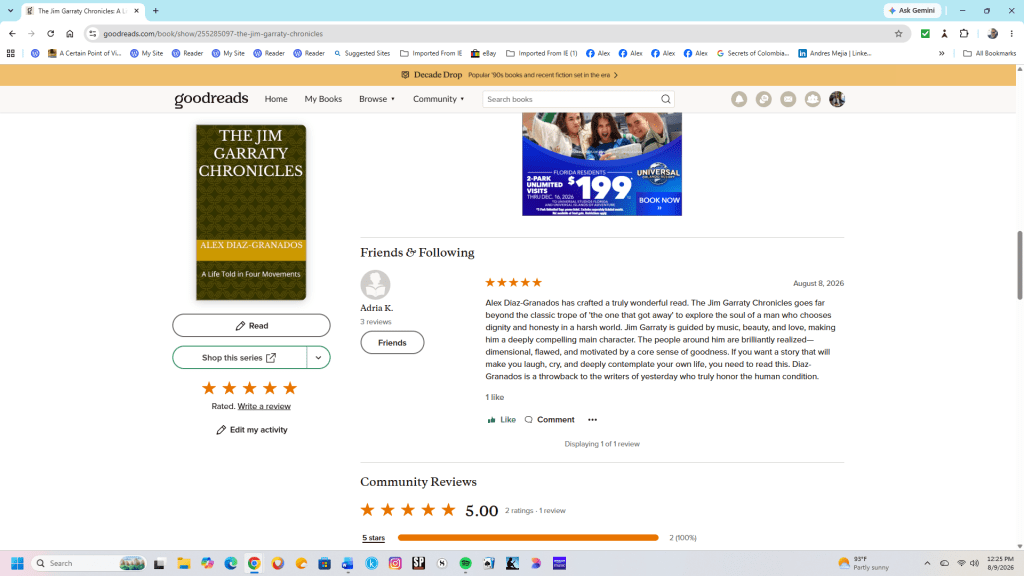
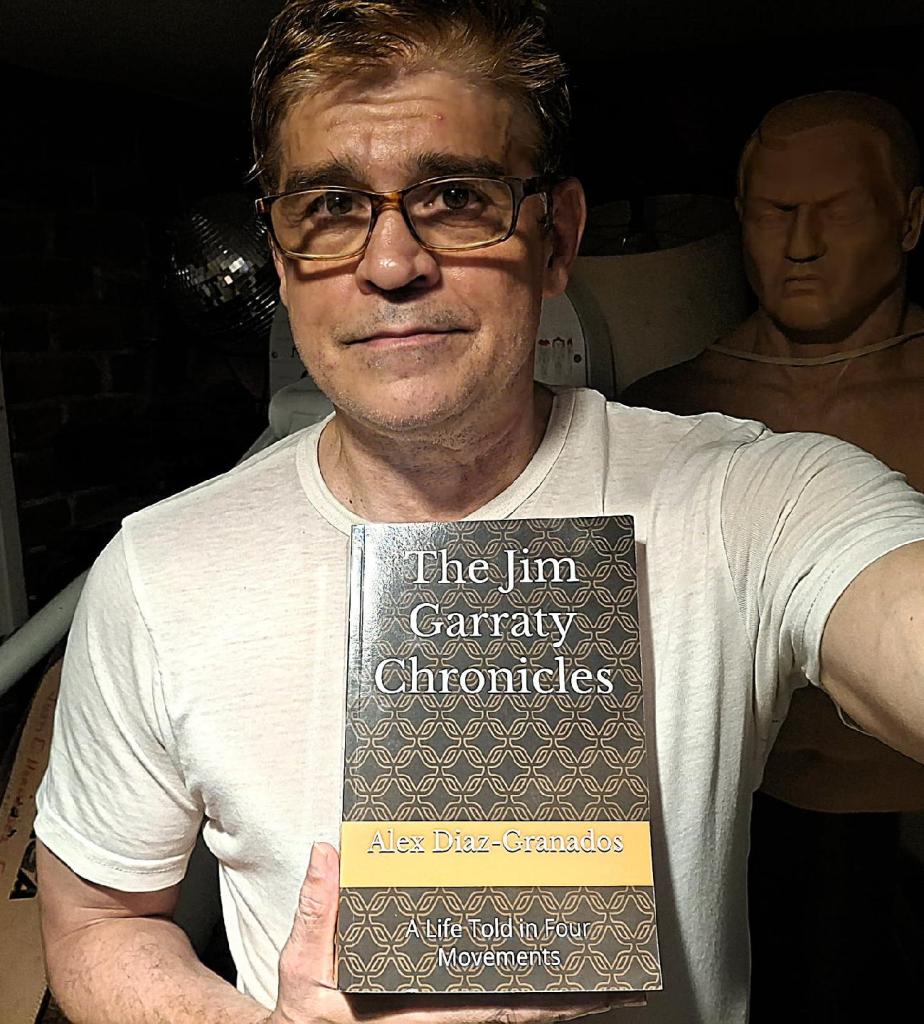
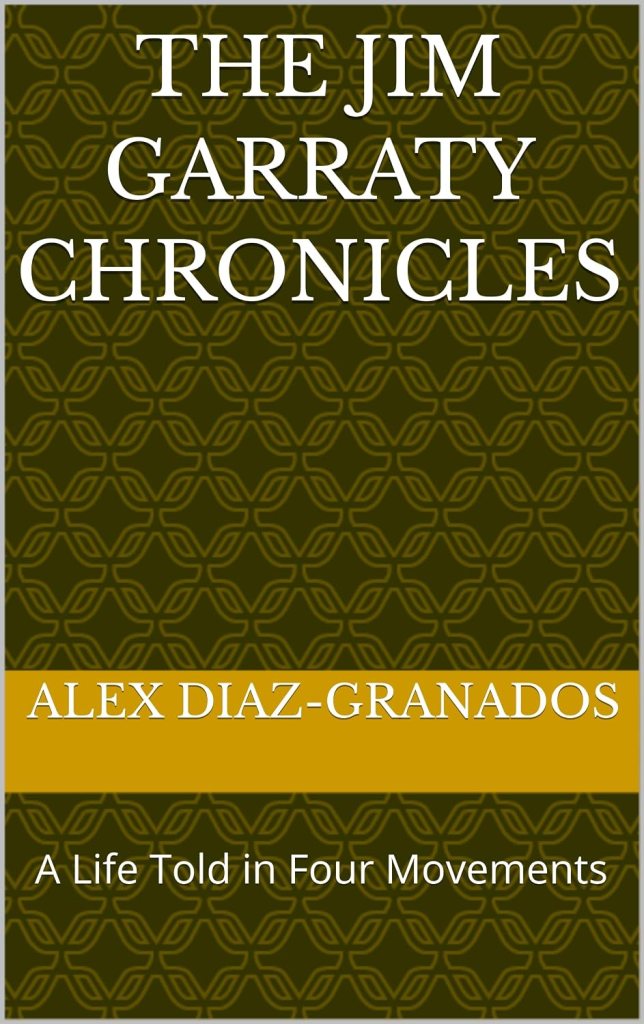
In the introduction to my latest book, The Jim Garraty Chronicles: A Life in Four Movements, I explain how these stories began.
I didn’t plan on writing a four‑story cycle. In fact, for a long time I didn’t plan on writing much of anything after Reunion: A Story in 1998. That novella felt complete — Jim grieving at Marty’s grave, Mark heading off to show a house, Jim returning to New York alone. The door seemed closed. I figured I’d written my one good piece of fiction and that was that.

But stories have a way of tapping you on the shoulder when they want to be told. And sometimes they tap for decades.
Before I get to that, though, I need to talk about South Miami High — because that place, which I never wanted to attend, ended up shaping the emotional landscape of these stories more than I ever expected.
I was supposed to be a Southwest kid. Tropical Elementary fed into Riviera Junior High, and Riviera fed into Southwest Senior High. That was the plan. That was the path. That was where everyone I knew was going.
But in the spring of 1980 — around the time of the McDuffie riots — the School Board decided that disabled students who had trouble getting to class on time at Southwest (which didn’t have an elevator then) would be transferred to South Miami instead.
I didn’t want to go. I couldn’t get the transfer rescinded. And I didn’t want to attend Coral Park, which would have been my school if I were able‑bodied. So I arrived at SMSH with a chip on my shoulder and a bad attitude.
My first day didn’t help.
I hadn’t slept the night before. I got to my bus stop an hour early. The driver didn’t stop because she was expecting a kid in a wheelchair — which I wasn’t. I waited until nine in the morning, woke my mother, and she drove me to school. We got lost. I arrived late. The office didn’t have my schedule. I sat alone in the auditorium until Mr. Passman came down from the second floor and hauled me off to Business Math — a cruel joke for someone who hates math.
By the time I made it to lunch, I was exhausted, depressed, and wondering what I’d done to deserve this detour in life.
And then I saw him. A tall man in a gray suit, white hair, handlebar mustache, walkie‑talkie in hand — someone who clearly mattered. I nodded politely, because even on a terrible day, I knew how to be respectful. I started to walk past him, and he said: “Good morning, Captain! I’m Dr. Burchell, and welcome to South Miami.”
I’d seen his name on the postcard announcing the first day of school, but I never expected to meet him — certainly not on that day. Yet there he was, greeting me with humor and warmth, noticing the knockoff fatigue jacket I wore with the Americal Division patch and captain’s bars. In that moment, the school I didn’t want to attend became a little less foreign. A little less hostile. A little more mine.

It’s funny how small moments like that stay with you. They become part of the emotional soil you write from, even decades later.
Fast‑forward to 1987. I was twenty‑four, taking CRW‑2001 at Miami‑Dade Community College. The assignment was simple: “Write a dream or fantasy sequence. Use concrete details, characterization, and dialogue.” I didn’t want to write sci‑fi or high fantasy. At twenty‑four, my mind was on women and sex, not dragons or spaceships. So I wrote something…well, let’s call it NC‑17 and leave it at that.

Years later, when I revisited the assignment, I kept the frame story — Jim Garraty, high school, the idea of a dream — but I changed the dream itself. I toned it down to PG‑13, and in the process, I created Marty. She wasn’t in the original version. She wasn’t planned. She appeared because the story needed someone real, someone human, someone who could carry emotional weight without turning the dream sequence into a fantasy romp.
Once I rewrote the dream, I realized it could be developed into something longer — not quite a novel, but more than a short story. I called it Love Unspoken, Love Unbroken, and I almost filed it away forever. Then I listened to Billy Joel’s “Scenes from an Italian Restaurant” and felt like the story wasn’t finished. Inspired by the song, I added a present‑day frame set in 1998. That’s when Jim Garraty became a grown man — a history professor, not because I had some grand plan for him, but because I followed the oldest writing advice in the world: write what you know.
I knew professors. I’d spent a lot of time with them at Miami‑Dade. I knew the rhythms of academic life. I knew the passion for history, especially World War II. So Jim became a professor at a prestigious university in New York City — later revealed to be Columbia.



(C) 2025 Alex Diaz-Granados
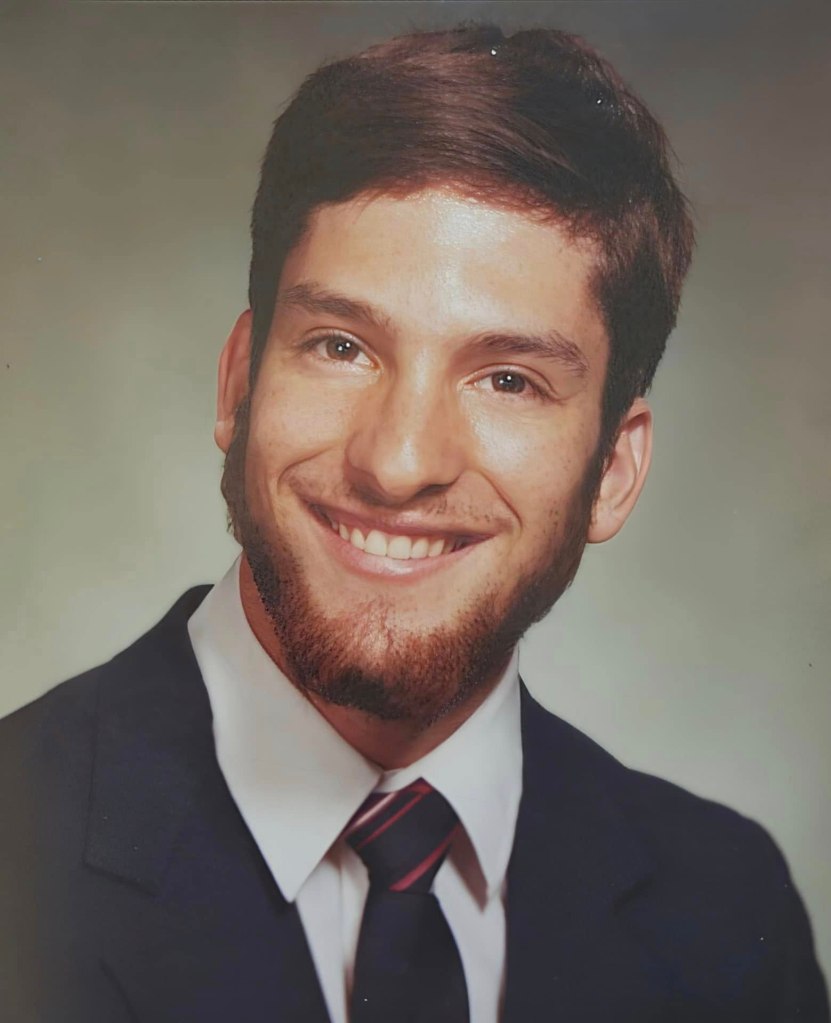

When I finished Reunion in 1998, I thought that was it. I couldn’t see past Jim’s grief. I couldn’t imagine a future for him that wasn’t shadowed by regret. Every sequel idea I toyed with was dark, and none of them felt true. I tried other projects — a Normandy novel, an Operation Downfall story — but they didn’t breathe. They didn’t feel alive. They didn’t feel like me.
And somewhere along the way, I started wondering if Reunion was the only story I’d ever finish.
Then came 2023. There was pressure — internal, external, the quiet ache of wanting to prove to myself (and a few doubters) that I was still a writer. A reader, Meg Learner, asked if I could write more about Marty — a character who was dead from the first page of Reunion. My subconscious finally said, “If you can find a hook, Jim Garraty will return.”
The hook turned out to be Maddie — a character who held a key to Jim’s past and a light toward his future. Through her, I found the gateway back into the story I’d left a quarter century earlier. And to my surprise, the world of Reunion was still alive. Jim’s career, his friendship with Mark, his memories of high school — all of it was waiting for me.
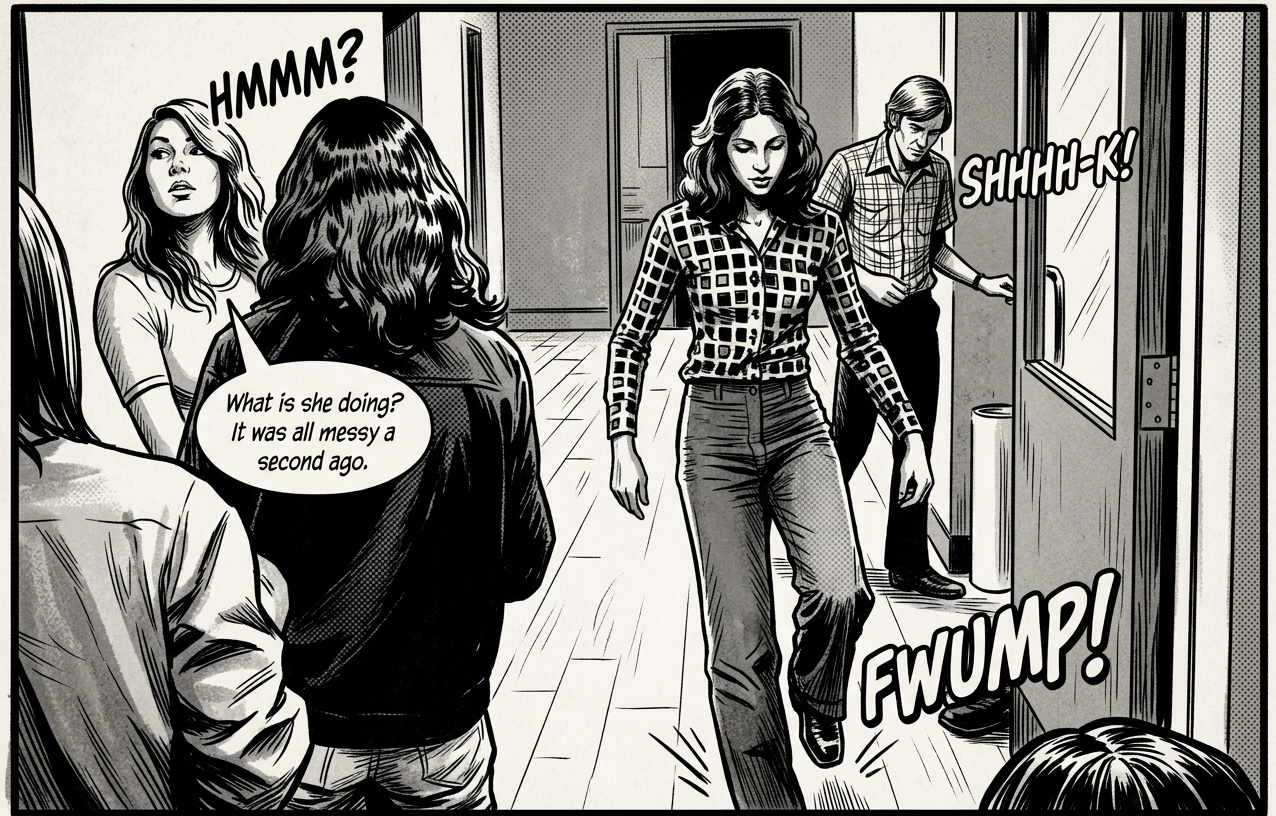
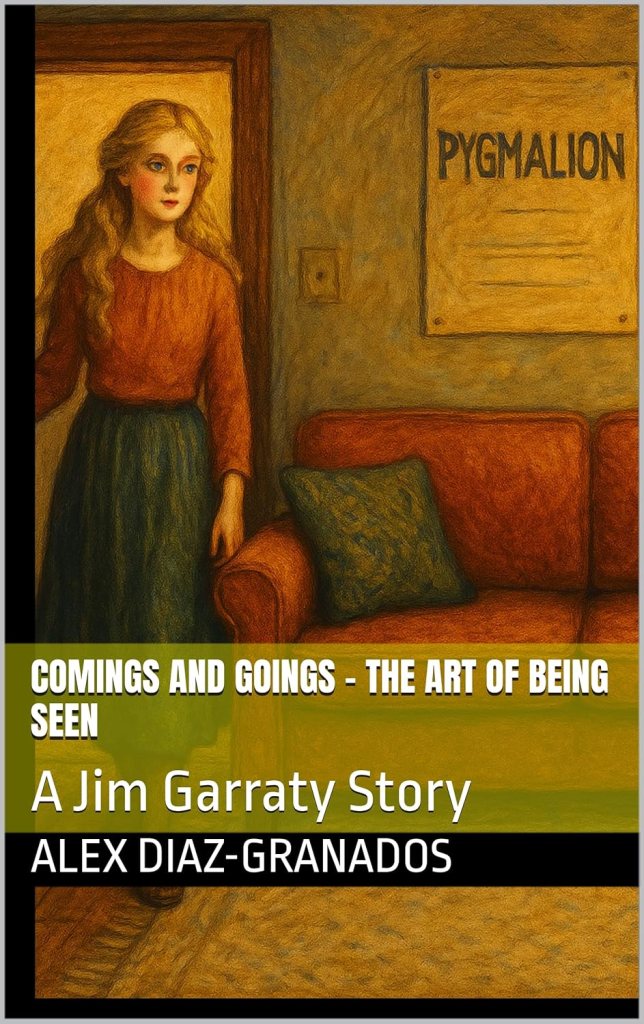
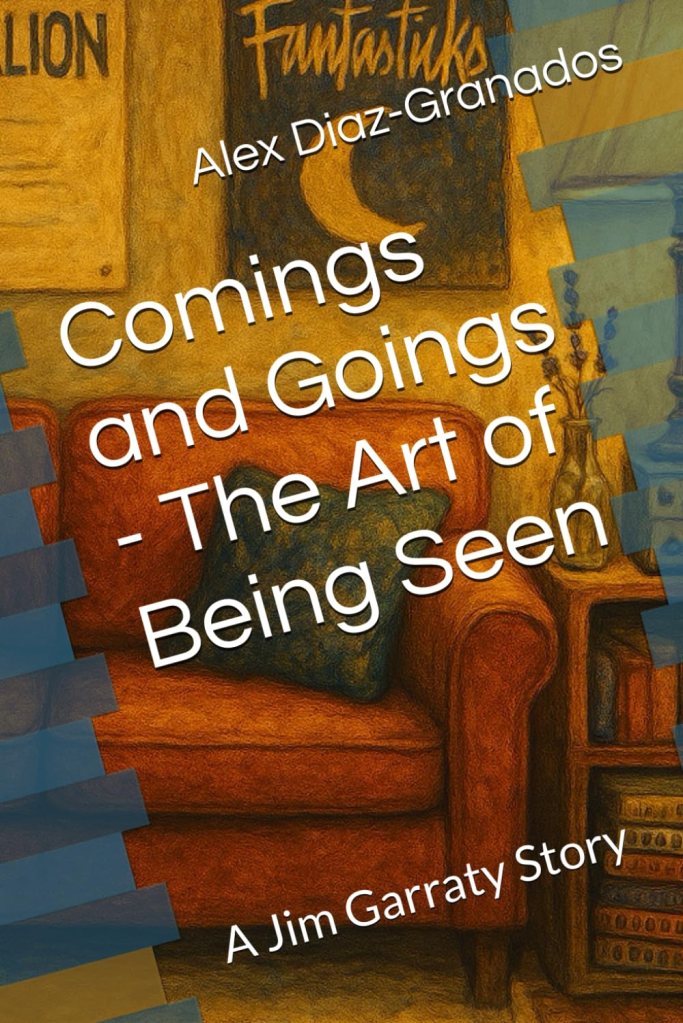
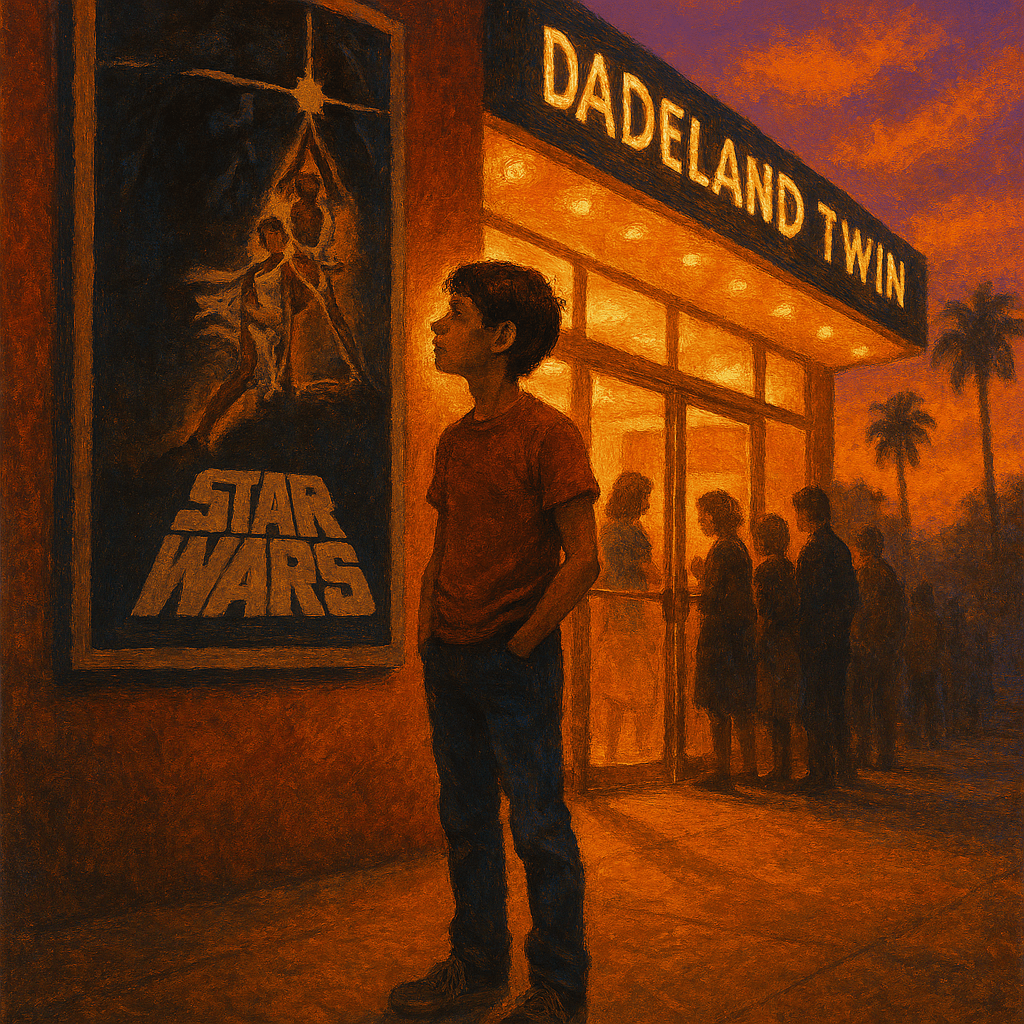
I didn’t outline Reunion: Coda. I didn’t plan Comings and Goings. I didn’t map out The Summer of Two Movies. These stories emerged. They insisted. They grew out of memory, curiosity, reader questions, and the emotional truth of a character who wasn’t finished speaking.
So here they are — four stories that weren’t supposed to exist, told across decades, stitched together by memory, regret, humor, and the strange way life circles back on itself.
Pull up a chair. Let’s talk.
© 2026 by Alex Diaz-Granados


Share your thoughts with the world!