
The Little Scene That Became a North Star
Every long‑form project has its origin myths — the moments that, in hindsight, shaped everything that came after. Sometimes these moments are deliberate. Sometimes they’re the result of careful planning, thematic intention, or structural foresight.
And sometimes they arrive quietly, almost innocently, in a first draft written decades ago.
For me, one of those moments is a small exchange between Jim Garraty and Marty in the 1998 draft of Reunion. It wasn’t meant to be monumental. It wasn’t written with the weight of future books behind it. It was simply a scene — a wistful conversation between two teenagers on the cusp of graduation, reflecting on the end of a chapter in their lives.
But buried inside that scene was a seed that would grow into the emotional North Star of the entire Garratyverse.
The Moment It All Turned
The passage is simple. Marty gestures around the chorus room and says:
“That this… part of our lives is over, Jimmy. Three years sure went fast, didn’t they?”
It’s a line any graduating senior could say. But Jim’s reaction — that sudden heaviness, that sense of the stars and planets settling onto his shoulders — reveals something deeper. Something unspoken. Something he doesn’t yet have the language for.
Then Marty apologizes.
Not for something she did. Not for something she said. But for something that never happened.
“I’m sorry… that we never got to perform that duet together.”
That’s the hinge. That’s the spark. That’s the moment the story quietly rewired itself.
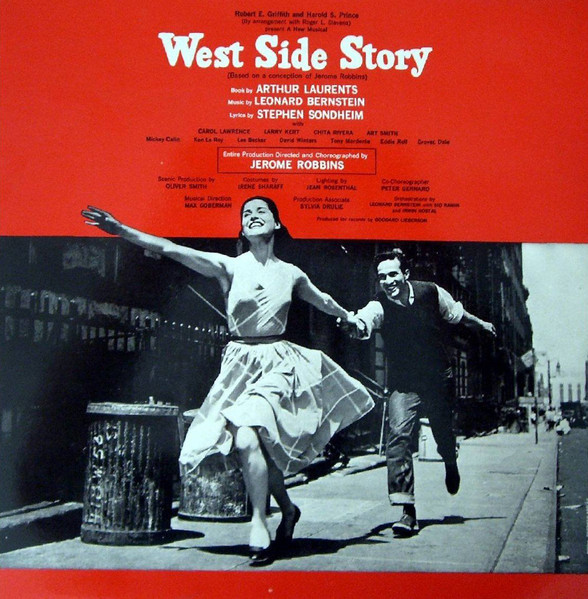
Because when Jim answers — “‘Somewhere,’ from West Side Story” — the emotional architecture of their relationship snaps into place.
I gazed at (Marty), committing every detail of her appearance to memory. She wore faded Levi’s blue jeans, a white and orange SOUTH MIAMI CHORUS T-shirt, white socks and an old pair of Keds sneakers. Her chestnut hair was tied into a ponytail. She wore very little makeup; a touch of mascara here, a hint of blush there, a bit of lip-gloss to make things a bit interesting. She was shockingly, heartrendingly beautiful.
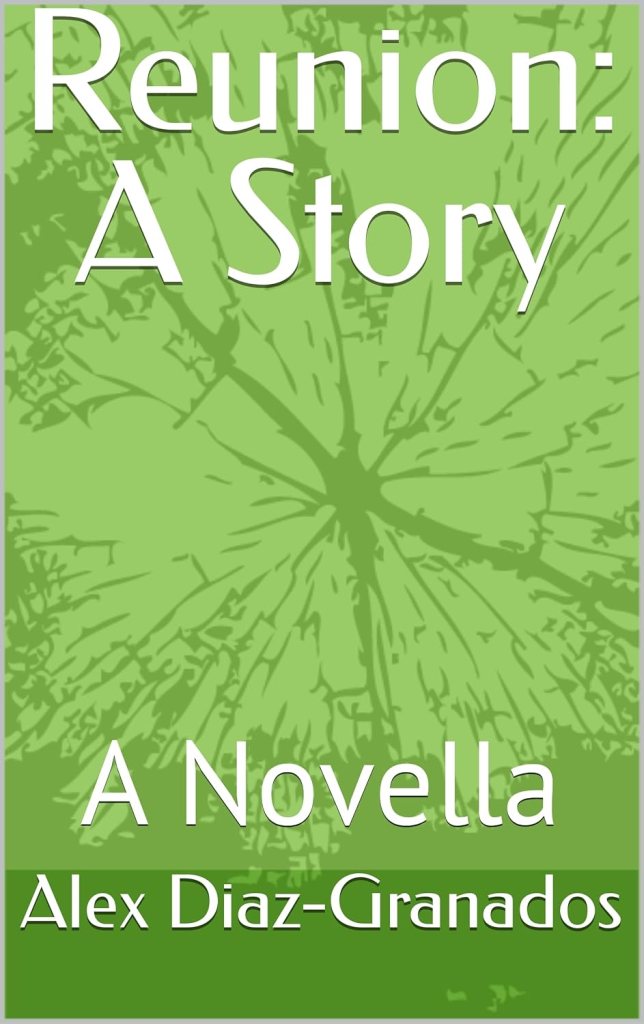
Alex Diaz-Granados, Reunion: A Story
My heart skipped a beat. “I couldn’t go without seeing you, you know,” I said.
She smiled. “Oh, come on; I bet you say that to all the girls.”
“It’s true,” I said. “And no, I don’t say that to all the girls.”
She smiled again. “I see,” she said. “How did you do on your final?”
“Okay, I guess. How about you?”
She shrugged. “All right, I suppose. Biology is not my cup of tea. I’ll be happy if I pass with a 75.”
I essayed a small smile. “I’m sure you did better than that,” I said.
Another shrug. “We’ll see.” She sighed. “What?” I asked.
“It’s hard to believe, isn’t it?” she asked wistfully.
“What?”
“That this,” she said with a sweeping gesture, “part of our lives is over, Jimmy. Three years sure went fast, didn’t they?”
“Yes – yes, they did,” I said, feeling suddenly as if the stars and the planets had been placed on my shoulders. I felt my smile vanish. I slouched forward and let out a deep breath.
“I’m sorry,” she said unexpectedly.
“Huh?”
“That we never got to perform that duet together. Don’t you remember? For the Spring Concert?”
“Oh, yeah. What was that song we were going to sing?” I asked.
She placed her right hand on her hip and mock-pouted at me. “James Garraty, don’t tell me you forgot.”
I gave her an impish who, me look. When she smiled, I said in a more serious tone: “‘Somewhere,’ from West Side Story.” I hummed the song’s first measure; it sounded a half-octave off key.
A Song That Arrived Fully Formed
I didn’t agonize over the song choice in 1998. I didn’t sift through musicals or analyze lyrics. I simply wrote Somewhere and moved on. It was a first‑draft instinct — the kind of choice you assume you’ll revisit later.
Except I never did.
When the revisions came years later, I tried — briefly — to imagine alternatives. But nothing fit. Nothing carried the same emotional temperature. Nothing matched the quiet ache of that moment.
The story had chosen Somewhere. And it wasn’t letting go.
Why That Scene Became the North Star

Looking back, it’s clear why this small exchange became foundational.
1. It crystallized Jim’s emotional landscape. His longing, his restraint, his sense of missed possibility — all of it is encoded in that moment.
2. It revealed Marty’s intuitive tenderness. She comforts him without fully understanding why he’s hurting. She feels the emotional truth before she can name it.
3. It established the myth of the canceled Spring Concert. A duet that never happened becomes the symbol of everything they almost were.
4. It introduced the motif that would follow Jim for decades. Somewhere becomes the song of his life — a melody of hope, regret, and unrealized love.
5. It set the tone for their entire relationship. Not dramatic. Not operatic. Not tragic in a theatrical sense.
Human. Quiet. Tender. Unfinished.

The Power of an Unassuming First Draft
What fascinates me is how unintentional it was. I didn’t know in 1998 that this scene would become the emotional compass of the series. I didn’t know it would echo through Jim’s adulthood, or that Marty’s brief life would be partly defined by a duet she never got to sing.
But that’s the mystery of writing.
Sometimes the story knows itself before the writer does.
Sometimes a small moment — a gesture, a line, a forgotten song — becomes the gravitational center around which everything else orbits.
And sometimes a first‑draft choice becomes a North Star.


Share your thoughts with the world!