
From Brain to Book: The Strange Magic of Making Stories Real
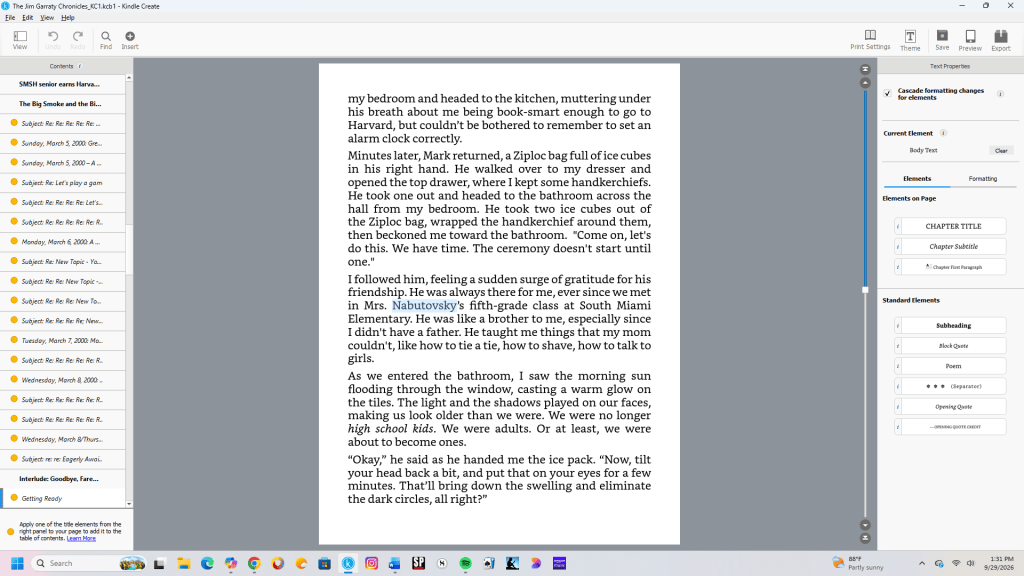
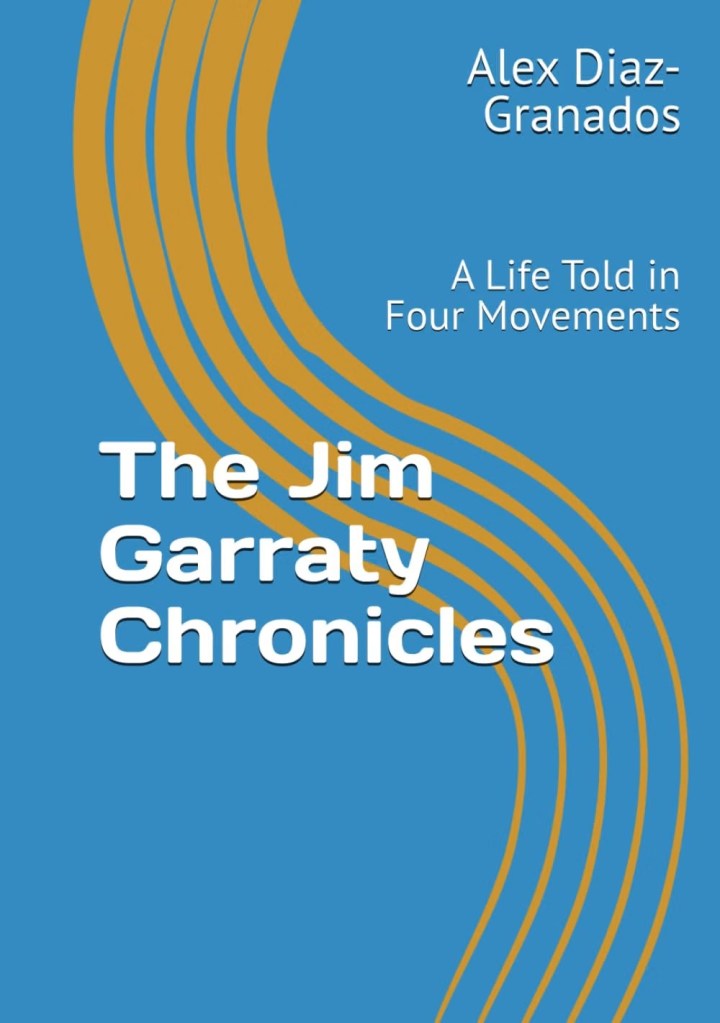
This morning, I picked up the hardcover edition of The Jim Garraty Chronicles and felt something I’ve felt many times before, but never quite this sharply: a kind of quiet awe. The weight of the book, the texture of the cover, the solidity of it — all of it pulled me back to a question I had when I was a kid.
How do thoughts make the trip from a human mind to a printed page?
When I was little, writers seemed like sorcerers. They had some mysterious power that let them turn imagination into ink. I didn’t understand the tools yet — the pens, the typewriters, the printing presses. I didn’t know about manuscripts or editors or rejection letters. I just knew that books existed, and that someone, somehow, had conjured them into being.


As I grew older, the magic became more mechanical. I learned how the tools worked. I learned how the business worked — or at least how intimidating it could be. Agents, publishers, gatekeepers. The whole TradPub labyrinth. I eventually chose the self‑publishing route, partly out of practicality, partly out of stubbornness, and partly because the traditional path still feels like a haunted house that I’m not sure I want to walk through.
But even with all that knowledge, even with decades of writing behind me, there are moments when the old childhood wonder comes rushing back.
This morning was one of them.
I held the hardcover — this physical object that used to be nothing more than neurons firing in my skull — and thought:
All these words were in my brain. Now they’re in this book.
It’s such a simple thought. And yet it’s overwhelming.
Because a book isn’t just a container for words. It’s a record of time spent, of choices made, of doubts wrestled with, of memories mined, of emotions shaped into narrative. It’s the closest thing we have to telepathy — a way for one mind to speak directly to another across years, miles, and circumstances.
And today, that feeling carries an extra layer of meaning.
What Would My Dad Think?

Today would have been my dad’s 107th birthday. He was born in 1919 — a world of fountain pens, newsreels, and printing presses that clattered like thunder. A world where books were precious objects and writers were distant figures whose names lived on spines.
He never knew I would become a writer. He died on February 13, 1965, just a few weeks before my second birthday — long before I ever scribbled stories in school, long before I ever learned the rhythm of a typewriter, long before The Jim Garraty Chronicles existed even as a flicker.
Sometimes I wonder what he’d think of all this.
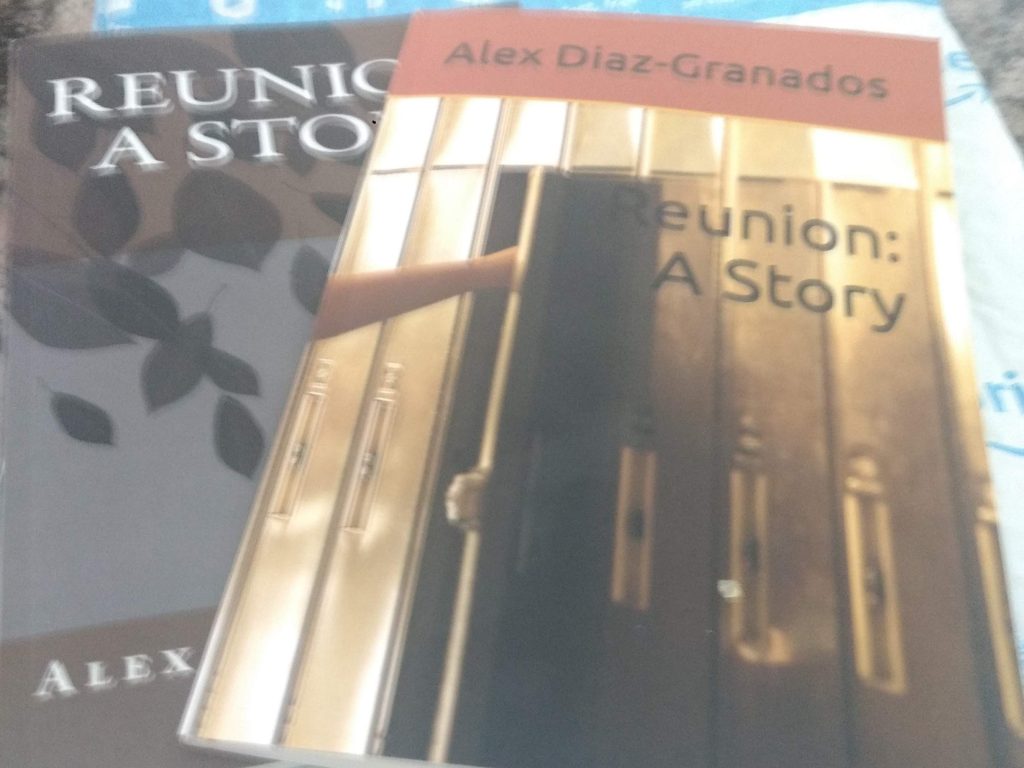
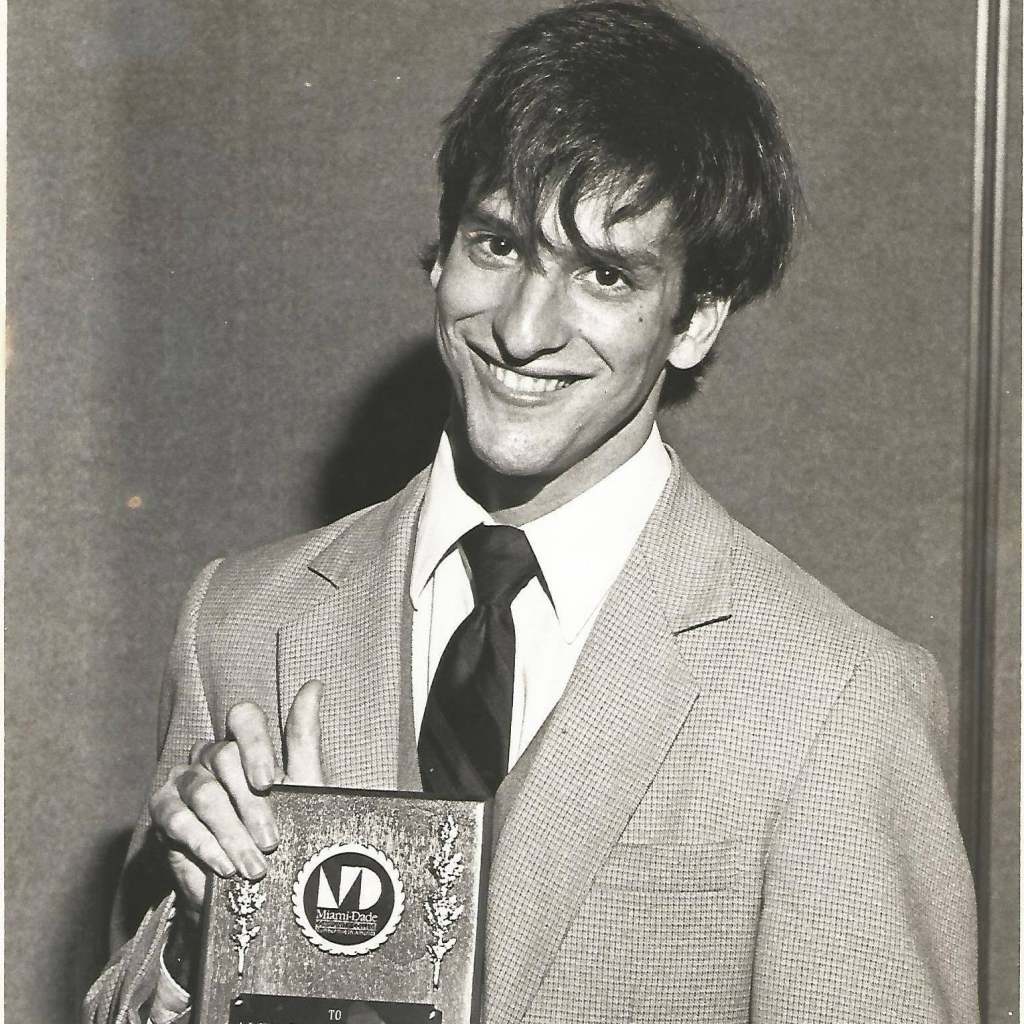
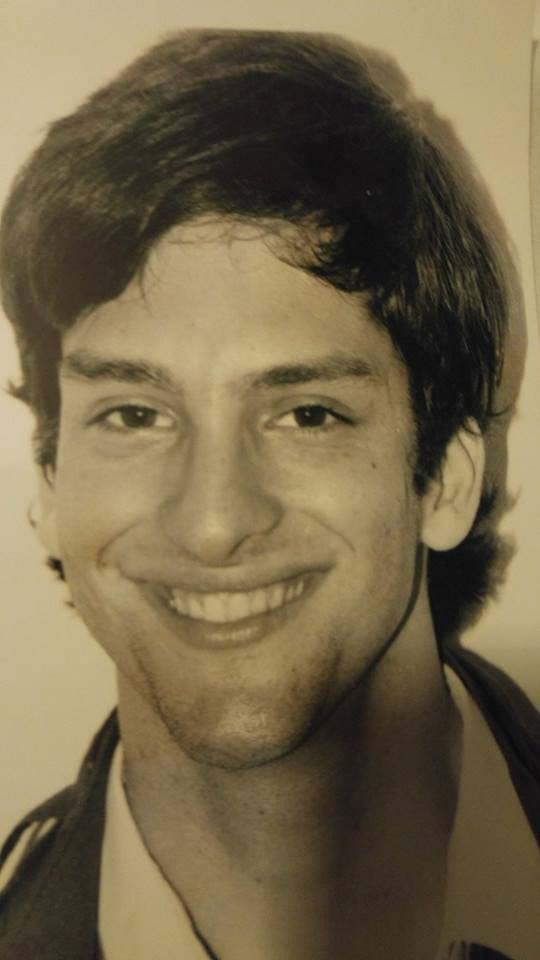

Of me choosing a life built around words. Of me stubbornly chasing stories across decades. Of me holding a hardcover book I wrote.
I’ll never know, of course. But I like to imagine he’d be proud — not because of the book itself, but because writing is an act of persistence, curiosity, and heart. And those are qualities parents hope their children grow into, even if they don’t live long enough to see it happen.
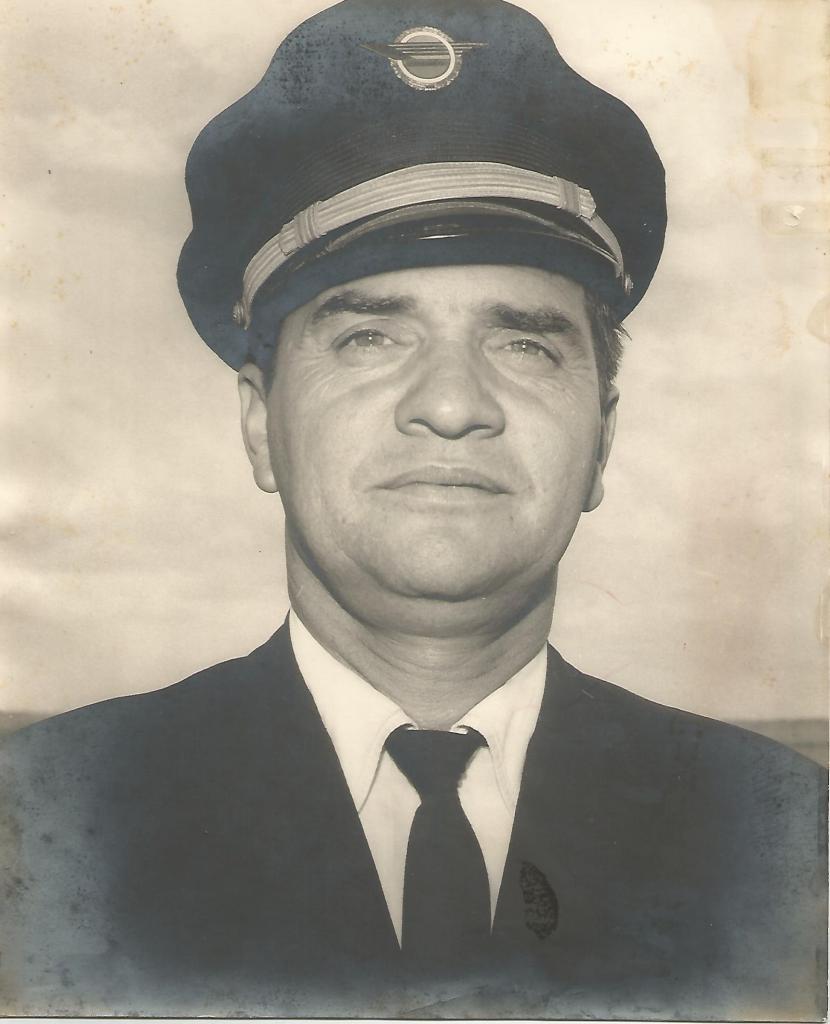
Maybe he’d smile at the idea that his son grew up to be a storyteller. Maybe he’d shake his head in amused disbelief at the sheer number of words I’ve poured into the world. Maybe he’d recognize something familiar in the way I try to make sense of life by writing it down.
I’ll never get to ask him. But I can hold this book — on his birthday — and feel a quiet connection. A thread. A continuation.
And maybe that’s its own kind of magic.


Share your thoughts with the world!