Writing “And the Horse You Rode in On…”: “Take a Jacket”
One of the pleasures of writing And the Horse You Rode in On… has been discovering connections I didn’t consciously put there.
That happened again today.
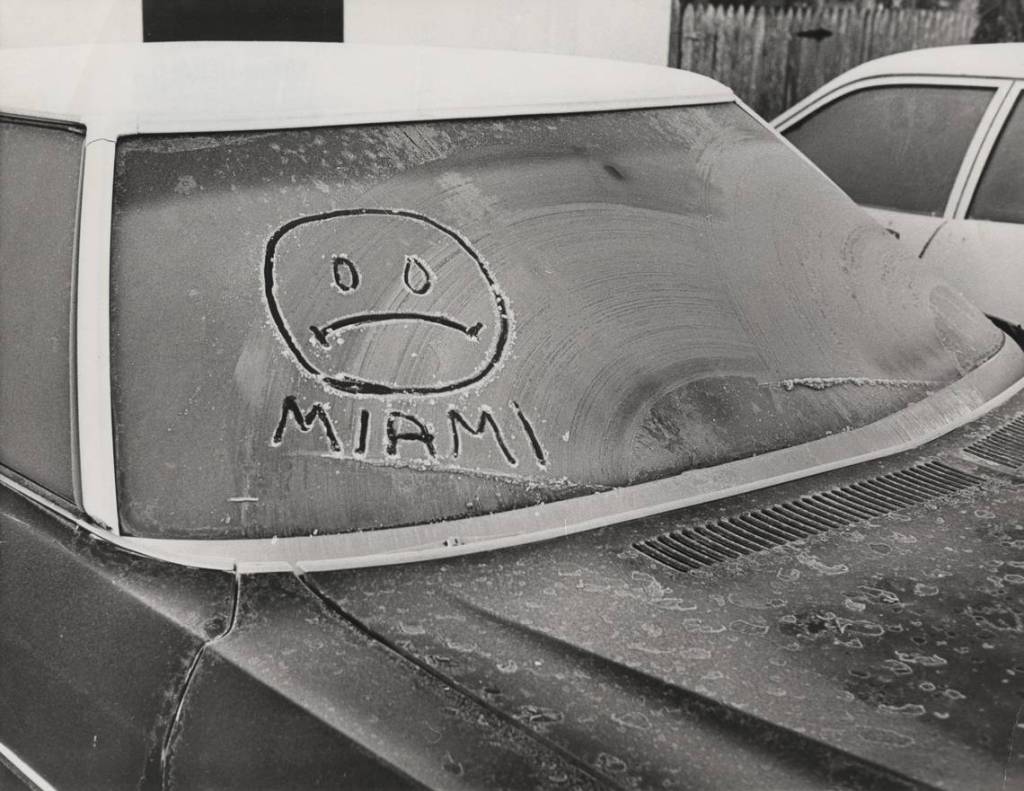
I’ve moved the story into 1977. Jim Garraty is still in sixth grade, still eleven years old, and still living in the South Miami world that will eventually produce the adult Jim readers encounter in my other stories.
This morning, I needed to establish that it was a chilly South Florida day.
So Jim’s mother, Sarah, says:
“Take a jacket.”
Jim, being eleven and therefore an acknowledged expert on meteorology, objects.
It’s Miami.
It isn’t that cold.
Sarah remains unimpressed.
Jim takes the jacket.
Pretty ordinary scene.
Except I suddenly remembered that I’d written almost exactly those three words before.
The Ordinary Things We Remember

In an earlier bit in this Jim Garraty story, decades have passed. It’s September 2005. Jim is living in New York with Maddie.
And Maddie tells him:
“Take a jacket.”
Naturally, adult Jim argues about it, too.
Apparently some character traits are remarkably persistent.
But I hadn’t deliberately planted the earlier scene so I could create a clever echo later. In fact, chronologically, I wrote the later scene first.
The connection simply appeared while I was writing today.
And I decided not to explain it.

If a reader recognizes the echo, wonderful. If a reader doesn’t, nothing is lost. Sarah is simply being Jim’s mother on a chilly morning in 1977. Maddie is simply looking after Jim on a chilly morning decades later.
That’s how life often works.
The extraordinary parts of our lives are surrounded by ordinary rituals. Coffee. Breakfast. Going to school or work. Saying good morning. Reminding somebody you love to bring a jacket.
Sometimes the ordinary things are the ones that survive.
Sometimes a Song Is Just a Song
Something similar happened with music.
Jim’s school chorus is beginning to rehearse for its spring concert. Because this is the 1976-77 school year, I wanted the repertoire to feel right for the period rather than like a collection of songs selected by someone living fifty years later.
Two songs particularly appeal to Jim: “Take Me Home, Country Roads” and “New York State of Mind.”
And only after putting them into the story did something occur to me.
New York.
Adult Jim will eventually build a life there.
Eleven-year-old Jim doesn’t know that.
He isn’t sitting in chorus contemplating destiny. He doesn’t hear a song about New York and receive a mystical premonition of his future.
He just likes the song.
And that’s exactly how I’m leaving it.
If it creates an echo for readers familiar with Jim’s later life, that’s a bonus. I’m not going to stand behind the narrator waving my arms and shouting, “Look! Foreshadowing!”
Sometimes a song is simply a song until life gives it another meaning.
The Kid Doesn’t Know He’s Being Foreshadowed
That’s becoming one of my favorite things about writing this novel.
I know things Jim doesn’t.
Readers of the other stories know things Jim doesn’t.
But Jim is eleven.
He isn’t walking around South Miami knowing that a classroom, a song, a friendship, an argument, or something his mother casually says over breakfast will matter to him thirty years later.
He’s just living his life.
That’s important to me because I don’t want And the Horse You Rode in On… to feel like a collection of Easter eggs explaining the Jim Garraty stories I’ve already written.
This needs to be Jim’s story now.
The future can take care of itself.
And sometimes, if I’m lucky, I’ll write an ordinary little moment and discover that the future was hiding inside it all along.
Now, if you’ll excuse me, I’m going to take Jim Garraty’s mother’s advice.
It’s November.
I’m 63.
I’m taking the jacket.


Share your thoughts with the world!