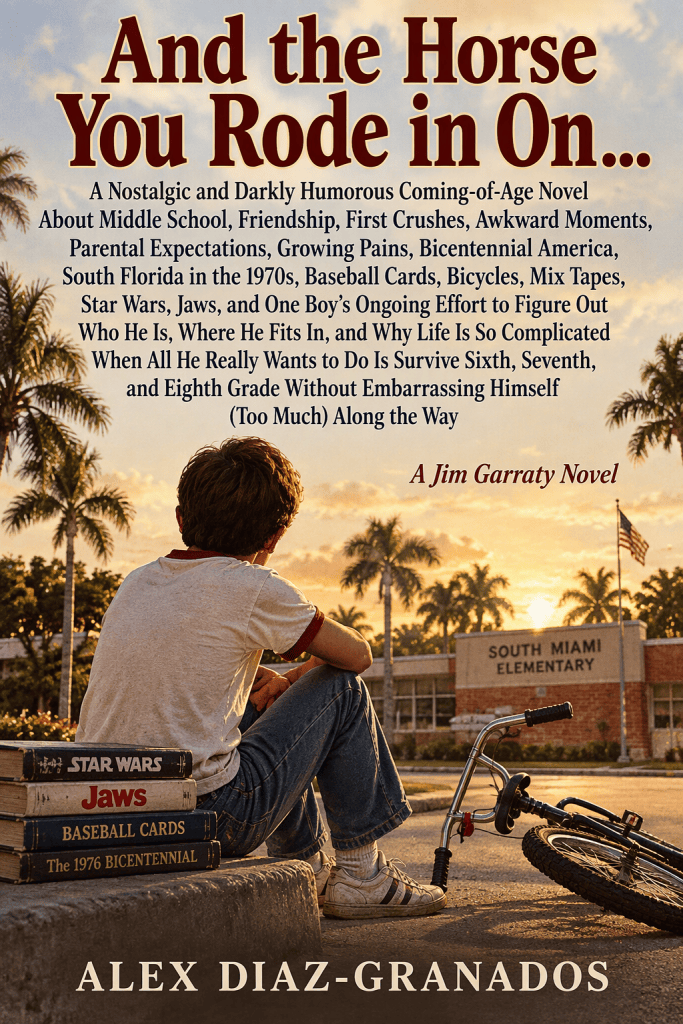
A Few Words About Subtitles
A Hilarious, Incisive, Laugh-Out-Loud Examination of Excessively Long Book Subtitles, Publishing Trends, Marketing Anxiety, Reader Expectations, Authorial Desperation, and One Writer’s Courageous Quest to Locate the Colon Key
I am a self-published author, which means that in addition to writing books, revising books, proofreading books, formatting books, publishing books, and trying to persuade total strangers to buy books, I occasionally spend time looking at other self-published books.
This can be dangerous.
Lately, I have noticed a trend involving subtitles.
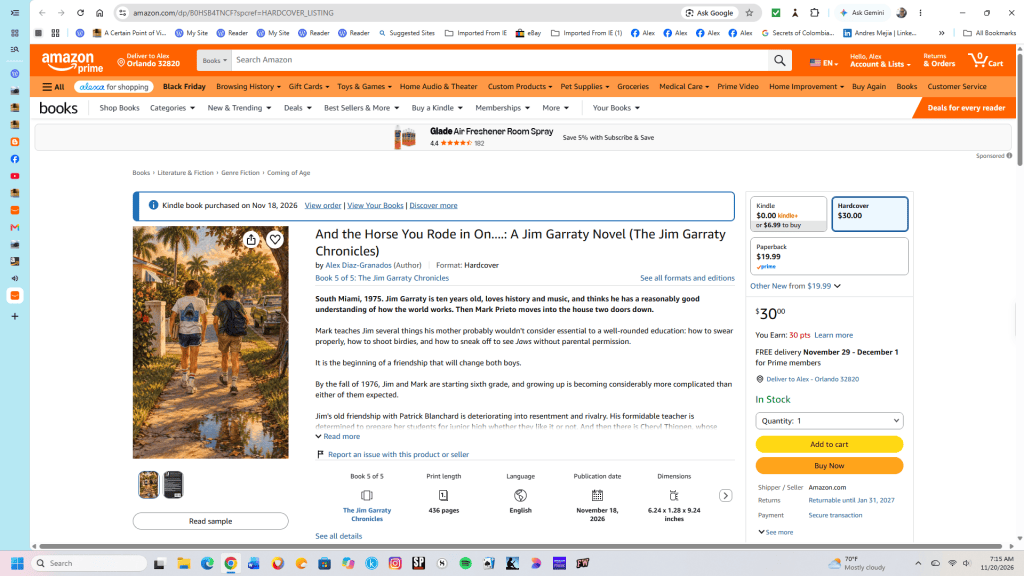
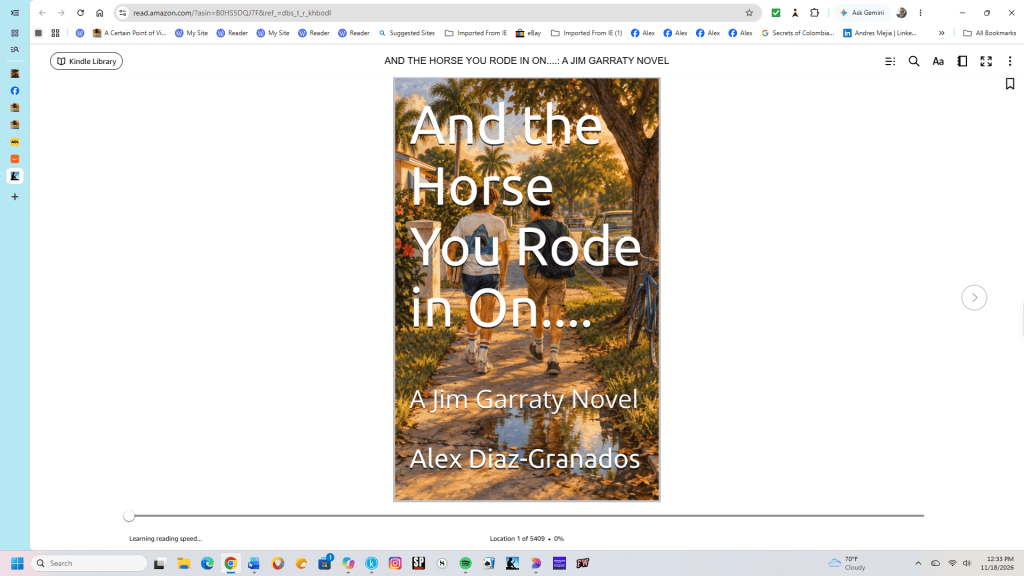
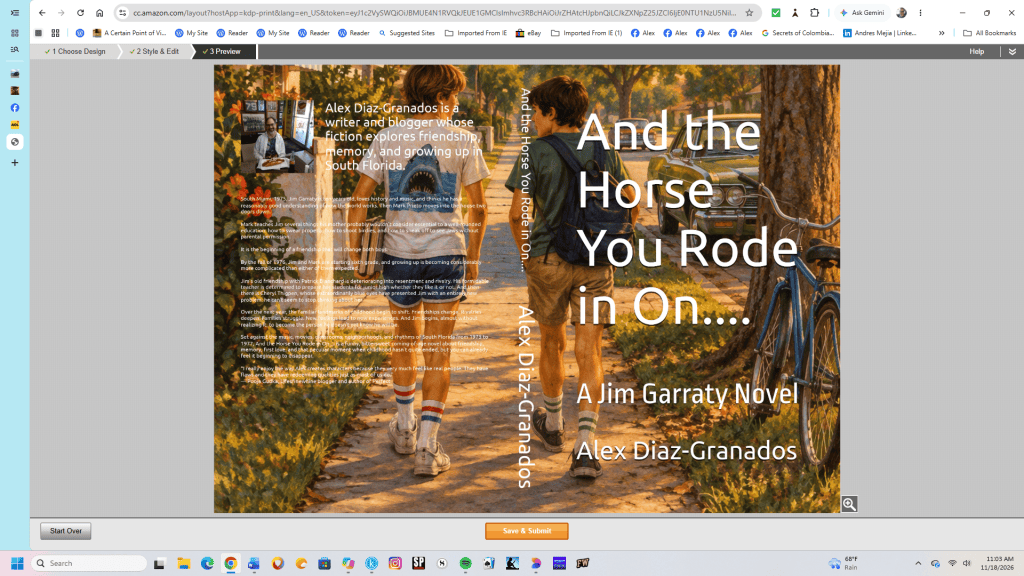
Now, there is nothing inherently wrong with a subtitle. I use them myself. My latest novel is called And the Horse You Rode in On…: A Jim Garraty Novel. The subtitle tells you something useful. It’s a Jim Garraty novel.
Mission accomplished.
But somewhere along the way, the humble subtitle apparently got a second job in Marketing.
Consider a perfectly serviceable imaginary title:
The House on Mulberry Lane.
Nice title. Intriguing. There is presumably a house. It is presumably on Mulberry Lane. Something presumably happens there, or else this is going to be a very short book.
But perhaps that isn’t enough.
So we get:
The House on Mulberry Lane: A Novel of Love and Loss.
Fine. We’re still within the limits established by the Geneva Convention.
But then somebody in Marketing starts getting nervous.
What if readers don’t know what KIND of love and loss?
Suddenly we have:
The House on Mulberry Lane: A Heartwarming and Emotional Family Saga of Love, Loss, Secrets, Second Chances and the Unbreakable Bonds That Bring Us Home.
Well.
At this point I’m beginning to know quite a lot about what happens on Mulberry Lane.
But apparently I don’t know enough.
The House on Mulberry Lane: An Absolutely Gripping, Unputdownable, Heartbreaking Yet Uplifting Historical Family Saga About Three Generations of Strong Women, a Shocking Wartime Secret, Forbidden Love, Second Chances, Found Family, an Adorable Dog, and a Letter That Changes Everything.
I haven’t read the book and somehow, I feel as though spoilers have occurred.
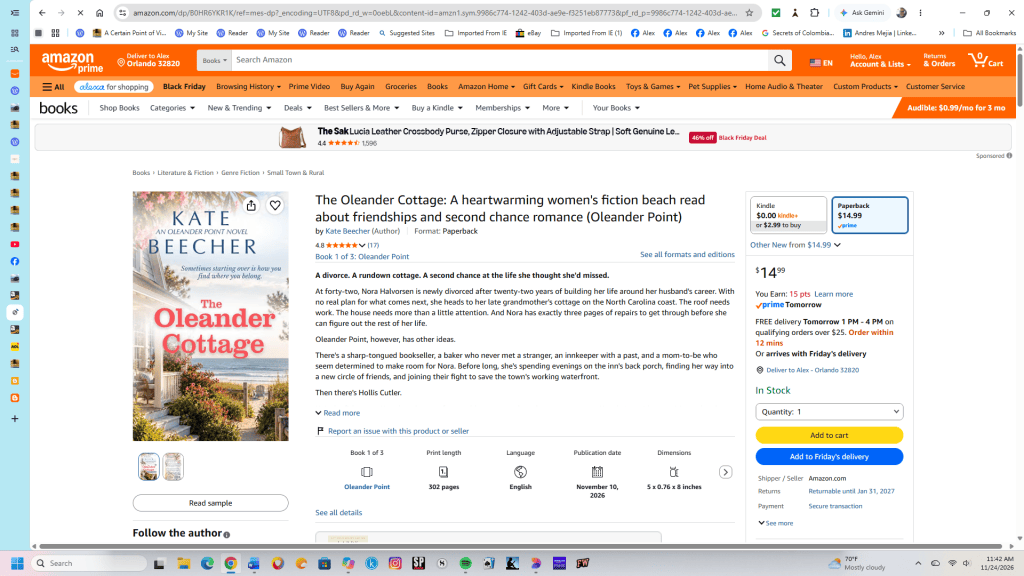
I understand why authors do this. Selling books is hard. I have firsthand experience in this area. You write a novel, polish it, publish it, and then release it into a marketplace containing approximately nine billion other books, several million of which appear to feature either a dragon or a woman staring pensively at the ocean.
So the temptation is understandable.
You want the reader to know what they’re getting.
The trouble begins when you want them to know EVERYTHING they’re getting.
Which makes me wonder how some of our most beloved books survived with those dangerously vague titles.
Take Pride and Prejudice.
That tells us practically nothing. Jane Austen clearly needed professional help.
Today we might have:
Pride and Prejudice: A Witty Enemies-to-Lovers Regency Romance Featuring a Strong-Willed Heroine, a Brooding Wealthy Gentleman, Family Drama, Misunderstandings, Slow-Burn Romance, and an Extremely Judgmental Aunt.
There. Much better.
Or Dracula.
One word.
Reckless.
Modern publishing standards clearly require:
Dracula: A Dark Gothic Horror Thriller of Forbidden Desire, Found Family, Ancient Evil, Real Estate Transactions, and the Importance of Keeping Good Notes.
Then there is Moby-Dick, which becomes:
Moby-Dick: A Gripping Maritime Adventure of Obsession, Revenge, Survival, Found Family, and One Man’s Unhealthy Relationship with a Whale.
Herman Melville, foolishly, made readers discover most of this for themselves.
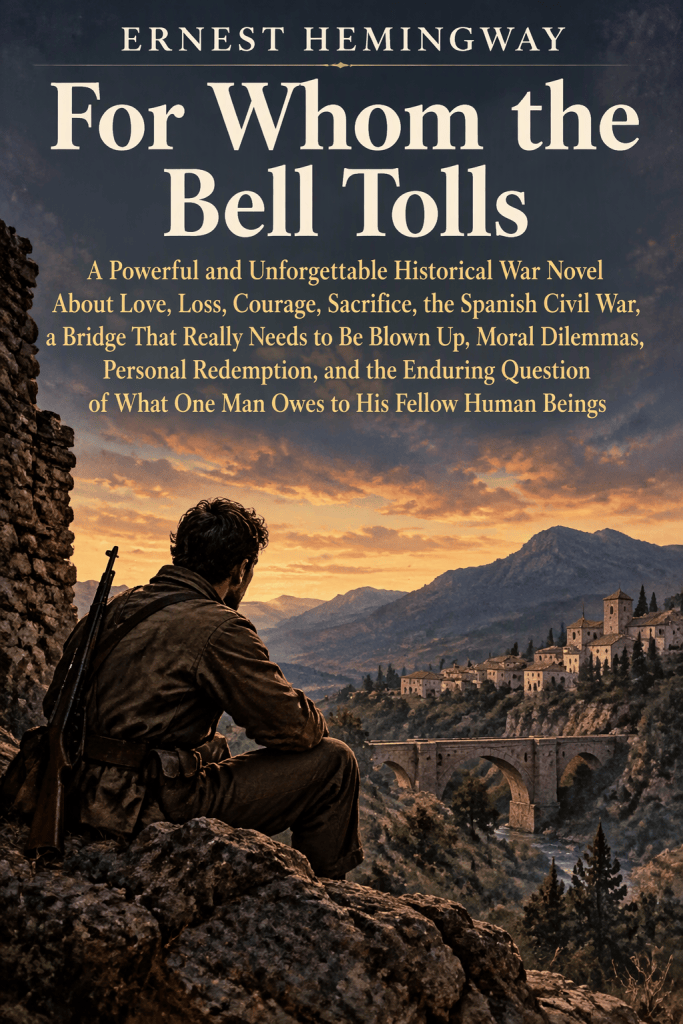
Ernest Hemingway was even worse.
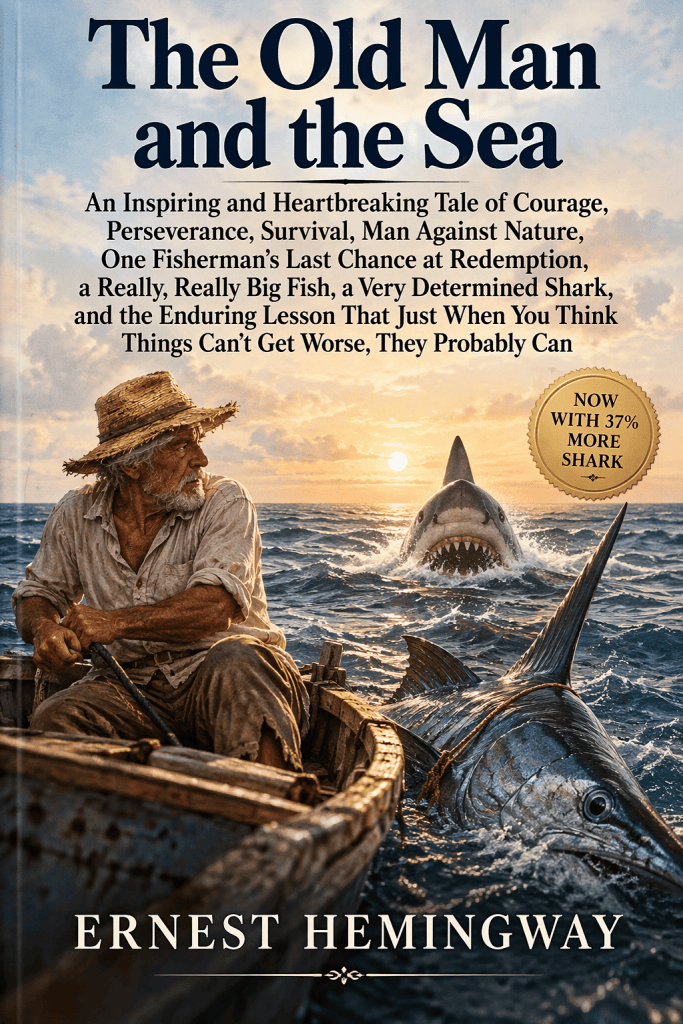
Imagine submitting a manuscript today called merely The Old Man and the Sea.
Old man? Which old man?
What sea?
Why should I care?
Fortunately, we can fix it:
The Old Man and the Sea: An Inspiring and Heartbreaking Tale of Courage, Perseverance, Survival, Man Against Nature, One Fisherman’s Last Chance at Redemption, and a Really, Really Big Fish.
There.
Hemingway would have appreciated our economy of language.
Probably.
The phenomenon becomes even more alarming when applied to movies.

Consider Jaws.
Just Jaws.
Four letters.
You can’t even get a decent search-engine keyword out of that.
Obviously, the movie should have been released as:
Jaws: A Gripping Summer Thriller About a Small-Town Police Chief, a Deadly Predator, Political Corruption, Unlikely Friendship, Survival Against Impossible Odds, and Why You Should Seriously Reconsider Going Swimming.
Think how much easier Universal’s marketing department would have had it.
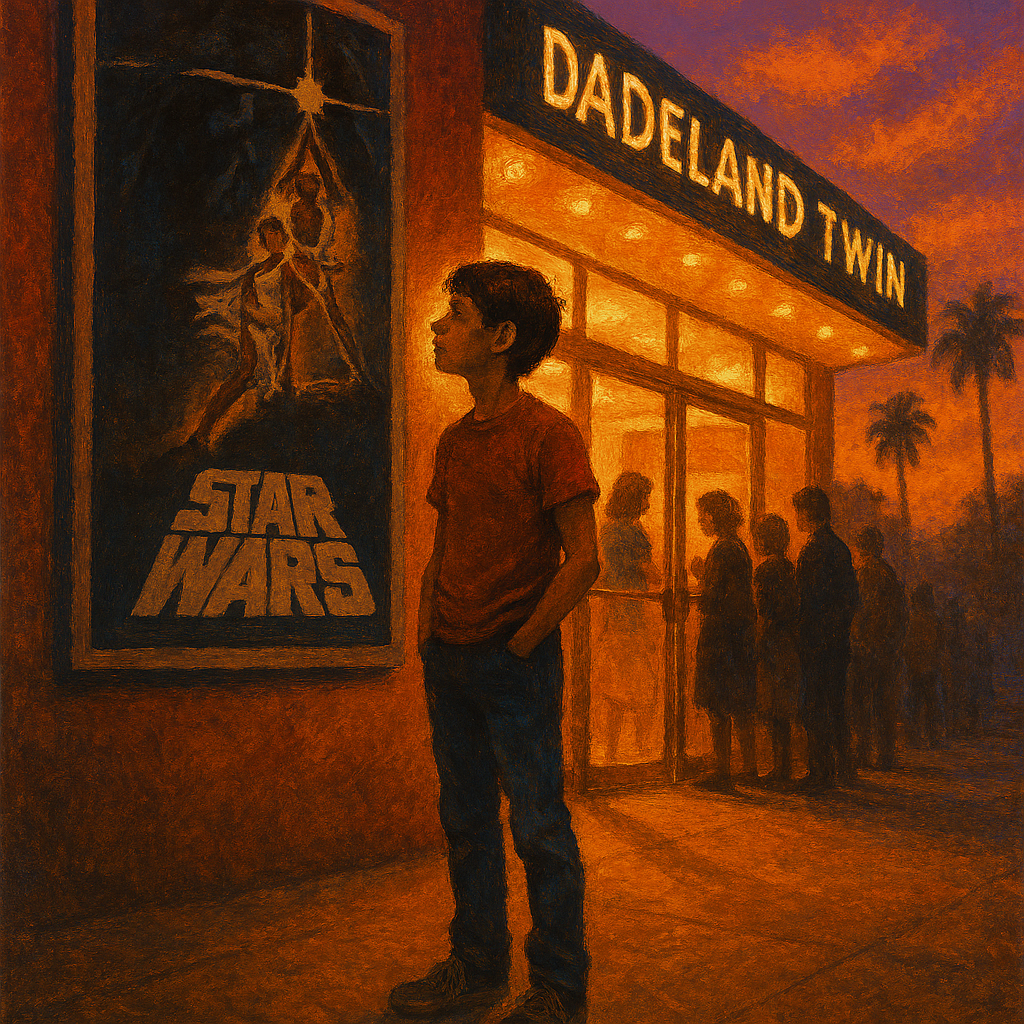
Or imagine wandering into a theater in 1977 to see a movie called Star Wars.
That’s it.
What stars?
Which war?
Where is my trope list?
Fortunately:
Star Wars: An Epic Science-Fiction Adventure About a Farm Boy Who Discovers His Destiny, Rescues a Princess, Battles an Evil Empire, Learns About a Mystical Power, Makes New Friends, and Purchases Two Used Droids Without Asking Nearly Enough Questions.
Now I know whether this movie is for me.
Raiders of the Lost Ark also suffers from dangerous ambiguity. Sure, we know there are raiders and an ark, and apparently somebody misplaced the ark, but where are the important selling points?
Raiders of the Lost Ark: A Pulse-Pounding Historical Adventure Featuring an Archaeologist, Ancient Mysteries, Romance, Nazis, Exotic Locations, Biblical Artifacts, and Several Excellent Reasons to Hate Snakes.
I would also like to help Ridley Scott with Alien:
Alien: A Terrifying, Unputdownable Sci-Fi Horror Adventure About Seven Coworkers Who Answer a Distress Call and Immediately Regret Their Commitment to Excellent Customer Service.
You’re welcome, Ridley.
Obviously, none of these titles needed our help.
That is partly what makes a good title good. It intrigues. It suggests. It plants a question in your mind and then has the good manners to stop talking.
A subtitle can clarify. It can identify a series. It can distinguish one book from another. It can tell readers something they genuinely need to know.
But eventually a subtitle stops being a subtitle and becomes a nervous author grabbing you by the lapels:
“IT’S HEARTWARMING! THERE’S FOUND FAMILY! DID I MENTION THE SECOND CHANCE? YOU LIKE SECOND CHANCES, DON’T YOU? THERE’S A DOG!”
Believe me, fellow authors, I understand.
We desperately want readers to click on the book.
We desperately want them to know that it contains romance, suspense, humor, heartbreak, mystery, adventure, redemption, family secrets, emotional healing, personal growth, and possibly a bakery.
But at some point we have to let the poor reader read it.
Otherwise, we may arrive at the inevitable final stage of subtitle evolution:
The House on Mulberry Lane: Chapters 1–37.
Coming soon:
The sequel.
Its subtitle will contain the complete manuscript.


Share your thoughts with the world!