
Writing the Seventies Without Shouting, “Look! It’s the Seventies!”
One of the dangers of writing a novel set fifty years ago is the temptation to grab the reader by the lapels every three pages and shout:
“LOOK! IT’S THE SEVENTIES!”
Bell-bottoms! Pet Rocks! Watergate! Disco! Avocado-green appliances!
I tried very hard not to do that while writing And the Horse You Rode in On…, my latest Jim Garraty novel.

The story begins in 1975, during what I like to think of as the Summer of the Shark. Jaws was everywhere, and ten-year-old Jim Garraty’s best friend, Mark Prieto, decides that Jim absolutely has to see it.
There is one minor problem.
Jim’s mother has said no.
Mark, being Mark, essentially interprets this as a logistical obstacle.
That gave me one of the novel’s major period references, but it also illustrates something I discovered while writing the book: a period detail works best when it has something to do besides establish the period.
Jaws isn’t in the story simply because Jaws was a big deal in 1975. Mark’s determination to get Jim into the movie affects Jim’s relationship with Mark, creates trouble between Jim and his mother, and forces Jim to make a decision he knows perfectly well he isn’t supposed to make.
In other words, Jaws has a job.
That’s the standard I gradually started applying to other period details.
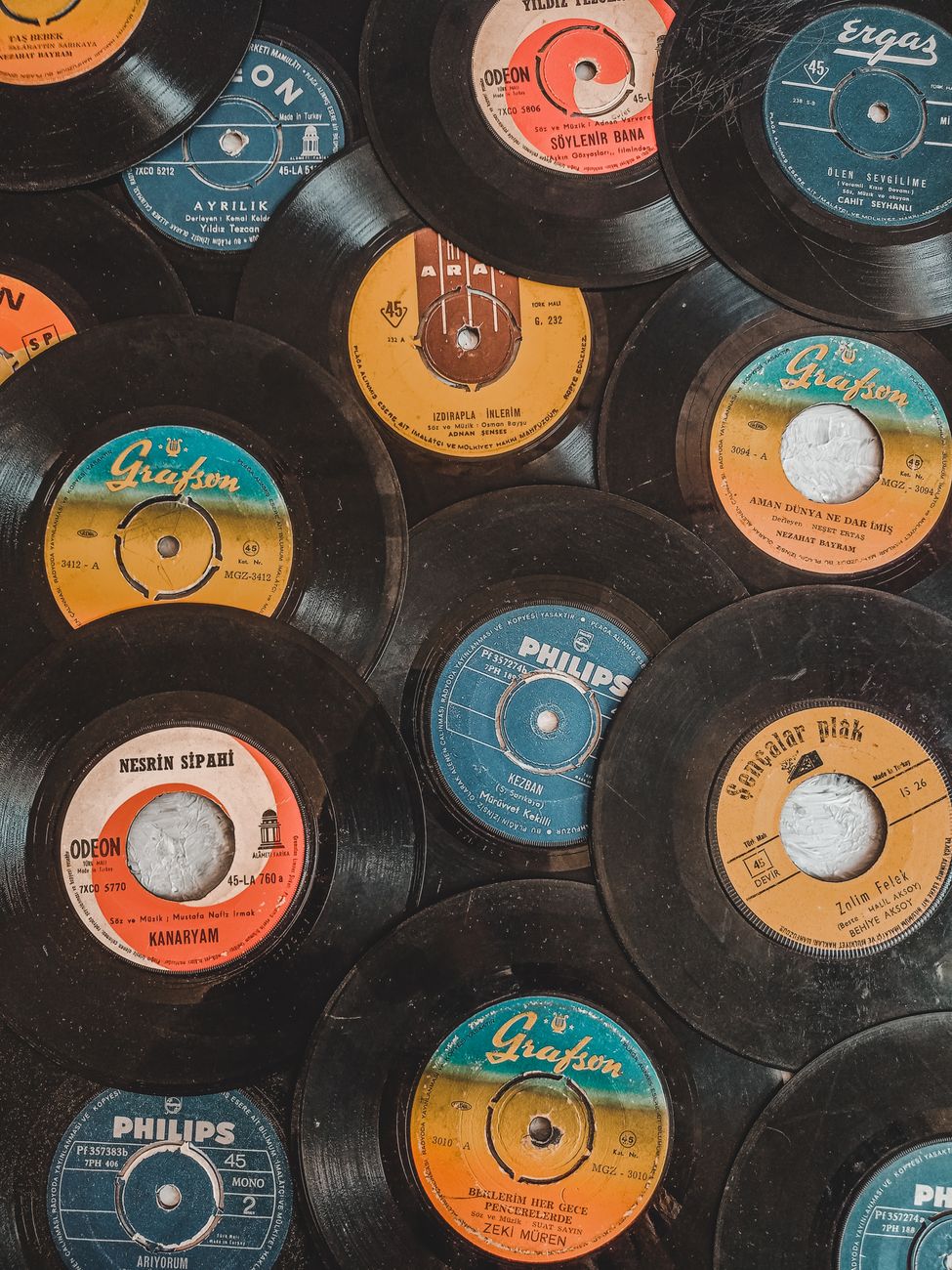
The kids listen to records because kids listened to records. They watch television. They talk about movies. They walk to and from school. They go to one another’s houses. They eat lunches brought from home. They negotiate the peculiar politics of elementary-school classrooms, playgrounds, friendships, rivalries and, increasingly, girls.
But none of them wakes up in the morning thinking:
What a fascinating day to be alive in the mid-1970s.
To Jim, Mark, Cheryl, Patrick and the rest of the kids, it isn’t the Seventies.
It’s just now.
The Things Memory Gives You
I do have one advantage when writing about this period.
I was there.
Some of the raw material behind Horse comes from memories of my own childhood. I remember going to friends’ houses and sometimes winding up staying for dinner. I remember the neighborhood mother who seemed to be a CIA unto herself, somehow possessing intelligence that no child could figure out how she had acquired.
I remember listening to “The Night Chicago Died” on another friend’s record player.
I remember classroom dynamics. The alliances. The rivalries. The strange social hierarchies that formed among kids who had been placed together in the same room for most of a school year.
And, yes, I remember first kisses on school grounds.
Memory is tremendously useful to a fiction writer because it supplies things that research sometimes can’t: not just what something looked like, but what it felt like.
What did it feel like to be ten? Or eleven? Or twelve?
What did friendship mean when your entire social universe might consist of your school and a few surrounding blocks?
What did it feel like when adults somehow knew something you’d been desperately hoping they wouldn’t find out?
What did it feel like when a girl you’d known for years suddenly wasn’t simply another kid in your class anymore?
Those emotional memories are invaluable.
But there’s an important distinction to make here.
Jim Garraty isn’t me.

(C) 2026 Alex Diaz-Granados
And the Horse You Rode in On… isn’t a roman à clef in which Young Alex Diaz-Granados wanders through 1975 under an assumed name.
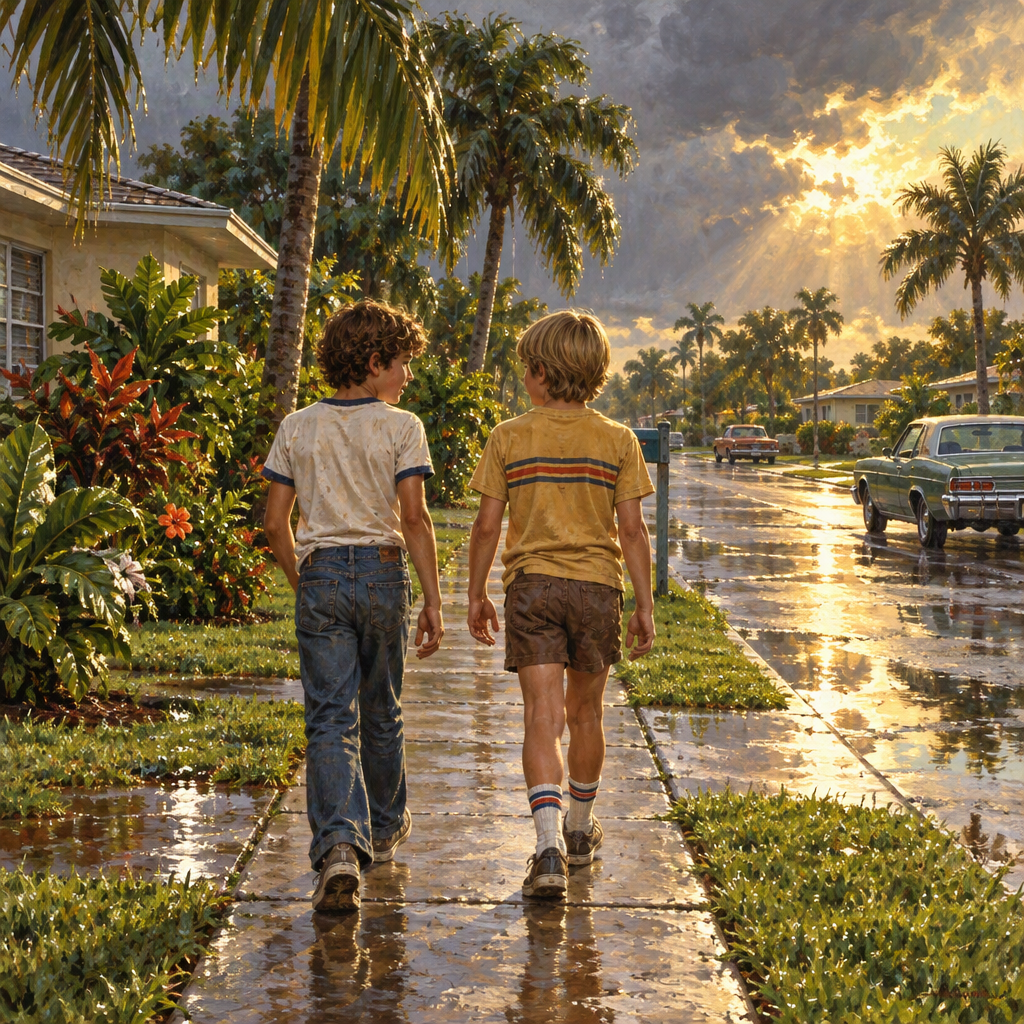
I lend Jim memories sometimes. I lend him places, sensations, bits of childhood culture and some of the emotional weather of being a kid in South Florida in the mid-Seventies.
Then fiction takes over.
Jim has his own family. His own friends. His own fears. His own mistakes. His own relationships. His own history.
Mark Prieto isn’t somebody I knew with the serial numbers filed off. Neither are Cheryl Thigpen or Patrick Blanchard.
Memory gives me the paint. It doesn’t dictate the picture.
Avoiding the Seventies Museum

That distinction helped me with another problem.
When we remember an era decades later, we tend to remember everything at once.
The Seventies become one enormous cultural attic containing Jaws, disco, Watergate, Star Wars, polyester, Saturday morning cartoons and whatever else survived in the collective memory.
But people didn’t experience a decade retrospectively.
They experienced Tuesday.
That’s why some of my favorite period details in Horse are the small ones.
A lunchbox. A record player. Something hanging on a classroom wall. A conversation on the walk home. The informal rules governing whose house everybody visited after school. What kids traded from their lunches.
Those details aren’t necessarily as recognizable as a blockbuster movie or a hit song.
They’re also the details that can make the world feel lived in.
The trick, I think, is allowing the historical setting to remain where it belongs: around the characters rather than in front of them.
If Jim notices something, there should be some reason Jim notices it.
If he doesn’t, I don’t necessarily need to stop the story and point it out on his behalf.
Meeting Jim Near the Beginning
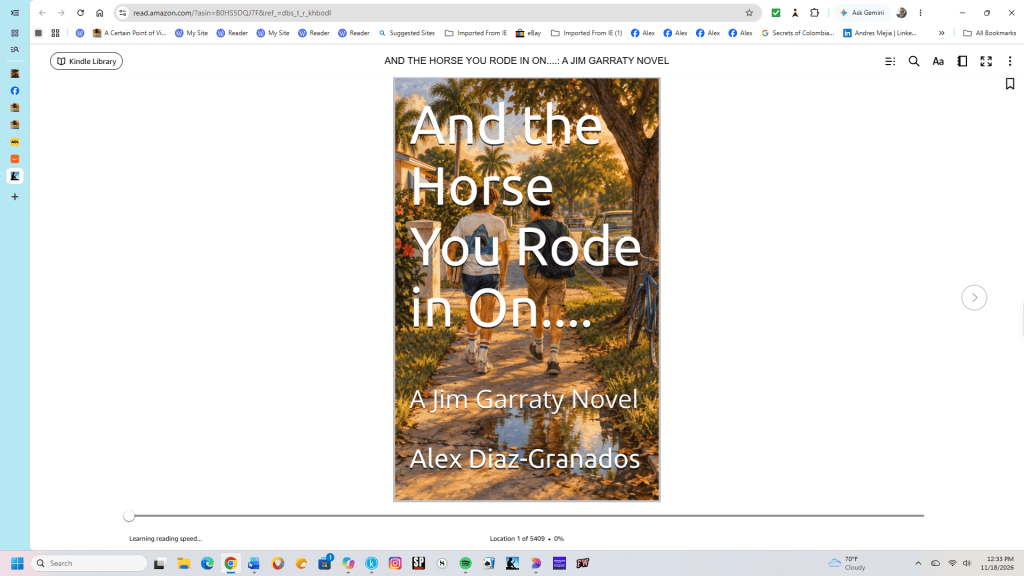
There’s another interesting thing about And the Horse You Rode in On….
Although the novel grew from a reference in Reunion: Coda, I think Horse may be one of the best entry points into the Jim Garraty Chronicles.
Chronologically, it takes us back toward the beginning.
Jim is still a boy. Mark Prieto is becoming the friend who will matter enormously to him. Some of the friendships, habits, insecurities, loyalties and emotional patterns that echo through the later stories are only beginning to take shape.
Tonally, though, the book already belongs to the same world.
There’s friendship. Family. Humor. Popular culture. Awkwardness. Disappointment. Affection. Growing up.
And occasionally there is an absolutely terrible decision made with complete confidence that it is an excellent idea.
That’s especially true when Mark is involved.
A reader doesn’t need to know the older Jim Garraty to understand the eleven-year-old one. If you’ve read the other books, you’ll recognize echoes and connections. If you haven’t, they aren’t prerequisites.
That makes Horse something I didn’t necessarily set out to write:
an origin story that doesn’t behave very much like an origin story.
It isn’t there to explain every future detail about Jim Garraty. It’s simply a story about Jim when he was between ten and twelve and about some of the people who helped him become the man readers meet elsewhere in the Chronicles.
Letting the Past Be the Present

Maybe that’s ultimately the challenge of writing fiction set in a period you actually remember.
You want the details to be right.
You want the music, movies, schools, houses, toys, language and everyday routines to belong there.
But then you have to stop admiring all that research and memory long enough to let your characters live in it.
The past wasn’t nostalgia when we were living through it.
It wasn’t a collection of cultural references.
It was simply life.
So while writing And the Horse You Rode in On…, I wasn’t really trying to recreate the Seventies.
I was trying to remember just enough of them to create a world in which Jim Garraty could stop noticing that he was living in the Seventies.
And just be a kid.


Share your thoughts with the world!