TIME Magazine — July 8, 1985 Issue
A Sudden Clash Off Okinawa: America’s First Victory in a Spreading Pacific War
By Michael Harrington | TIME Pacific Bureau, Tokyo
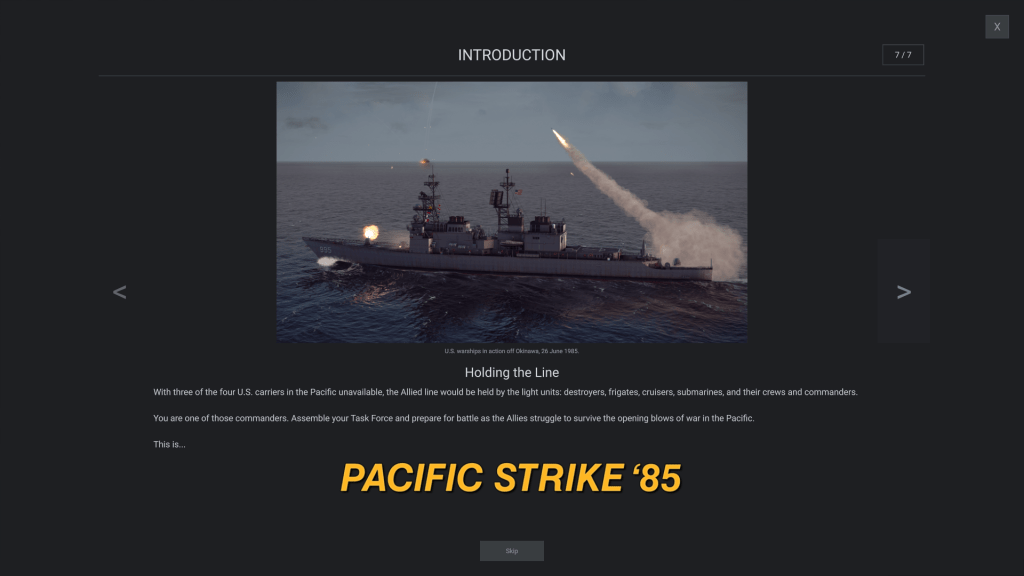
When the shooting finally stopped off Okinawa late on the night of June 26, the U.S. Navy had won its first clear victory in what is rapidly becoming the most volatile conflict in Asia since the early days of Vietnam. The Pentagon calls it a “decisive action by forward‑deployed forces.” Privately, senior officers admit it was something more: a badly needed success after a week of shocks, setbacks, and strategic surprises across the Western Pacific.
A War That Began Before Anyone Said the Word
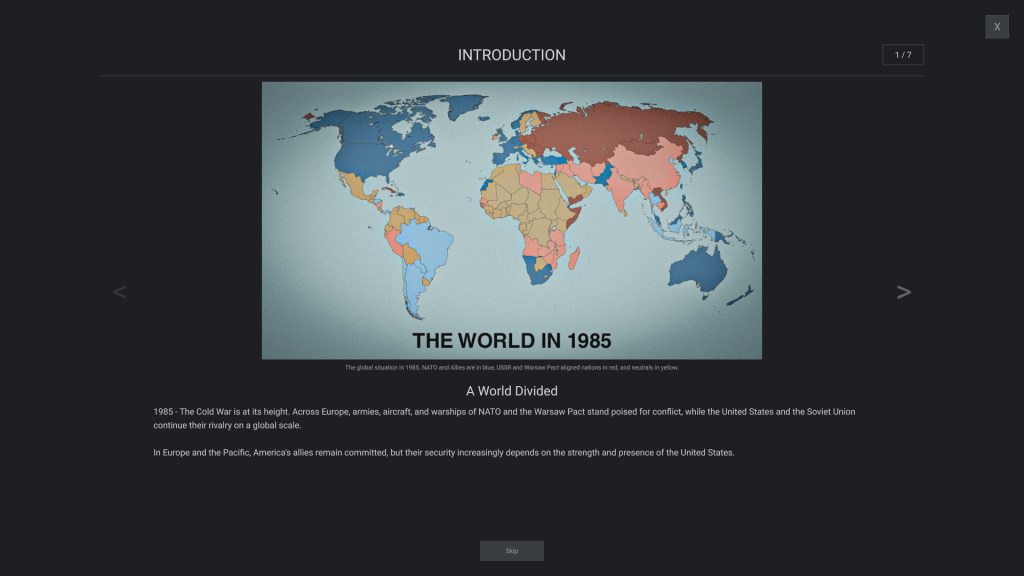
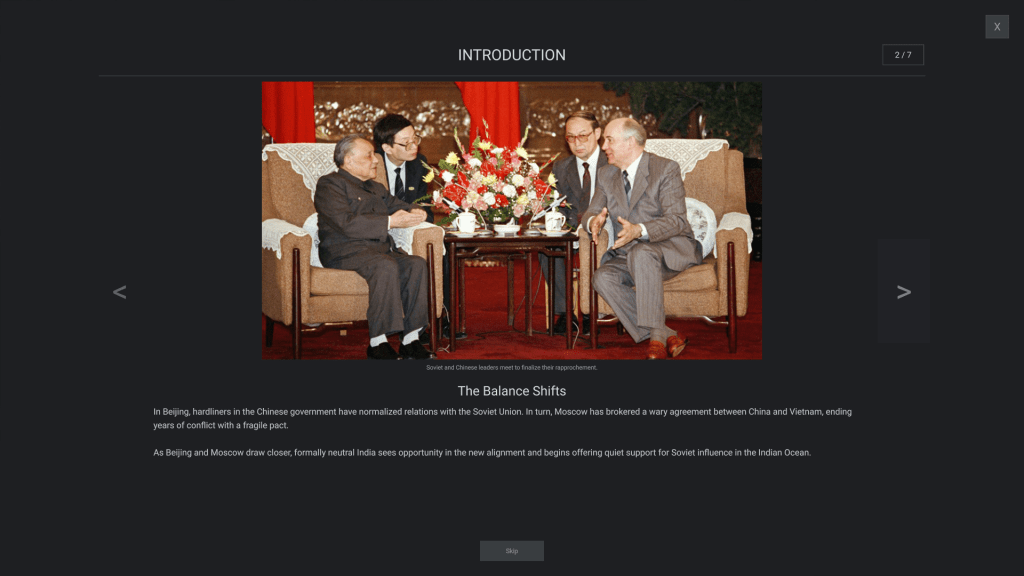
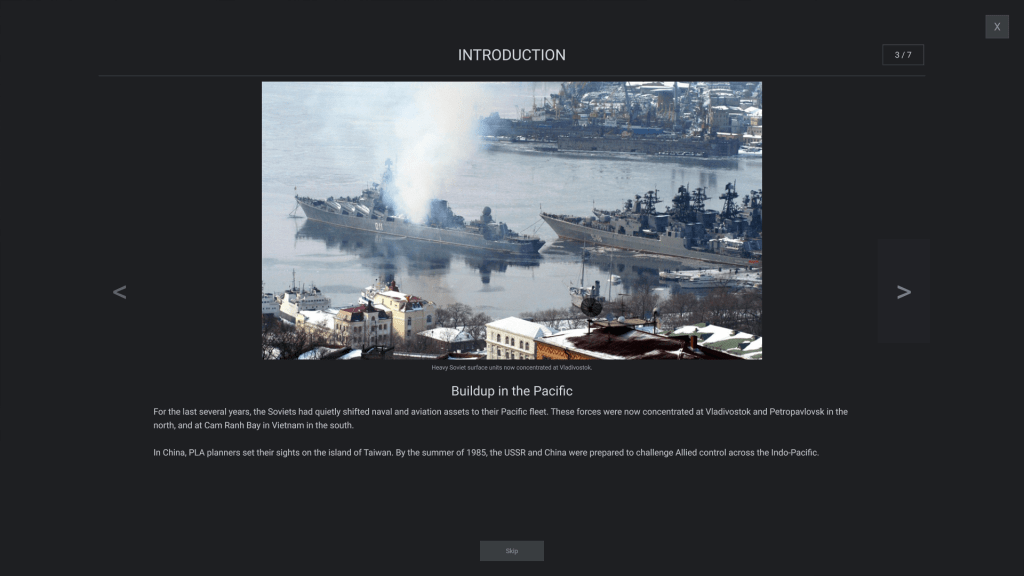
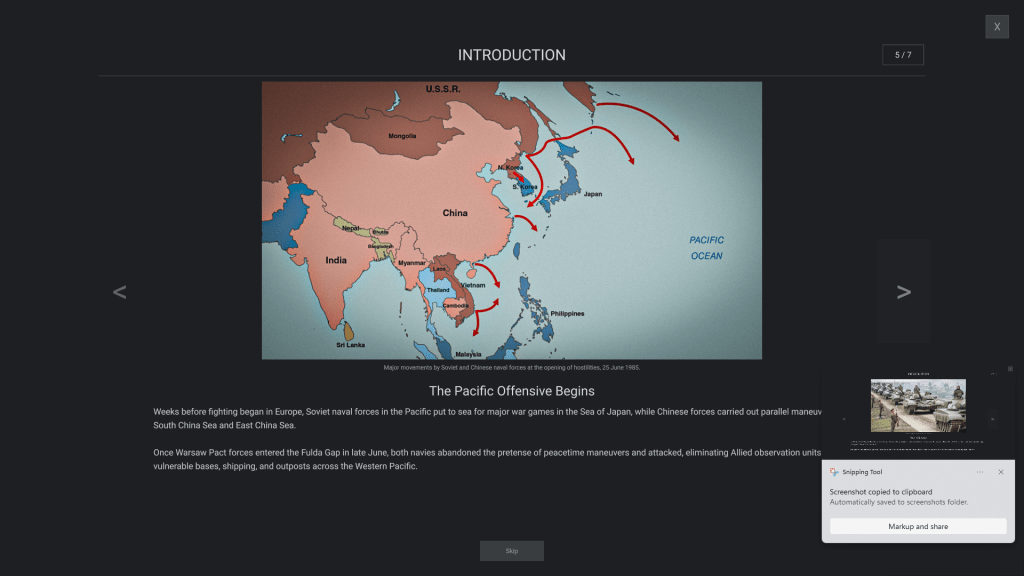
The crisis did not erupt overnight. For months, Soviet and Chinese forces had been conducting what both governments described as “extended naval exercises” in the Sea of Japan and the South China Sea. Western intelligence analysts now say those maneuvers were, in fact, the opening movements of a coordinated campaign.
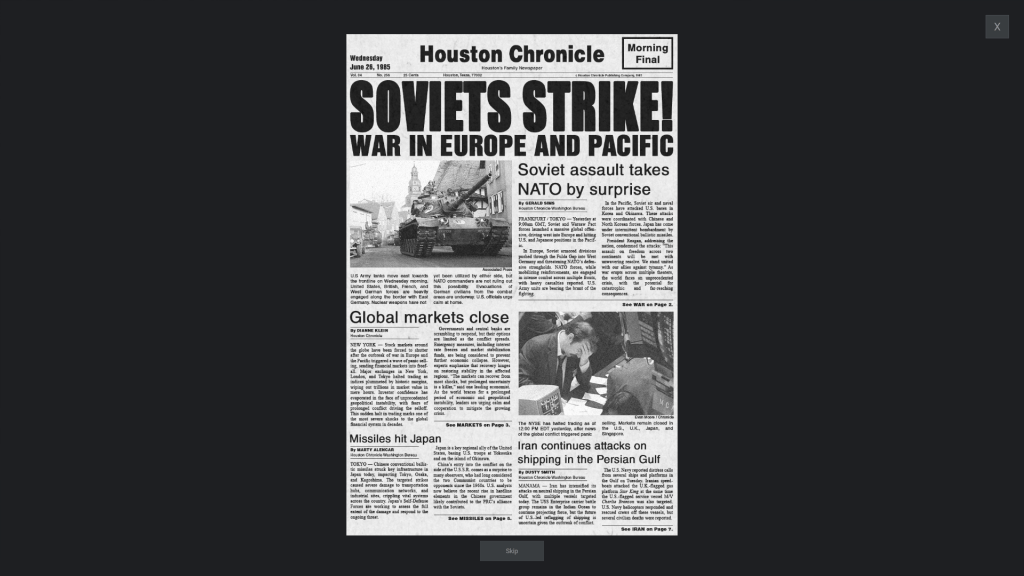
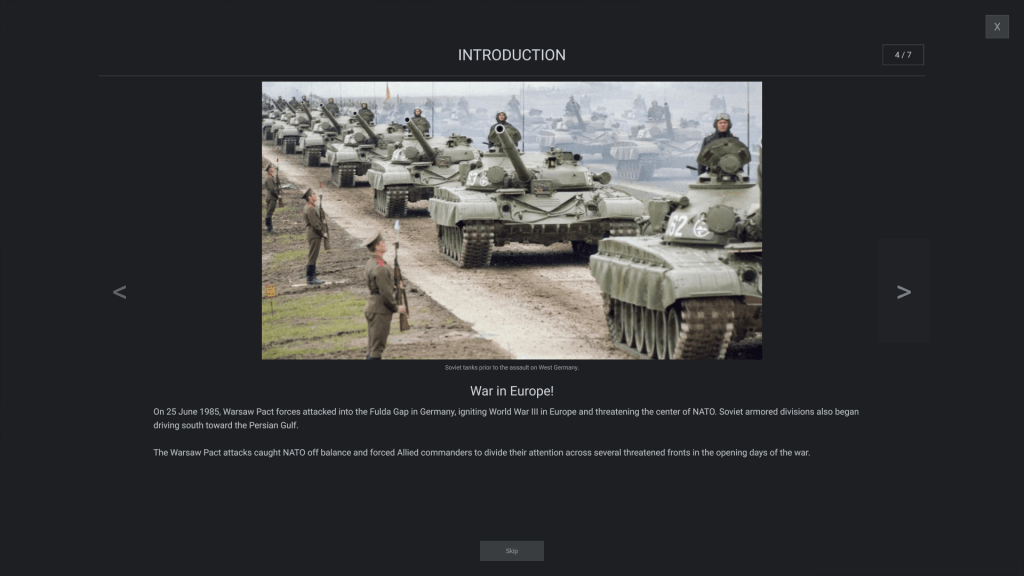
The turning point came in Europe. When Warsaw Pact armor surged through the Fulda Gap on June 25, Beijing and Moscow dropped the pretense of neutrality and launched simultaneous strikes across the Pacific Rim. Observation posts were overrun. Shipping lanes were hit. Outlying bases in Japan and the Philippines reported attacks within hours.
The U.S. response was swift but troubled. President Reagan ordered Operation REFORGER into motion in Europe and directed the Pacific Fleet to sortie at once. But two major carriers were knocked out of the fight almost immediately: USS Kitty Hawk, damaged by a submarine‑laid mine while departing Yokosuka, and USS Carl Vinson, crippled by flooding after suspected sabotage near San Diego. With Enterprise committed to the Indian Ocean and Constellation still racing north from Pearl Harbor, the Seventh Fleet found itself stretched thin at the very moment the region needed it most.
The Raid That Wasn’t Supposed to Happen
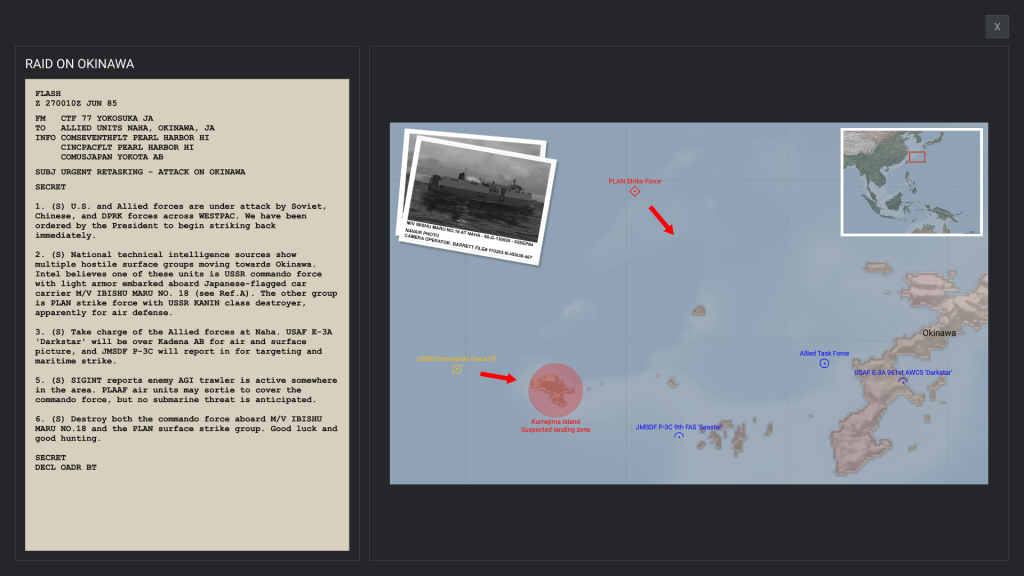
Against this backdrop, a mixed Soviet–Chinese raiding force slipped toward Okinawa under cover of bad weather. According to Seventh Fleet officials, the group included several coastal combatants, at least one destroyer, and a merchant vessel carrying what intelligence now believes was a commando detachment intended for sabotage operations on the island.
What happened next is difficult to reconstruct. The Navy has released only a terse summary, and officers familiar with the action say classification rules prevent them from discussing sensor tracks, engagement ranges, or the sequence of strikes. “We can only speak to what CINCPACFLT has cleared,” one official told TIME. “The details of the fight remain operationally sensitive.”
What can be said is this: Task Group 77.3, a small surface action group operating southwest of Okinawa, intercepted the raiders and destroyed them.
A Clean Victory in a Dirty Week
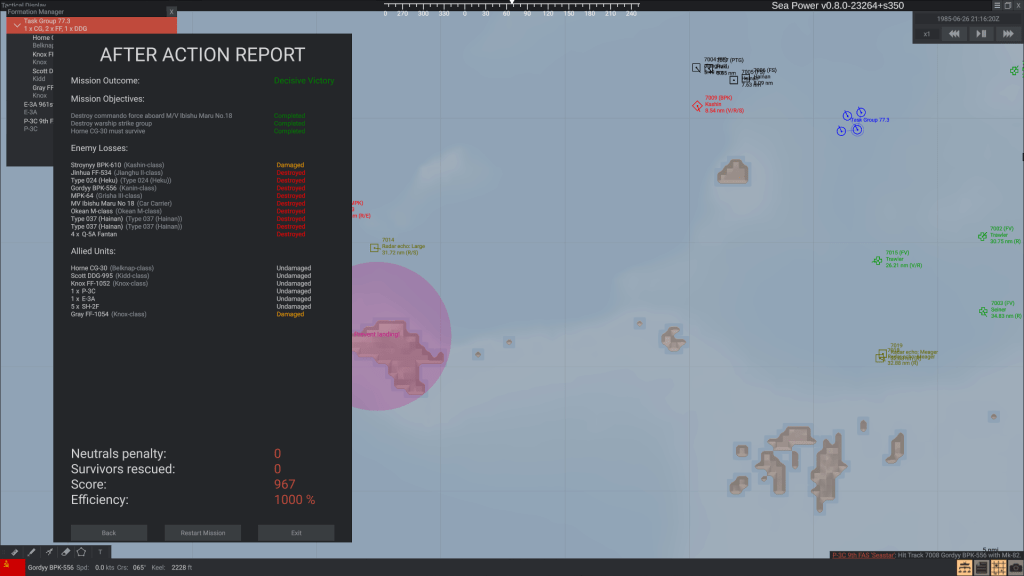
The Navy’s official after‑action report confirms the destruction of multiple enemy vessels, including a Kashin‑class destroyer, a Jianghu‑class frigate, several patrol craft, and the disguised merchant ship carrying the commando force. Four Q‑5 Fantan strike aircraft were also downed. No U.S. ships were lost, though the frigate USS Gray sustained moderate damage.
The task group’s flagship, the missile cruiser USS Horne (CG‑30), emerged unscathed. So did USS Scott (DDG‑995) and USS Knox (FF‑1052). A fourth frigate, USS Lockwood (FF‑1064), joined the formation shortly after the action as reinforcements flowed toward Okinawa.
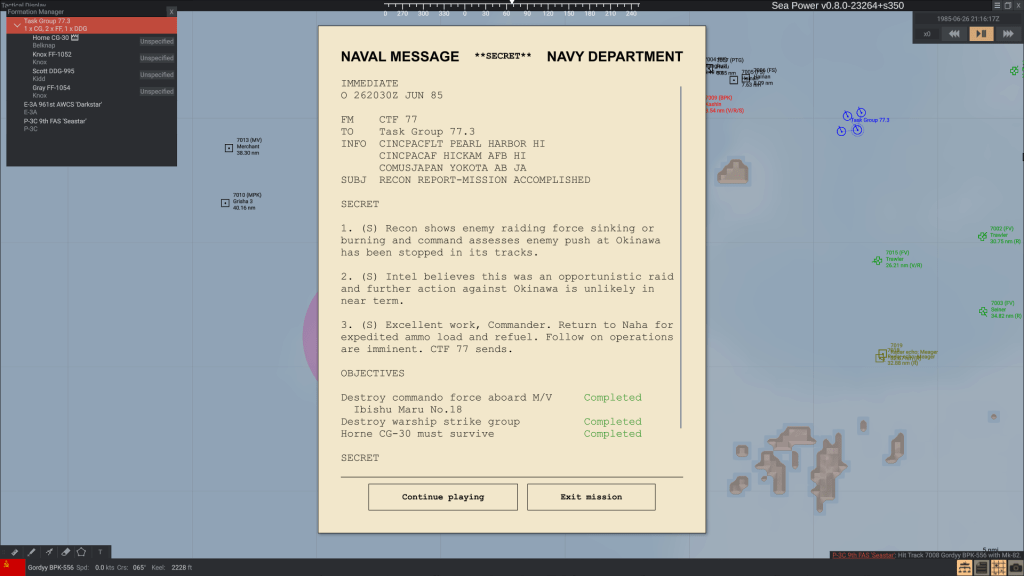
Seventh Fleet Commander Vice Adm. Robert L. Walters praised the group’s performance, calling it “disciplined, coordinated, and decisive.” CINCPACFLT echoed the sentiment, noting that the raid “was stopped in its tracks” and that further enemy action against Okinawa is “unlikely in the near term.”
A War Still Expanding
If the victory brought relief, it was short‑lived. Within days, Chinese forces began moving against Nationalist‑held islands in the Taiwan Strait, prompting new orders for Task Group 77.3: proceed west and strike an approaching landing force near Dongyin.
The battle off Okinawa may be remembered as the moment the United States regained its footing in the Pacific. But it is also clear that the conflict is widening. The Seventh Fleet is still short two carriers. Reinforcements are en route, but the tempo of operations is rising. And the uneasy partnership between Beijing and Moscow — once dismissed as a diplomatic curiosity — has become a military reality.
For now, the Navy is celebrating a hard‑won success. But as one officer in Yokosuka told TIME, “This war is only beginning. Okinawa was the first test. Taiwan will be the second.”


Share your thoughts with the world!