
Which Trope in Fiction Annoys Me the Most? The Meet‑Cute — And Why My Work Favors the Meet‑Smart
Every writer has a trope that makes them wince. For some, it’s the chosen one. For others, it’s the villain who monologues. For me, the most grating trope — the one that feels flimsy, overused, and emotionally shallow — is the meet‑cute.
The meet‑cute is the narrative equivalent of a sugar rush: quick, sweet, and forgettable. Two characters collide, spill coffee, reach for the same book, or get trapped in an elevator. The universe conspires to make them notice each other. It’s charming, but charm is not character. Charm is not depth. Charm is not destiny.
And charm is not what I write.

The Meet‑Cute Is Built on Accident
The meet‑cute depends on coincidence. It assumes that attraction springs from proximity rather than personality. It treats connection as something that happens to characters rather than something that emerges from them.
But literary fiction — the kind I write — is built on interiority. On history. On intellect. On the slow reveal of who people are beneath the surface.
Which is why I prefer the meet‑smart.
The Meet‑Smart Is Built on Recognition
A meet‑smart is not about bumping into someone. It’s about seeing someone.
It’s about two minds clicking into place before anything else does. It’s about shared knowledge, shared references, shared curiosity. It’s about the moment when one character realizes that the other speaks the same internal language.
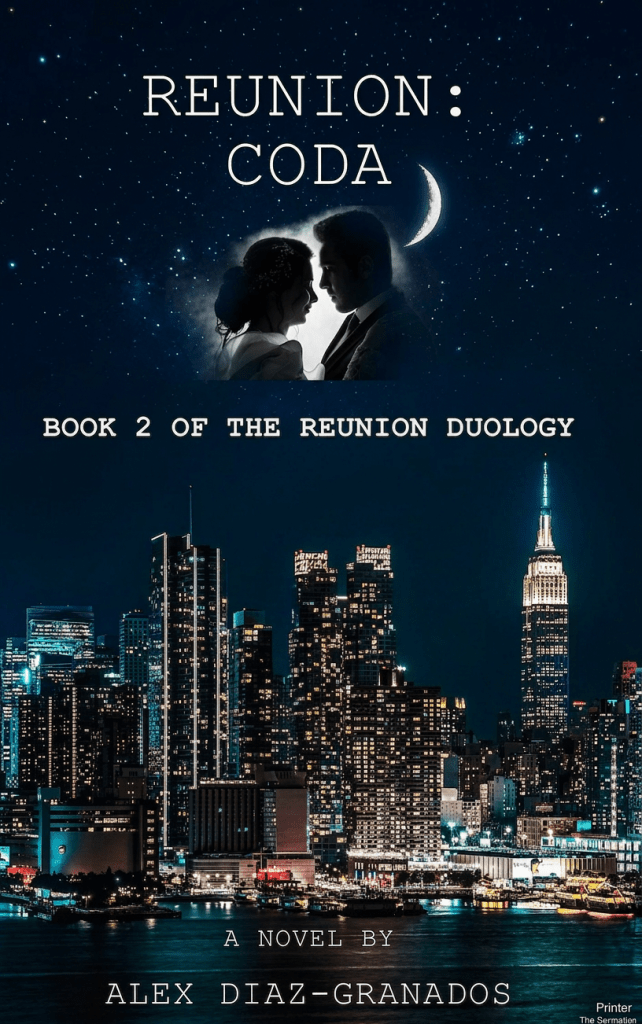
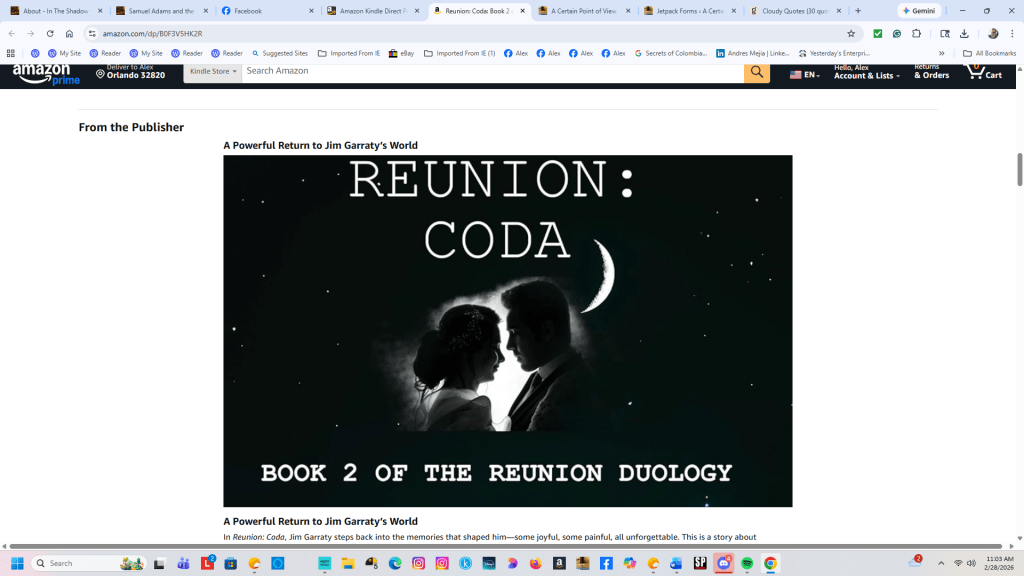
And that’s exactly what happens in the Moonglow scene in Reunion: Coda.
How the Moonglow Scene Rejects the Meet‑Cute
On paper, Jim and Maddie’s first encounter could have been written as a meet‑cute. A crowded nightclub. A stranger asking if a seat is taken. A bag of books almost slipping from her arms. A moment of flustered politeness.
But the scene doesn’t lean on accident. It leans on intellect.
Maddie doesn’t spill anything. Jim doesn’t trip. No one bumps into anyone. There’s no contrived mishap to force them together. Instead, the scene unfolds through observation, curiosity, and shared cultural fluency.
Jim notices her accent — that refined Mid‑Atlantic lilt with a British edge. He notices the Book Culture bag, the contents not quite peeking out, the way she tucks it under the table with practiced care. He notices her scent, her poise, her attentiveness to the room’s wartime décor.
She notices his musical knowledge. He notices hers.
And then comes the moment that defines the encounter — the moment that makes it a meet‑smart rather than a meet‑cute:
He hums a melody. She recognizes it instantly.
Not because the plot needs her to. But because she would.
“Mozart, right? The flute and harp concerto?”
That line is the hinge on which the entire scene turns. It’s not coincidence. It’s recognition. It’s two minds meeting in the middle of a noisy nightclub, finding each other through shared knowledge rather than shared clumsiness.
Why This Matters
A meet‑cute tells the reader: “These two people will matter to each other because the story says so.”
A meet‑smart tells the reader: “These two people will matter to each other because they understand each other.”
The Moonglow scene works because it respects the intelligence of both characters — and the intelligence of the reader. It doesn’t rely on a gimmick. It relies on the subtle, adult chemistry that emerges when two people reveal themselves through what they know, what they notice, and what they choose to say.
Jim and Maddie connect not because they collide, but because they recognize each other.
The Meet‑Cute Isn’t Wrong — It’s Just Not Mine
The meet‑cute has its place in romantic comedies and YA fiction. It’s light, it’s fun, it’s fizzy. But it’s not the kind of encounter that belongs in literary fiction, where characters carry history, intellect, and emotional complexity.
In my work, attraction is not an accident. It’s a conversation.
It’s a shared reference. A spark of recognition. A moment where two minds align.
That’s the meet‑smart. And that’s why the Moonglow scene unfolds the way it does — not as a trope, but as an introduction worthy of the characters who inhabit it.


Share your thoughts with the world!