

Saturday, September 26, 2026 – Orlando, Florida
Writing fiction—telling stories—is hard work. There: I said it, and my shoulders already feel lighter.
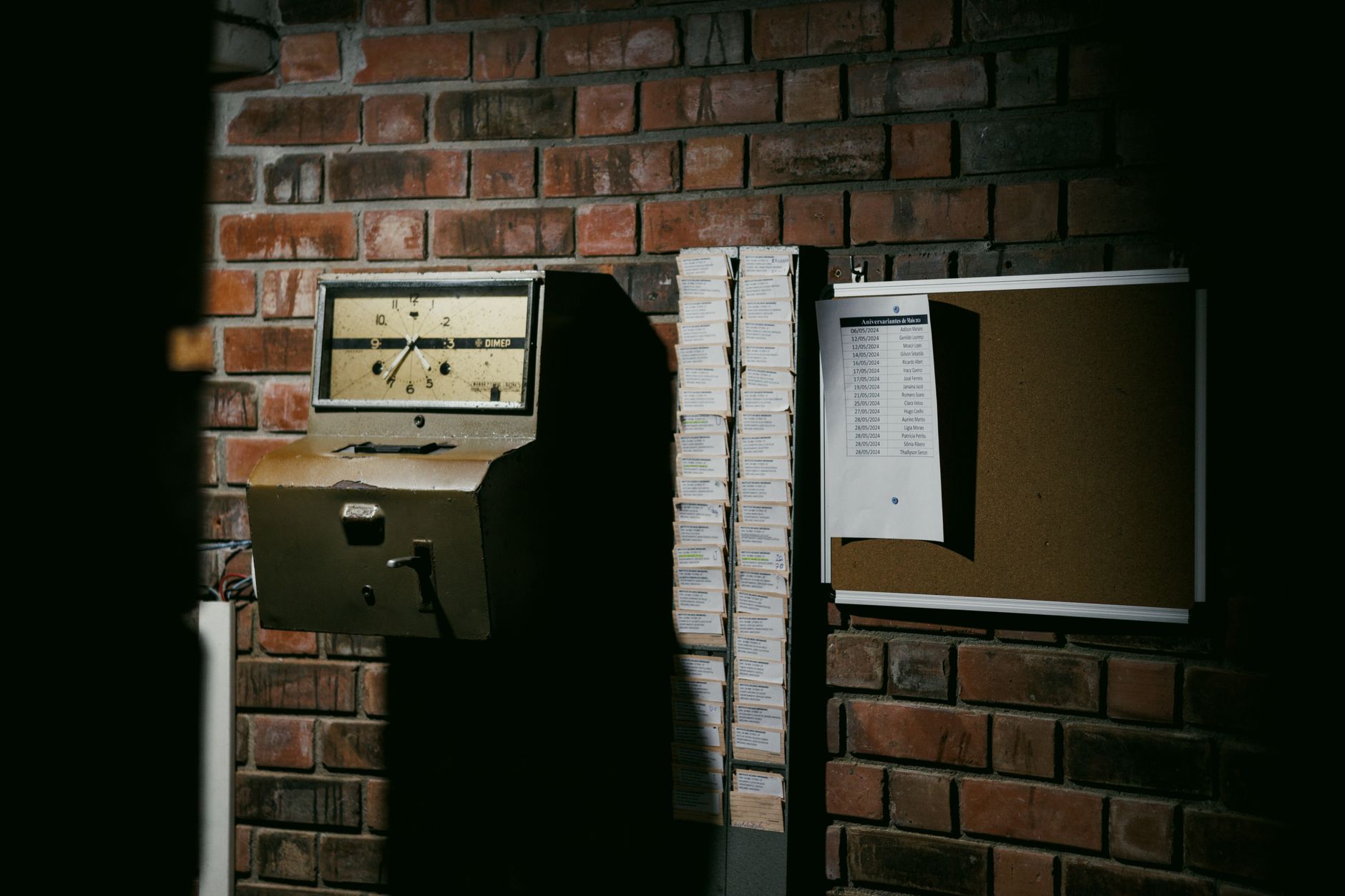
Say it with me, people: storytelling, especially when you’re trying to earn a living from it, is not a career one chooses lightly. It does not arrive with a pension plan, sensible shoes, or much respect from people who believe “real work” must involve a time clock and a break-room coffeemaker that tastes faintly of despair.
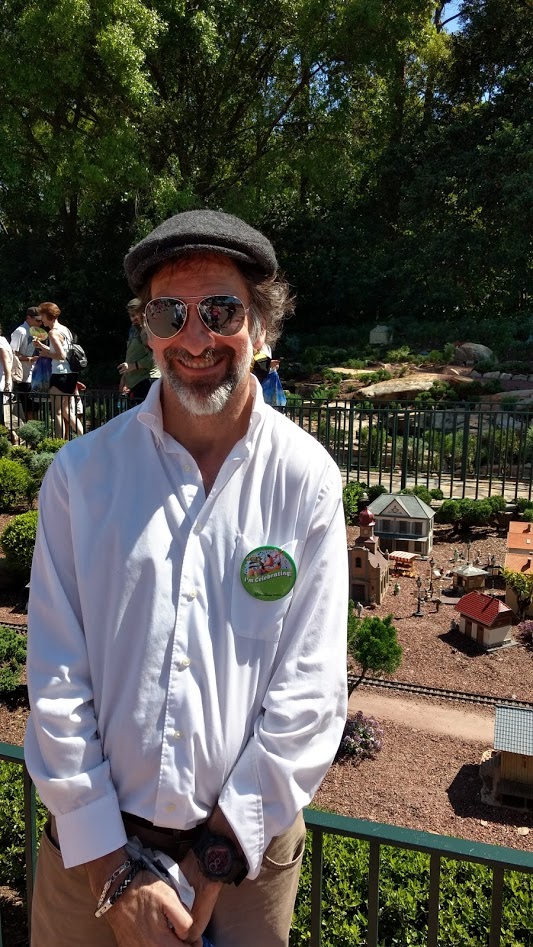
Take me, for instance—and please, be gentle.
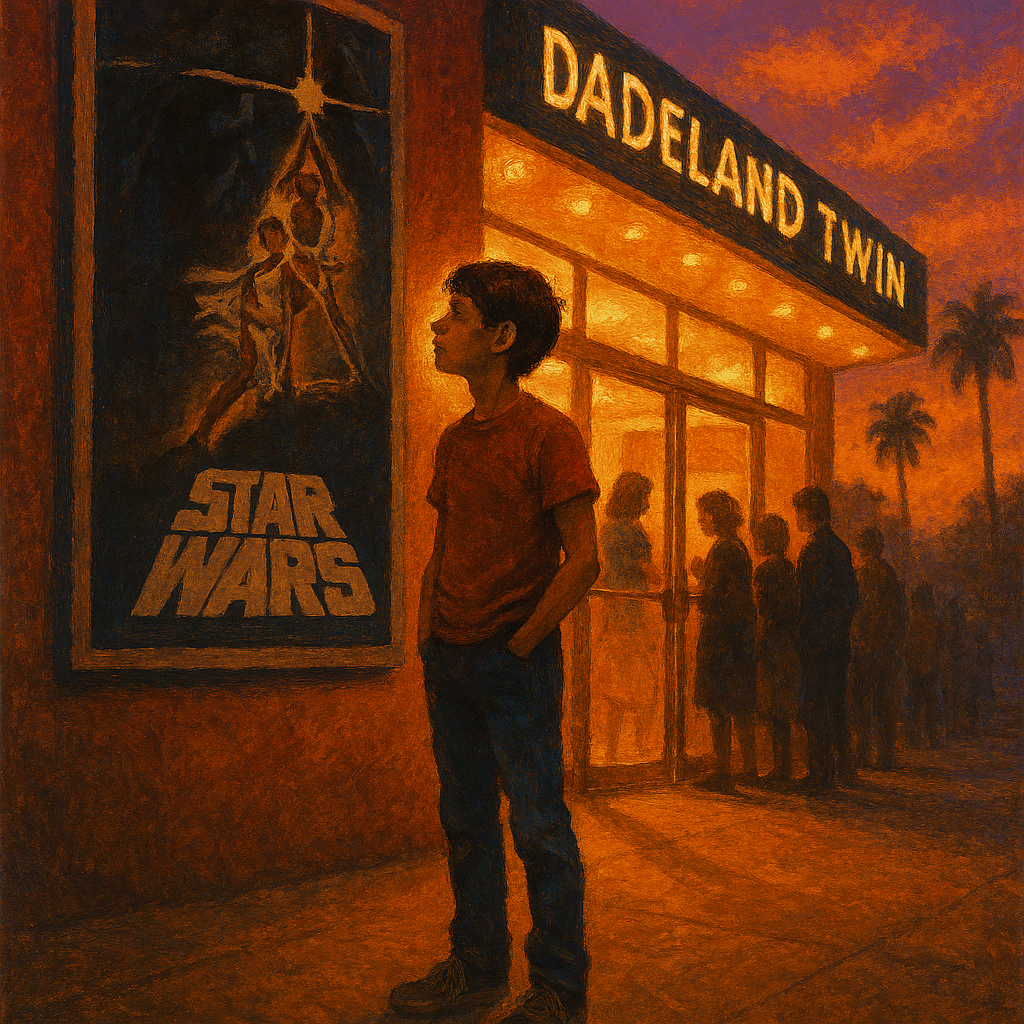
I don’t remember exactly how old I was when I realized I wanted to be a writer and, with any luck, earn a living at it. Probably nine or ten, sitting at the big, heavy, battleship‑gray Royal electric typewriters in Mrs. Chambers’ Special Ed class at Tropical Elementary School, circa 1972 or 1973. At the time, I wasn’t pondering royalties or contracts or the glamorous prospect of explaining book sales to the taxman. I just loved those machines in Room 29—the hum, the clack, the way a blank sheet of paper felt like permission. I drafted adventure stories full of derring‑do and a heroic surplus of clichés borrowed from Sgt. Rock comic books and John Wayne movies from the Forties and Fifties.

It wasn’t until I was 15—in the spring of 1978—that I decided, firmly and against my maternal grandmother’s hopes that I would study law, to become a writer: a Professional Daydreamer.™ Some of my teachers, including Mrs. Chambers; Ms. Lincoln, Tropical’s librarian; and Ms. Bedford, the beautiful reading specialist who looked uncannily like Yeoman Barrows from Star Trek’s “Shore Leave” on whom I had my first—but not last—“teacher crush,” thought I had talent in that direction. Besides, I was a good speller, which at 15 seemed like practically half the job.

But here’s what nobody tells you when you’re young, hopeful, and able to sit down without making a noise: writing doesn’t get easier simply because you’ve been doing it for decades. If anything, it gets harder—not because the craft becomes more complicated, but because you do. You collect memories, losses, responsibilities, aches, bills, and the occasional existential crisis that shows up uninvited. You grow older, wiser, more sentimental, more cautious. And then one day you sit down to write about a ten‑year‑old boy in 1975 and discover you must peel away more than forty years of adulthood just to hear his voice clearly.
That’s where I am with And the Horse You Rode in On. Trying to slip back into the skin of my younger self—or someone like him—is like trying to recall the exact texture of sunlight on your face from a summer afternoon long gone. You know it happened. You can almost feel it. But the sensation stays just beyond reach, softened by time and blurred by the thousand small heartbreaks that gather between childhood and now.
And while I’m wrestling with that—reconstructing the emotional architecture of being ten in a world without smartphones, the internet, or the constant hum of adult anxieties—I’m also contending with another kind of noise: the derisive chorus of self‑appointed graduates from the “School of Hard Knocks.” You know the type. They puff out their chests and announce that writing isn’t a “real job,” as though stories are assembled overnight by helpful elves with excellent grammar. They insist creatives like me are wasting our time, that storytelling doesn’t matter, and that we should grow up and do something practical.
As if imagination were a luxury. As if stories didn’t shape the world. As if the books, films, songs, and narratives they consume every day simply appeared out of thin air, fully edited and conveniently priced.
I’ve heard variations of that dismissive refrain all my life, and I’d be lying if I said it never stung—especially on days when the writing crawls, the doubt turns up the volume, or the ten‑year‑old protagonist I’m trying to channel refuses to come out from behind the curtain of memory. Apparently, even imaginary children know how to evade an adult who wants answers.
Still, here’s the truth I keep returning to: storytelling is work. Hard work. Necessary work. It asks for empathy, discipline, curiosity, patience, and the willingness to keep going when nobody is applauding—and sometimes when nobody seems to be listening at all. It requires a kind of stubborn hope, the belief that what you’re making matters even if the world hasn’t said so yet.
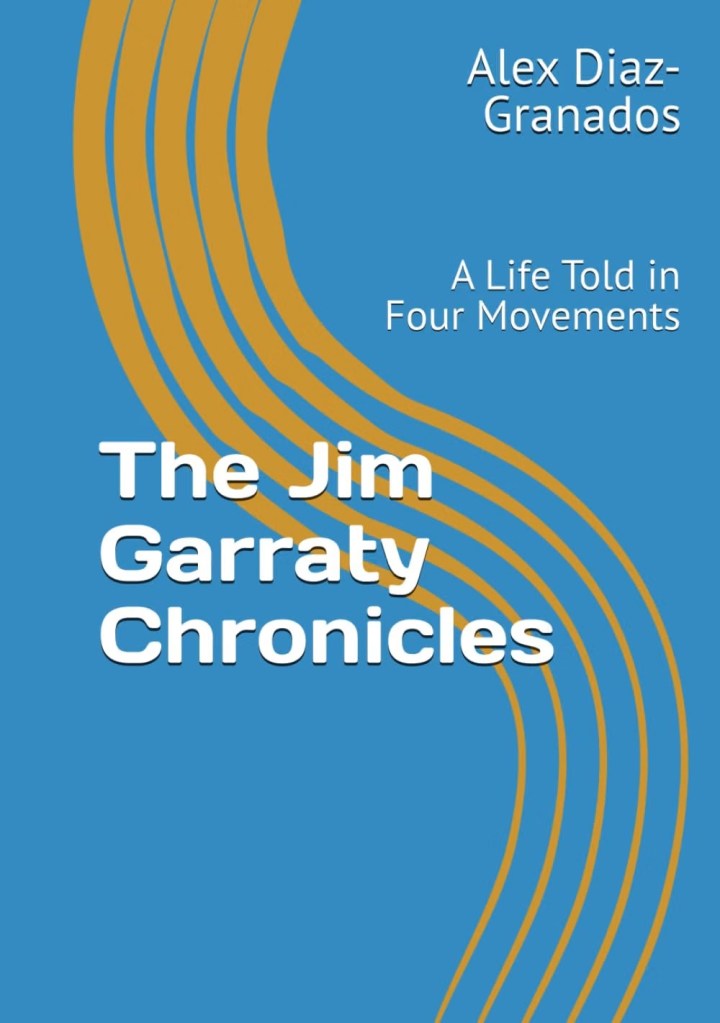
And despite what the Hard Knocks crowd thinks, it is work worth doing. I was reminded of that when a friend told me she plans to order The Jim Garraty Chronicles and tell her friends about it. Maybe they’ll listen; maybe they won’t. But she’ll buy the omnibus—and for now, that small, generous vote of confidence feels like hope with a receipt.


Share your thoughts with the world!