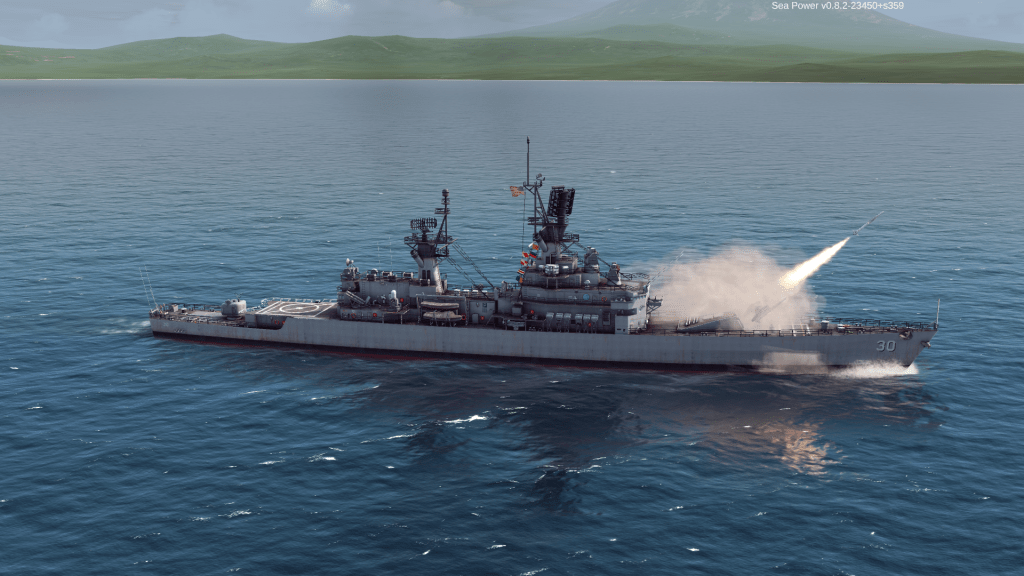
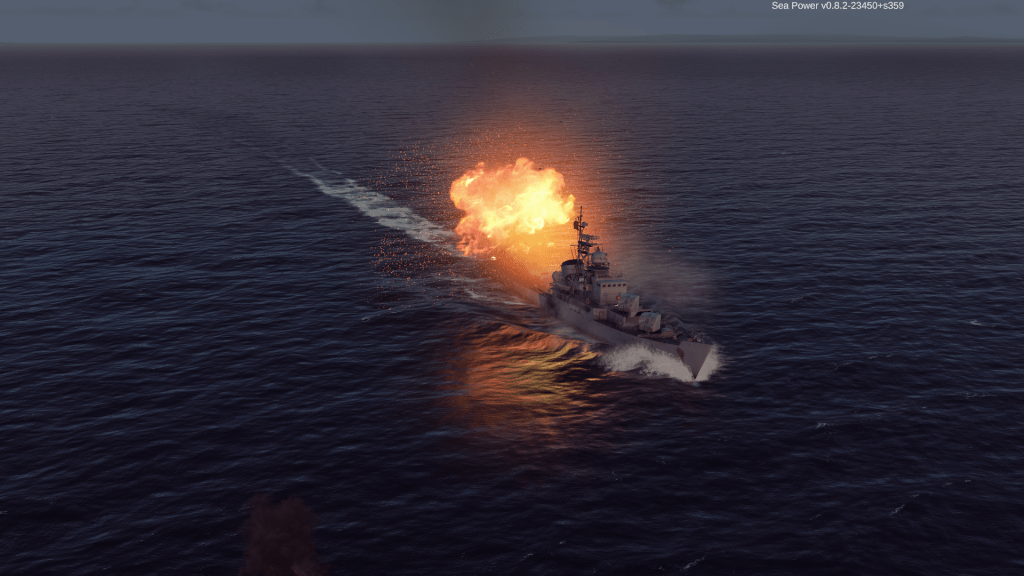
Steel, Fire, and Blood in the Sunda Strait
By David Reynolds, TIME Correspondent, Darwin
July 22, 1985
DARWIN — The men of Task Group 77.3 arrived in Australia’s Top End looking less like victors than survivors. Their ships bore the scars of a week-long gauntlet through one of the most contested waterways in the world, a narrow corridor of sea that has suddenly become the hinge of a widening Pacific conflict. Yet their arrival here marks what senior Navy officials are quietly calling the first decisive American success of the war.
The Battle of the Sunda Strait — a name already spoken with a mixture of pride and disbelief in the bars along Mitchell Street — was not supposed to be a battle at all. It was meant to be a withdrawal: a controlled, disciplined escape from a tightening noose of Soviet and other Communist forces. But somewhere between the first radar contact and the last missile splash, the retreat became a fight, and the fight became a rout.
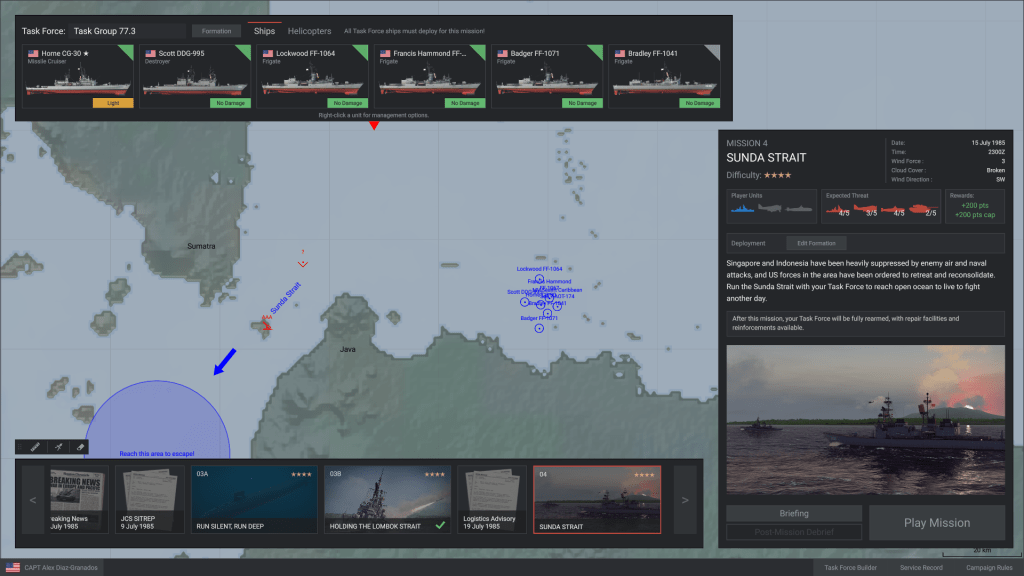
Rear Admiral (Lower Half) Alex Diaz-Granados — promoted on arrival, a rare mid‑campaign elevation — put it more simply: “We were supposed to run the strait. Instead, we cleared it.”
A Narrow Sea, A Wider War
The Sunda Strait, a 15‑mile-wide passage between Java and Sumatra, has always been a chokepoint. In peacetime, it is a corridor for tankers, freighters, and fishing boats. In wartime, it is a funnel — one that can trap a task group as easily as it can guide it.
For weeks, Pact forces have pressed southward, using Soviet basing rights in India and political paralysis in Indonesia to create a corridor of influence stretching from Cam Ranh Bay to the Indian Ocean. American planners feared that if the strait fell completely under Pact control, Australia’s northern approaches would be exposed.
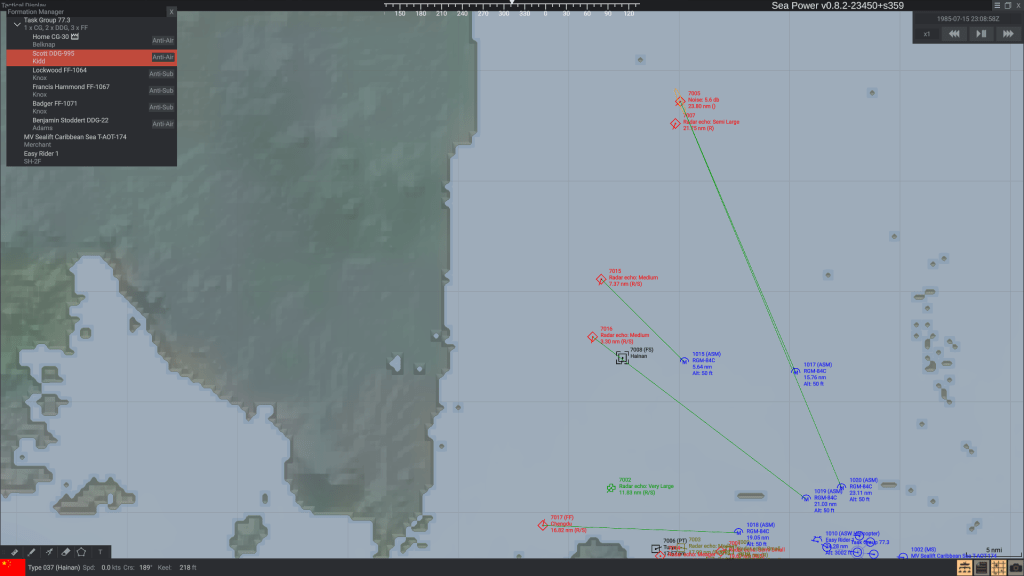
That fear became reality when TG‑77.3 was ordered to withdraw through the strait under pressure. What followed was a running fight that lasted nearly 36 hours.
A Gauntlet of Steel
The ships of TG‑77.3 — the cruiser Horne, the destroyers Kidd and Benjamin Stoddert, and three Knox‑class frigates — faced a patchwork of Pact vessels: missile boats, coastal patrol craft, diesel submarines, and the occasional heavyweight destroyer. The battle was less a single engagement than a series of collisions, each one testing the group’s cohesion.
“We were never out of contact,” said Lt. Cmdr. Paul Hensley, operations officer aboard Horne. “Every time we cleared one threat, another lit up the scope.”

By the end, the tally was stark: a Jianghu II, a Chengdu, a Luda, a Kashin, a Krivak II, two Turya hydrofoils, two P‑6 boats, a Foxtrot, a Kilo, and a handful of coastal batteries and missile sites. The Americans lost only one helicopter.
The numbers tell one story. The faces of the crew tell another.
The Human Cost
On the pier in Darwin, sailors moved with the slow, deliberate motions of men who have not slept properly in days. Some carried bandages. Others carried the weight of what they had seen.
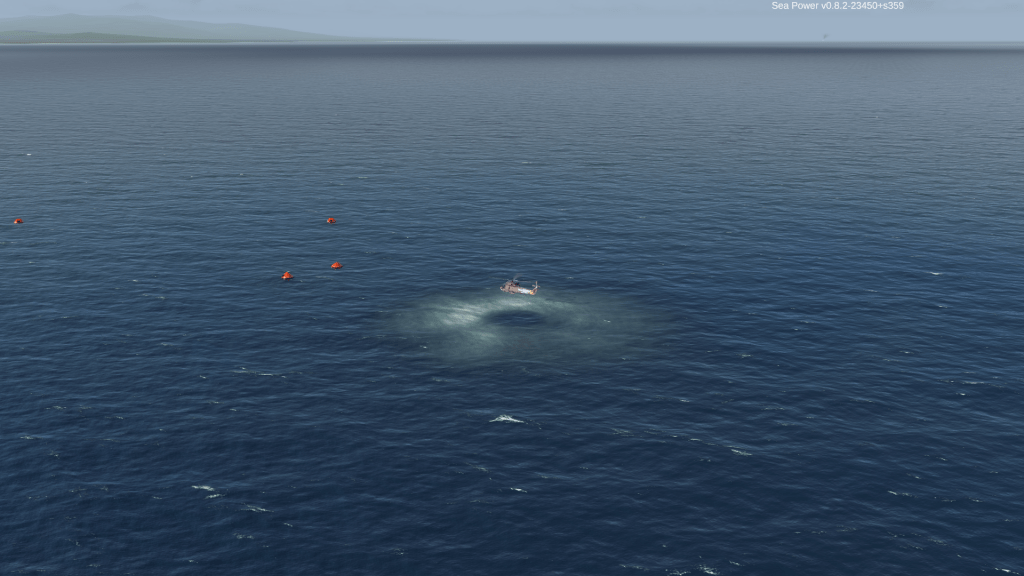
“We pulled 32 survivors out of the water,” said Ensign Michael Torres. “Some of them were ours. Some weren’t. You don’t think about the flag when you’re hauling someone up a net.”
The Navy has not released casualty figures, but officials confirm that the task group suffered “light to moderate personnel losses.” In the language of war, that is considered fortunate.
A Promotion in the Middle of a Storm
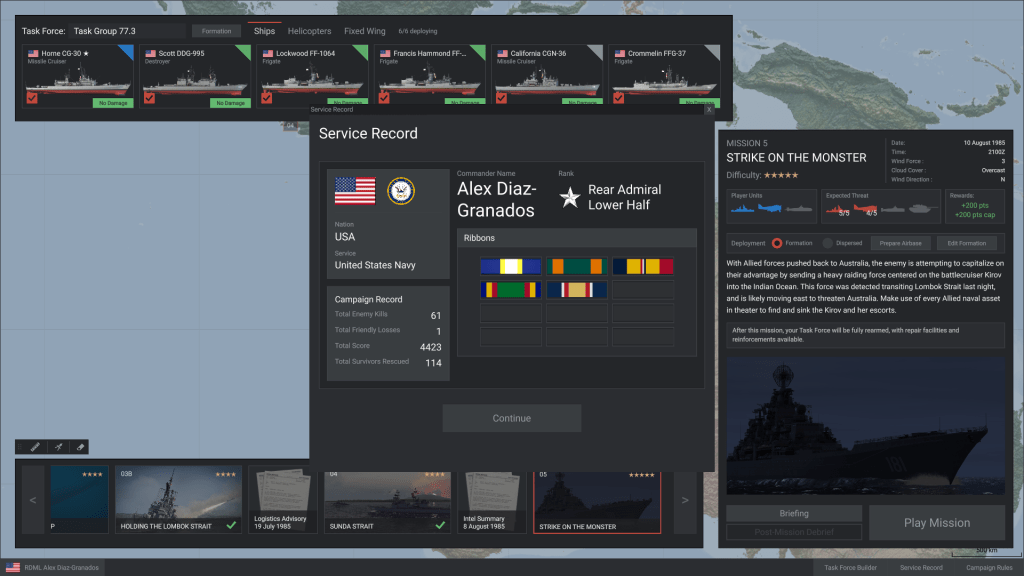
Rear Admiral Diaz-Granados’ promotion — from captain to flag rank — came as a surprise even to officers within the task group. Promotions of this kind usually come at the end of a war, not in the middle of one.
But senior Navy officials say the decision reflects the scale of the victory and the strategic importance of the strait.
“Diaz-Granados didn’t just save his ships,” said one official in Pearl Harbor. “He preserved the northern approaches to Australia. He kept the corridor open. That matters.”
What Comes Next
TG‑77.3 will not remain in Darwin long. Repairs are underway. Reinforcements — including a nuclear-powered cruiser and additional air assets — are being quietly assembled. The next mission, sources say, will take the task group northward again, toward a Soviet battle group centered around the missile cruiser Kirov.
If the Sunda Strait was a gauntlet, the next fight may be a reckoning.
For now, though, Darwin breathes easier. The ships are battered, but afloat. The men are exhausted, but alive. And the strait — narrow, treacherous, and suddenly famous — is once again open water.
 A Certain Point of View, Too
Share your thoughts with the world!